

Coriander seeds are a key ingredient in garam masala and offer a range of health benefits. They are rich in dietary fiber, iron, and magnesium, and are also known for their anti-inflammatory and digestive properties.
This article highlights the health benefits of coriander seeds and simple ways to incorporate them into your daily diet.
What are coriander seeds?
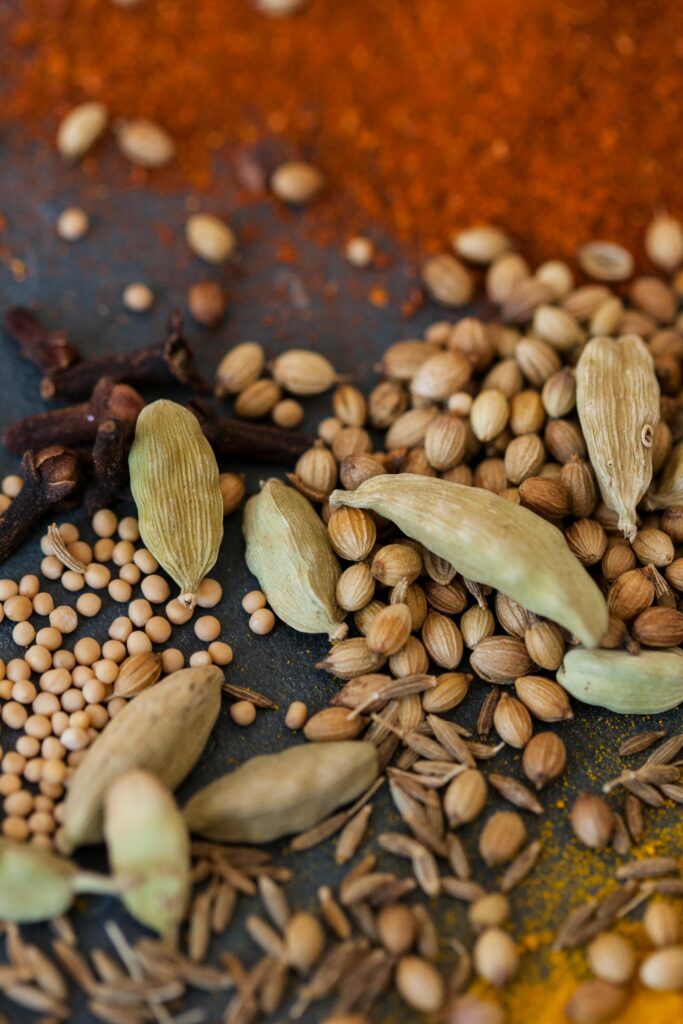
Coriander (Dhania in India) seeds come from the Coriandrum sativum plant. While the plant’s fresh leaves are called cilantro, its dried seeds are known as coriander seeds. The seeds are small, round, and typically light brown, with a slightly ridged surface.
When crushed or ground, they release a warm, citrusy aroma that is slightly nutty. The flavor contrasts with the fresh leaves of the plant (commonly known as cilantro), which are known for their bright, pungent taste.
Coriander seeds: Nutrition facts
Coriander seeds boast several health benefits ranging from weight loss support to disease prevention. According to the USDA, 100 grams of coriander seeds provide the following key nutrients:
- Calories: 298 kcal
- Carbohydrates: 55 g
- Protein: 12.4 g
- Fat: 17.8 g
- Fiber: 41.9 g
- Vitamin A: 310 IU
- Vitamin C: 21 mg
- Calcium: 709 mg
- Iron: 16.32 mg
- Magnesium: 330 mg
- Phosphorus: 409 mg
- Potassium: 1,267 mg
Additionally, coriander seeds contain smaller amounts of vitamins like Vitamin B1 (20% DV), Vitamin B2 (22% DV), and Vitamin B3 (13% DV), further contributing to their health benefits.
Top 7 Health benefits of coriander seeds
1. Rich in antioxidants
Coriander seeds are packed with powerful antioxidants like quercetin and linalool, which help neutralize harmful free radicals in the body. These antioxidants can reduce oxidative stress, a key factor in aging and many chronic diseases.
Regular consumption of coriander seeds may help lower the risk of heart disease, certain cancers, and even neurodegenerative disorders like Alzheimer’s.
2. May help manage blood sugar levels
One of the most well-researched benefits of coriander seeds is their ability to regulate blood sugar levels. Animal studies have indicated that coriander seeds increase insulin secretion and improve blood sugar control, making them beneficial for diabetic patients.
While human studies are still limited, there is growing evidence that coriander seeds may play a role in controlling glucose levels in humans as well.
3. Promotes healthy digestion
Coriander seeds are well known for their ability to promote digestive health. They help stimulate the production of digestive enzymes, which help break down food more effectively and absorb nutrients.
Drinking coriander seed water or consuming the seeds directly can relieve symptoms of indigestion, bloating, and gas.
- Also read: Benefits of Dates For Constipation
4. Helps reduce joint pain
Essential oils from coriander seeds contain compounds like cineole and linoleic acid, which have anti-inflammatory properties. These compounds help reduce inflammation, which is particularly useful for conditions like arthritis.
Coriander seeds have also been used as a natural remedy to reduce pain and swelling, offering relief from joint pain and headaches.
5. May help prevent cardiovascular diseases
One of the most well-documented benefits of coriander seeds is their positive impact on heart health. Coriander seeds can help lower bad LDL cholesterol levels while raising good HDL cholesterol levels.
This helps to maintain a healthier balance of lipids in the bloodstream, reducing the risk of cardiovascular diseases. Additionally, their anti-inflammatory and antioxidant effects further contribute to maintaining healthy blood vessels.
6. Supports weight loss
Many people consume coriander seeds as part of detox water or teas due to their diuretic properties, which help flush out excess water from the body. This can lead to temporary weight loss by reducing water retention.
Additionally, coriander seeds may help boost metabolism, making them a valuable addition to a weight loss regimen.
- See also: Benefits of Fenugreek
7. May boost skin health
The antibacterial and antioxidant properties of coriander seeds can work wonders for your skin. These seeds are often used in natural remedies to treat acne, eczema, and other skin irritations.
Applying coriander seed-infused oil or water to the skin can help clear blemishes and promote a smoother complexion.
How to use coriander seeds
Incorporating coriander seeds into your diet is easy, and there are several ways to do it:
1. Coriander seed tea
One of the simplest ways to enjoy coriander seeds is by making tea. Simply crush a teaspoon of seeds and steep them in hot water for 5-10 minutes. This tea can aid digestion and boost overall health.
2. Coriander seed water
Soaking coriander seeds in water overnight and drinking the water in the morning is a popular detox method. This is especially effective for improving digestion and reducing bloating.
3. Spice blends
Coriander seeds are a staple in spice blends like garam masala, curry powder, and pickling spices. You can add ground coriander to soups, curries, and marinades for a rich, citrusy flavor.
4. Salads and dressings
Lightly toasted coriander seeds add a nutty, crunchy texture to salads. You can also grind the seeds and mix them into salad dressings for an extra flavor.
5. Baking and cooking
Coriander seeds pair well with bread recipes, roasted vegetables, and meat dishes. They enhance the flavors of stews and braised dishes, giving them a more complex taste.
6. Coriander oil
Coriander seed oil can be used in aromatherapy or as a topical treatment for skin conditions.
Who should not take coriander seeds (Dhania)?
While coriander seeds are generally safe for most people, some individuals should be cautious:
- People with allergies: If you’re allergic to herbs like fennel, cumin, or dill, then it’s best to avoid taking coriander as they belong to the same plant family. Symptoms might include skin rashes, swelling, or respiratory issues.
- Pregnant women: While moderate consumption is generally safe, large amounts of coriander seeds may stimulate the uterus, potentially leading to complications. Always consult a healthcare provider before incorporating large quantities into the diet.
- People with low blood pressure: Since coriander seeds can help lower blood pressure, individuals with hypotension or those on blood pressure medication should monitor their intake and consult a doctor.
- Diabetics on medication: Coriander seeds can lower blood sugar levels, so individuals taking diabetes medication should consult their healthcare provider to avoid blood sugar levels dropping too low.
Frequently Asked Questions
Are coriander seeds good for periods?
Yes, coriander seeds can be beneficial for women during menstruation. The seeds have anti-inflammatory and antispasmodic properties that help reduce cramps and abdominal discomfort associated with menstruation.
What are the benefits of soaking coriander seeds overnight?
Soaking coriander seeds overnight and drinking the water in the morning is a popular health practice. It helps flush out toxins from the body, supporting kidney function and improving skin health.
- Also read: Benefits of Overnight Oats
Can I drink coriander water on an empty stomach?
Yes, drinking coriander water on an empty stomach is considered one of the best times to consume it. Boil 1-2 teaspoons of coriander seeds in a cup of water for 5-10 minutes. Let it cool down, strain, and drink it first thing in the morning.
Wrapping up
Coriander seeds may be small, but their health benefits are far-reaching. They have a rich antioxidant content, with proven benefits for improving digestion and heart health. You can use it as teas, dressings, coriander seed water, spice blends, or simple meal additions.