
Eating healthy does not have to drain your wallet. In fact, some of the most nutritious foods available at any grocery store in America are also among the cheapest. The problem is that most people assume a healthy diet means expensive superfoods, specialty products, or organic everything. That assumption is costing you money and making healthy eating feel harder than it needs to be.
This article gives you a practical, science-backed list of the 19 cheapest healthy foods you should always have at home. For each one, you will find the approximate cost, how long it keeps, the key nutrients it delivers, and a simple meal idea to put it to use.
Stock these 19 foods consistently and you will have everything you need to build balanced, satisfying meals every single day without overspending.
Why Stocking These Foods Makes Financial and Health Sense
Most people think about food costs the wrong way. They look at the price on the shelf instead of the cost per serving. A two-dollar can of beans provides six servings. That is about 33 cents per serving of high-fiber, high-protein food. Compare that to a bag of chips or a frozen dinner, and the math becomes very clear.
Beyond cost, there is another reason to keep these foods at home permanently. When your pantry, fridge, and freezer are stocked with nutritious staples, you are far less likely to reach for fast food or expensive convenience meals on a busy night. These 19 foods reduce food waste, cut your grocery bill, and make healthy eating your default rather than your goal.
Some of the most nutrient-dense foods on earth cost under two dollars. You do not need to spend more to eat better.
A Quick Note on Prices
The prices mentioned throughout this article are approximate US averages based on standard grocery store pricing. Costs will vary depending on your region, the store you shop at, and whether you buy name-brand or store-brand products.
In most cases, store-brand versions of these foods cost even less with zero difference in nutritional value. Frozen and canned options are also included on this list and are just as nutritious as their fresh counterparts, sometimes more so.
The 19 Cheapest Healthy Foods You Should Always Have at Home
The list below is organized into five categories: proteins, grains and starches, produce, dairy, and pantry staples. This grouping makes it easier to shop and to build complete meals using items from each category.
Proteins
1. Eggs
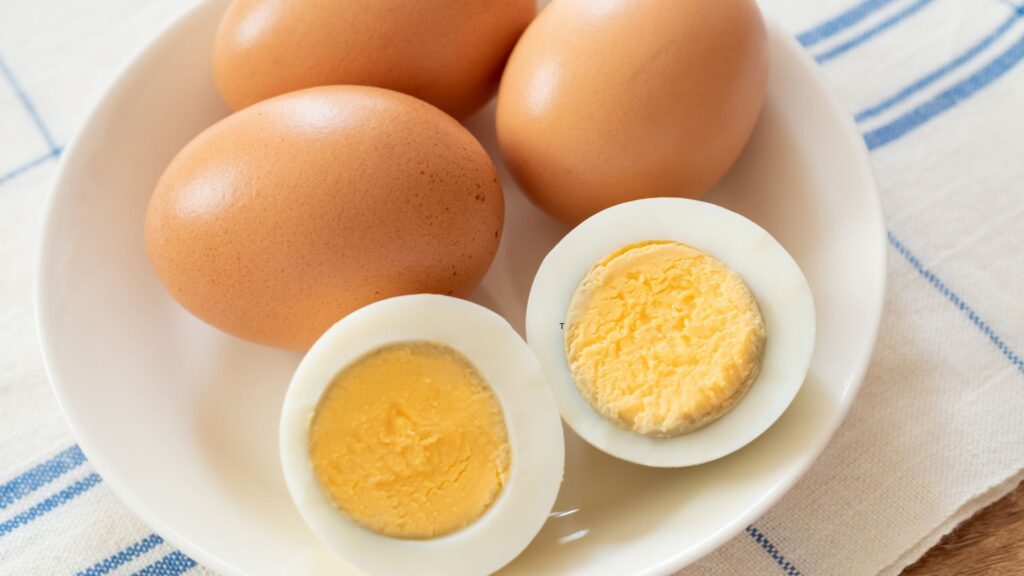
Approximate cost: $0.25 to $0.40 per egg, depending on the carton
Eggs are one of the most complete foods you can buy at any price. Each egg contains all nine essential amino acids, making them a complete protein source. They also deliver choline, a nutrient that supports brain function and is often under-consumed in the American diet. Eggs work for every meal of the day and take fewer than five minutes to cook in most preparations.
Key nutrients: complete protein, vitamin D, choline, vitamin B12, healthy fats
Shelf life: three to five weeks refrigerated in their original carton
Simple meal idea: vegetable scramble with frozen spinach and canned tomatoes, or egg fried rice using leftover brown rice
2. Canned Tuna
Approximate cost: $1.00 to $1.50 per can
Canned tuna delivers more protein per dollar than almost any other food in the store. A single can provides around 25 grams of protein with very little fat and zero preparation required. It also supplies omega-3 fatty acids, which support heart health and reduce inflammation. Opt for tuna packed in water rather than oil to keep calories in check.
Key nutrients: lean protein, omega-3 fatty acids, selenium, vitamin D
Shelf life: two to five years unopened in the pantry
Simple meal idea: tuna mixed with plain Greek yogurt, lemon juice, and mustard served over whole grain crackers or in a lettuce wrap
3. Dried or Canned Lentils
Approximate cost: Under $2.00 per pound dry, or around $1.50 per can
Lentils are one of the best plant-based protein sources available, and unlike most dried legumes, they require no soaking and cook in about 20 minutes. One cup of cooked lentils provides about 18 grams of protein and 16 grams of fiber. A 2023 research published in the NMCD confirms that regular legume consumption is associated with better heart health, improved blood sugar control, and reduced risk of type 2 diabetes.
Key nutrients: plant protein, iron, folate, fiber, potassium
Shelf life: two to three years in a sealed container for dried; two to five years canned
Simple meal idea: lentil soup with canned tomatoes and garlic, or lentil tacos seasoned with cumin and served with shredded cabbage
4. Canned or Dried Beans
Approximate cost: Under $2.00 per can, or $1.50 to $2.00 per pound dried
Black beans, pinto beans, and chickpeas are among the most versatile and affordable foods you can keep in your kitchen. They are loaded with fiber and plant protein, and dried beans can last up to ten years in sealed storage, making them one of the most cost-efficient foods on earth. Combined with rice, beans form a nutritionally complete meal containing all essential amino acids.
Key nutrients: fiber, plant protein, potassium, iron, folate
Shelf life: two to five years canned; up to ten years dried and sealed
Simple meal idea: black bean and rice bowl with salsa and Greek yogurt, or chickpea stir-fry with garlic, olive oil, and frozen broccoli
5. Peanut Butter
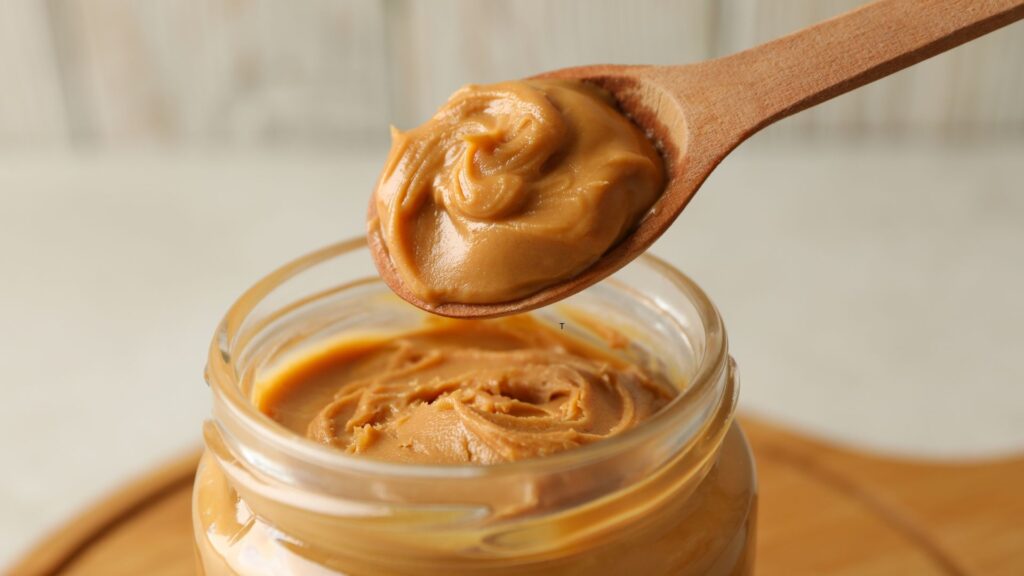
Approximate cost: $2.50 to $3.50 for a jar with around 15 servings
Natural peanut butter, meaning the kind with only peanuts and salt on the ingredient list, is one of the best sources of healthy fats and plant-based protein at this price point. It is shelf-stable, calorie-dense in the most useful way, and works in both sweet and savory applications. Look for versions without added hydrogenated oils or sugar.
Key nutrients: healthy monounsaturated fats, protein, magnesium, vitamin E, niacin
Shelf life: up to one year unopened in the pantry, one to three months once opened
Simple meal idea: peanut butter stirred into oatmeal with sliced banana, or used as the base for a savory peanut noodle sauce with garlic and a splash of soy sauce
Grains and Starches
6. Brown Rice
Approximate cost: Under $2.00 per pound, providing about 10 servings
Brown rice contains more fiber, vitamins, and minerals than white rice because the bran and germ layers are left intact. It is one of the most reliable meal bases in budget cooking and pairs well with proteins and vegetables from every other category on this list. It stores well and keeps you full for hours.
Key nutrients: fiber, manganese, magnesium, B vitamins, complex carbohydrates
Shelf life: up to 18 months in a cool, dry, sealed container
Simple meal idea: rice and bean bowls with whatever vegetables you have on hand, or rice porridge cooked with oats, cinnamon, and sliced apple
7. Rolled Oats
Approximate cost: Around $2.00 to $3.00 for a large canister with 30 or more servings
Old-fashioned rolled oats are nutritionally exceptional for the price. They contain beta-glucan, a type of soluble fiber shown in multiple clinical studies to lower LDL cholesterol and help regulate blood sugar. The American Heart Association recognizes oats as a heart-healthy food. They are filling, incredibly versatile, and cost pennies per serving.
Key nutrients: soluble fiber (beta-glucan), manganese, phosphorus, protein, iron
Shelf life: one to two years in a sealed container in a cool, dry place
Simple meal idea: overnight oats with banana and peanut butter, or savory oatmeal with a soft-boiled egg and shredded cabbage
8. Whole Wheat Pasta
Approximate cost: Around $2.00 per one-pound box providing 4 to 5 servings
Whole wheat pasta provides more fiber and a lower glycemic response than regular white pasta, meaning it raises your blood sugar more slowly and keeps you full longer. The price difference between whole wheat and regular pasta is minimal, but the nutritional upgrade is significant.
Key nutrients: complex carbohydrates, fiber, iron, B vitamins, protein
Shelf life: one to two years dried
Simple meal idea: pasta with canned tomatoes, white beans, garlic, and a drizzle of olive oil, finished with a handful of frozen spinach stirred in at the end
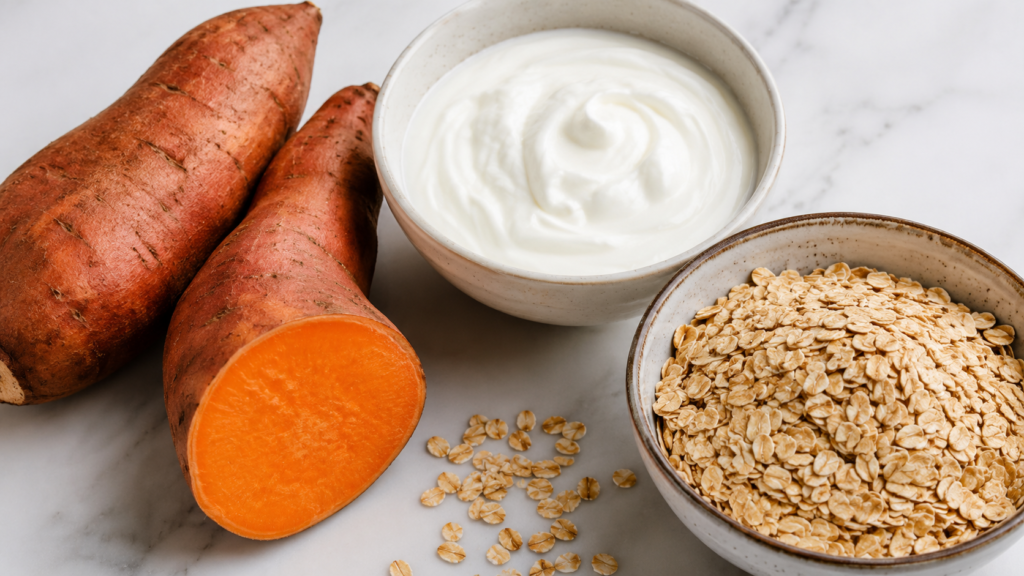
9. Sweet Potatoes

Approximate cost: $1.00 to $2.00 per pound
Sweet potatoes are among the most nutrient-dense vegetables in the produce section, and they cost very little. A single medium sweet potato provides more than 100 percent of your daily recommended intake of vitamin A in the form of beta-carotene. They also store well outside of the refrigerator, making them convenient as well as affordable.
Key nutrients: beta-carotene (vitamin A), vitamin C, potassium, fiber, manganese
Shelf life: two to three weeks in a cool, dark, dry place
Simple meal idea: baked sweet potato topped with black beans, salsa, and Greek yogurt, or cubed and roasted with garlic and olive oil as a simple side
Produce
10. Bananas

Approximate cost: Around $0.20 to $0.30 per banana
Bananas are consistently the cheapest fruit per pound at virtually every grocery store in America, regardless of the season. They are portable, require no preparation, and deliver a quick burst of natural energy from their combination of simple and complex carbohydrates. They are also one of the best dietary sources of potassium, a mineral most Americans do not get enough of.
Key nutrients: potassium, vitamin B6, vitamin C, magnesium, natural sugars for quick energy
Shelf life: ripen at room temperature in three to seven days; freeze overripe bananas and use them in smoothies or baking
Simple meal idea: sliced over oatmeal, blended into a smoothie with peanut butter and oats, or frozen and blended alone for a one-ingredient nice cream
11. Cabbage
Approximate cost: Under $1.00 per head, often less
Cabbage is one of the most underestimated vegetables in the American grocery store. A single head costs less than a dollar and can last up to two months in the refrigerator, longer than almost any other fresh vegetable. It is rich in vitamin C, vitamin K, and glucosinolates, plant compounds that have been studied for their potential role in reducing cancer risk.
Key nutrients: vitamin C, vitamin K, folate, fiber, antioxidants
Shelf life: one to two months whole, refrigerated
Simple meal idea: quick slaw with apple cider vinegar and a pinch of sugar, stir-fried with garlic and soy sauce, or added to lentil soup for texture and nutrition
12. Carrots
Approximate cost: Around $1.00 to $1.50 for a two-pound bag
Carrots are reliably inexpensive year-round, especially when purchased in bulk bags. They are one of the richest dietary sources of beta-carotene, the precursor to vitamin A that supports immune function and eye health. They are also crunchy, portable, and satisfying raw, which makes them one of the best low-effort snack options on this list.
Key nutrients: beta-carotene, vitamin K1, potassium, fiber, biotin
Shelf life: three to four weeks refrigerated in their original bag
Simple meal idea: raw with peanut butter as a snack, roasted with olive oil and garlic as a side, or blended into a simple carrot ginger soup with canned tomatoes
13. Frozen Spinach or Broccoli
Approximate cost: $1.50 to $2.50 per bag providing multiple servings
This entry addresses something most budget food articles get wrong. Frozen vegetables are not a compromise. Research has shown that frozen vegetables often retain as many or more nutrients as their fresh counterparts because they are frozen within hours of being harvested, locking in vitamins and minerals at peak freshness. A bag of frozen spinach or broccoli costs around two dollars and keeps for nearly a year in your freezer.
Key nutrients: iron, calcium, vitamin K, vitamin C, folate, fiber
Shelf life: eight to twelve months frozen
Simple meal idea: frozen spinach stirred into scrambled eggs, pasta sauce, or soup; frozen broccoli roasted from frozen at high heat with olive oil and garlic
14. Apples
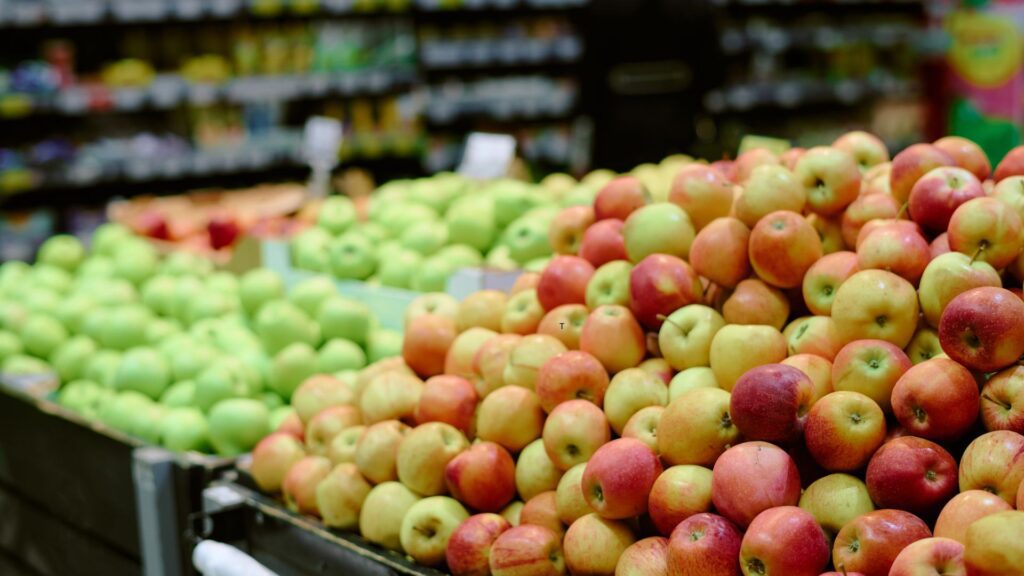
Approximate cost: Around $1.50 to $2.00 per pound
Apples are one of the few fruits that stay affordable year-round and store remarkably well. The pectin in apples is a type of soluble fiber that feeds beneficial gut bacteria and helps regulate cholesterol levels. The saying about an apple a day is not just folklore — research does support regular apple consumption for cardiovascular and digestive health.
Key nutrients: fiber (pectin), vitamin C, quercetin, potassium
Shelf life: four to six weeks refrigerated, one to two weeks at room temperature
Simple meal idea: sliced with peanut butter, chopped into oatmeal with cinnamon, or baked with a sprinkle of brown sugar and oats for a simple healthy dessert
Dairy
15. Plain Greek Yogurt
Approximate cost: $3.00 to $5.00 for a large 32-ounce container
Plain Greek yogurt contains roughly twice the protein of regular yogurt because of the straining process that removes excess liquid. It is also a natural source of probiotics, live bacterial cultures that support gut health. Buying plain rather than flavored saves money and eliminates the added sugar that makes many flavored yogurts closer to dessert than health food.
Key nutrients: protein, calcium, probiotics, vitamin B12, phosphorus
Shelf life: one to three weeks refrigerated after opening
Simple meal idea: topped with oats, banana, and a drizzle of peanut butter; used as a sour cream substitute on tacos; or blended into smoothies for a protein boost
16. Cottage Cheese
Approximate cost: Around $3.00 to $4.00 for a large tub
Cottage cheese is one of the highest-protein dairy foods available and is still widely underrated outside of fitness communities. It is rich in casein protein, a slow-digesting form of protein that helps keep you full and supports muscle repair overnight. It works in both sweet and savory dishes, which makes it more versatile than most people realize.
Key nutrients: casein protein, calcium, selenium, phosphorus, riboflavin
Shelf life: one to two weeks after opening, refrigerated
Simple meal idea: mixed with fresh or frozen fruit and a drizzle of honey, layered into pasta dishes in place of ricotta, or eaten with whole grain crackers as a high-protein snack
Pantry Staples
17. Canned Tomatoes
Approximate cost: Under $2.00 per 28-ounce can
Canned tomatoes are the backbone of hundreds of healthy, affordable meals and they deserve a permanent spot in your pantry. Here is something worth knowing: canned tomatoes are actually higher in lycopene than fresh tomatoes.
Lycopene is an antioxidant linked to reduced risk of heart disease and certain cancers, and cooking and processing tomatoes increases the bioavailability of this compound significantly, according to research.
Key nutrients: lycopene, vitamin C, potassium, folate, vitamin K
Shelf life: two to five years canned and unopened
Simple meal idea: base for pasta sauce, shakshuka with eggs, braised beans with garlic, or a quick tomato soup with olive oil and dried herbs
18. Olive Oil
Approximate cost: $8.00 to $12.00 for a standard bottle lasting several months
Olive oil is the most expensive item on this list but a little goes a long way and a single bottle lasts for months with everyday cooking. It is one of the most thoroughly researched foods in nutrition science, with the Mediterranean diet evidence base demonstrating consistent benefits for heart health, inflammation reduction, and longevity. Extra virgin olive oil is the best option, as it retains the most polyphenols and antioxidants.
Key nutrients: monounsaturated fats (oleic acid), vitamin E, polyphenols, antioxidants
Shelf life: up to two years unopened; best used within one year of opening
Simple meal idea: used as the base fat for sautéing garlic, vegetables, and beans; drizzled over cooked grains; or whisked with lemon juice as a simple salad dressing
19. Garlic
Approximate cost: Under $1.00 per head with many cloves per head
Fresh garlic costs almost nothing per clove and does more for the flavor of budget cooking than nearly any other ingredient. More importantly, garlic contains allicin, a sulfur compound produced when garlic is chopped or crushed that has demonstrated antimicrobial, anti-inflammatory, and cardiovascular benefits in clinical research. Using garlic liberally means you need fewer expensive sauces and seasonings to make meals taste good.
Key nutrients: allicin, manganese, vitamin B6, vitamin C, selenium
Shelf life: three to five months whole, unpeeled, stored in a cool dry place
Simple meal idea: the flavor base for virtually every savory recipe on this list, from beans and grains to stir-fries and soups
How to Build Meals Around These 19 Foods
With these 19 staples in your kitchen, you can build a healthy meal at any time without a recipe. Here are three simple frameworks that use items from the list above.
The grain bowl formula works like this: start with a base of brown rice or whole wheat pasta, add a protein such as eggs, beans, lentils, or canned tuna, layer on a vegetable from the produce section or your freezer, and finish with a drizzle of olive oil or a spoonful of peanut sauce. This one formula alone can produce dozens of different meals.
The soup formula is just as simple. Start with olive oil and garlic in a pot, add canned tomatoes and broth, stir in beans or lentils, toss in a handful of frozen spinach or broccoli, and season with whatever dried herbs you have. A full pot of nutritious soup costs around three to four dollars total.
The breakfast formula requires almost no thought. Oats plus a banana plus peanut butter gives you a breakfast with complex carbohydrates, healthy fat, and enough protein to carry you through the morning. Alternatively, two eggs scrambled with frozen spinach and served with a piece of fruit covers all your nutritional bases before 8am for under one dollar.
Smart Shopping Tips to Stretch Your Budget Even Further
Buying the right foods is only half the equation. How you shop matters just as much.
Always check the unit price rather than the package price. A larger bag of brown rice almost always costs less per ounce than a smaller one. Store-brand versions of every pantry staple on this list are nutritionally identical to name brands and consistently cheaper.
Shop the freezer aisle without guilt. Frozen vegetables and fruits are not a compromise. They are often more nutritious than fresh produce that has spent days in transit, because the USDA recognizes frozen produce as nutritionally equivalent to fresh.
Buy dried beans and lentils instead of canned when you have the time. One pound of dried black beans costs around $1.50 and produces the equivalent of three to four cans after cooking. All it takes is water, a pot, and about an hour of mostly hands-off time.
Buy in bulk for the items you use most. Brown rice, oats, and peanut butter in larger quantities cost considerably less per serving than smaller packages.
Your Simple Weekly Grocery Checklist
Here is a straightforward grouping of all 19 foods to take with you on your next grocery run.
- Proteins: eggs, canned tuna, dried or canned lentils, canned or dried beans, peanut butter.
- Grains and starches: brown rice, rolled oats, whole wheat pasta, sweet potatoes.
- Produce: bananas, cabbage, carrots, frozen spinach or broccoli, apples, frozen fruit.
- Dairy: plain Greek yogurt, cottage cheese.
- Pantry staples: canned tomatoes, olive oil, garlic.
These 19 foods cover every nutritional base you need: protein for muscle and satiety, fiber for digestive and heart health, healthy fats for brain and hormonal function, and a full range of vitamins and minerals. The average weekly cost to keep these stocked, accounting for the fact that many items last multiple weeks, is typically between $40 and $60 depending on your household size and local prices.
Wrapping Up
You do not need an expensive diet to eat well. The 19 foods on this list prove that good nutrition and a tight budget are completely compatible. These are not compromise foods. They are among the most well-researched, nutrient-dense, and health-promoting foods available, and they happen to cost very little.
When these foods are a permanent part of your kitchen rather than occasional purchases, healthy eating stops being a decision you have to make every day and starts being the natural result of what is already available to you.
Start small if you need to. Pick five or six of these on your next grocery run, build a few meals around them, and add more over time. Your grocery bill will go down, your nutrition will improve, and the idea that healthy eating is too expensive will stop making sense entirely.