
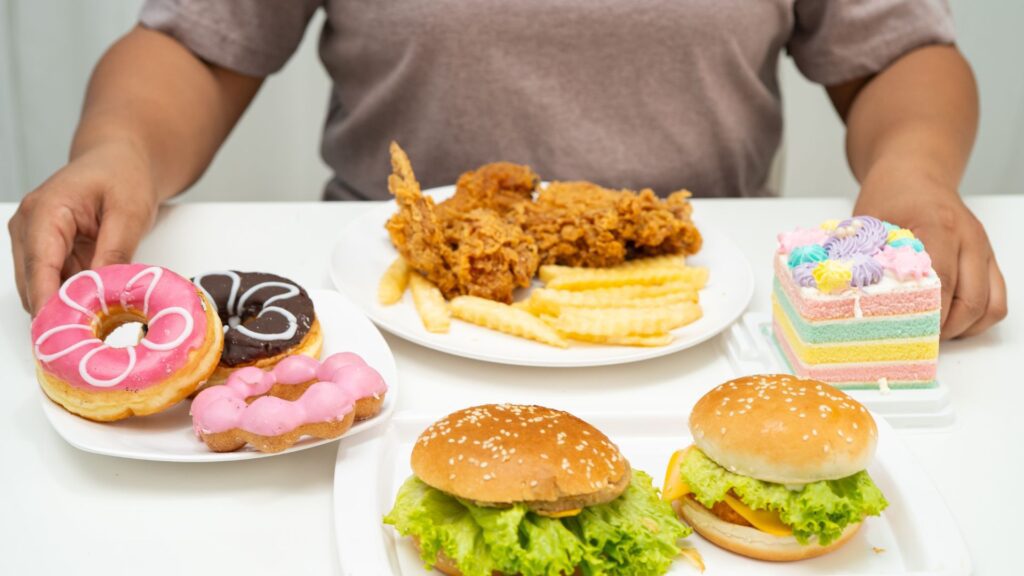
High blood pressure often develops quietly. You may feel fine while your numbers slowly rise because of hidden triggers in your daily diet. Some foods that seem harmless can actually contain ingredients that make it harder for your body to maintain healthy blood pressure levels.
This article highlights ten common foods that can raise your blood pressure without you realizing it. You’ll learn why they have this effect, what to watch for on labels, and healthier alternatives you can enjoy instead.
Table of Contents
Toggle1. Canned Soups
Canned soups are quick and convenient, but they often pack a heavy sodium load. Just one serving can contain more than half of your recommended daily salt intake. Sodium increases water retention, which puts extra pressure on your blood vessel walls.
If you rely on soups for easy meals:
- Choose low-sodium versions.
- Add fresh vegetables and herbs to boost flavor naturally.
- Avoid using the entire seasoning packet if it comes with one.
Even “healthy” soup options can contain hidden salt, so always check the nutrition label.
2. Processed Meats
Cold cuts, bacon, sausage, and hot dogs are all high in sodium and preservatives. These foods are often cured with salt and nitrates, both of which can contribute to higher blood pressure.
Frequent consumption of processed meats can:
- Increase fluid retention.
- Raise the risk of heart disease over time.
- Reduce the effectiveness of blood pressure medications.
Try switching to lean, unprocessed protein sources such as fresh chicken, fish, or beans.
3. Pickles and Fermented Vegetables
Pickles and other preserved vegetables are high in sodium because salt is essential to the fermentation process. A few pieces can contain hundreds of milligrams of sodium.
If you love tangy flavors:
- Make your own pickles using less salt.
- Rinse store-bought pickles before eating to remove some of the sodium.
- Limit portion sizes to keep sodium intake under control.
4. Bread and Bakery Products
Bread doesn’t taste salty, but many commercial loaves contain enough sodium to affect your daily intake. When you eat multiple slices throughout the day, the numbers add up quickly.
Even items like bagels, muffins, and biscuits can contain more sodium than you might expect. To reduce the impact:
- Choose whole-grain breads labeled “low sodium.”
- Bake at home where you can control the ingredients.
- Check the serving size carefully—often it’s smaller than what most people eat.
5. Frozen Meals
Frozen dinners and snacks are convenient but often come loaded with sodium to preserve flavor and extend shelf life. Many contain over 1,000 mg of sodium per serving, making them a hidden risk for people managing blood pressure.
If you rely on frozen meals:
- Look for options under 600 mg of sodium.
- Add fresh or frozen vegetables without sauces to balance your meal.
- Avoid extra condiments like soy sauce or cheese toppings.
Cooking large batches of homemade meals and freezing portions can also help you control salt levels while saving time.
6. Cheese
Cheese adds flavor and texture to meals, but most varieties are naturally high in sodium and saturated fat. Both can contribute to increased blood pressure if consumed regularly.
Some types, like feta, processed slices, and Parmesan, are particularly salty. If you want to enjoy cheese without raising your blood pressure:
- Use smaller portions.
- Opt for low-sodium or fresh cheeses like mozzarella or ricotta.
- Pair with fresh vegetables or whole grains to balance your meal.
7. Coffee and Energy Drinks
Caffeine temporarily raises blood pressure by stimulating the nervous system. While moderate coffee consumption may be safe for many people, excessive intake can cause spikes—especially if you’re sensitive to caffeine.
Energy drinks pose an even greater risk because they often contain high caffeine levels plus added sugars and stimulants. To protect your blood pressure:
- Limit coffee to 1–2 cups per day.
- Avoid energy drinks altogether.
- Choose herbal teas or decaf alternatives when possible.
8. Condiments and Sauces
Ketchup, soy sauce, salad dressings, and barbecue sauces often contain large amounts of sodium and added sugar. Even small servings can significantly raise your daily intake.
If you’re trying to manage blood pressure:
- Choose low-sodium condiments.
- Use herbs, lemon juice, or vinegar for flavor instead.
- Make your own dressings at home to control salt and sugar levels.
9. Snack Foods
Chips, crackers, and popcorn are common culprits when it comes to hidden sodium. Even snacks labeled “light” or “baked” can be salty enough to raise blood pressure if eaten often.
To snack smarter:
- Choose unsalted nuts or air-popped popcorn.
- Read labels and compare sodium content.
- Limit portion sizes to avoid overeating.
Remember, the salt in snacks isn’t just on the surface, it’s often mixed into the dough or seasoning.
10. Alcohol
Alcohol affects blood pressure in multiple ways. Drinking too much can raise blood pressure by constricting blood vessels and affecting hormones that regulate fluid balance.
Regular heavy drinking can also reduce the effectiveness of blood pressure medication. If you drink:
- Keep it moderate (up to one drink per day for women, two for men).
- Avoid binge drinking.
- Pair alcohol with food and drink plenty of water.
Reducing alcohol can have a noticeable effect on blood pressure readings within weeks.
Frequently Asked Questions
Can I eat these foods occasionally if I have high blood pressure?
Yes. Eating them occasionally is fine as long as your overall sodium and caffeine intake stays within recommended limits.
What is the ideal daily sodium intake?
Most health experts recommend keeping sodium intake under 2,300 mg per day, and ideally closer to 1,500 mg for people with high blood pressure.
Are all canned foods bad for blood pressure?
Not necessarily. Look for “no salt added” or “low-sodium” options and rinse canned beans or vegetables before use.
Does potassium help lower blood pressure?
Yes. Foods rich in potassium, like bananas, spinach, and sweet potatoes, help balance sodium levels and support heart health.
How can I make food taste good without salt?
Use herbs, spices, citrus juice, vinegar, or garlic to enhance flavor naturally without increasing sodium.