
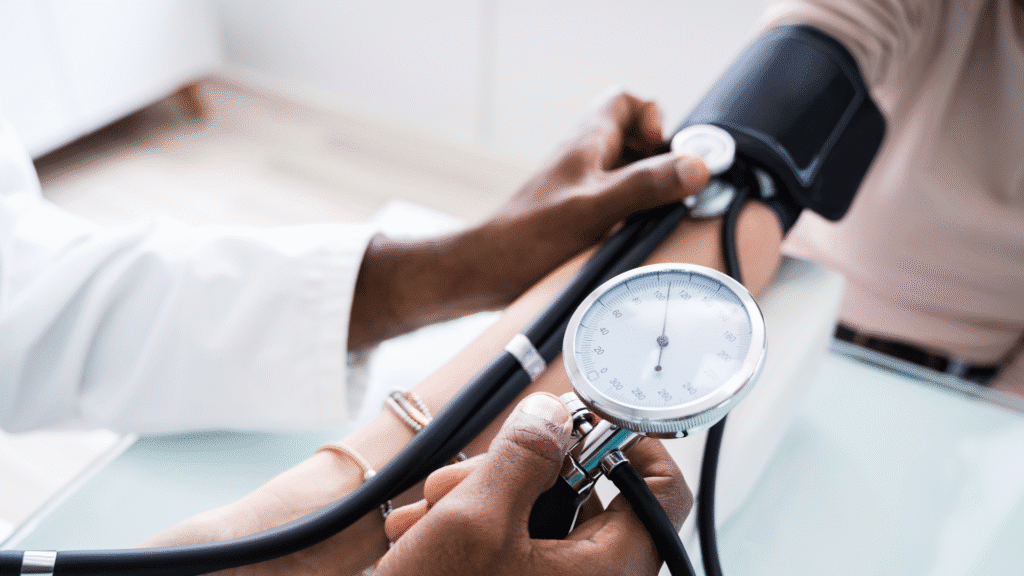
Blood pressure tells you how hard your heart works to move blood through your arteries. It’s one of the most important indicators of heart health, yet many people don’t fully understand what those two numbers on the monitor mean. Knowing how to interpret them can help you take better control of your health and lower the risk of heart disease or stroke.
This article breaks down what blood pressure really is, explains the difference between systolic and diastolic readings, and explores why keeping your numbers in a healthy range matters. You’ll also learn what affects your blood pressure and practical steps to manage it effectively.
What Is Blood Pressure?
Blood pressure measures the force your blood exerts on your artery walls as your heart pumps. It’s recorded using two numbers, such as 120/80 mmHg. The first (top) number is systolic pressure, and the second (bottom) is diastolic pressure.
Your arteries are elastic, allowing them to expand and contract as blood flows through. But when the pressure inside them is consistently high, the walls become stiff and narrow. This puts stress on your heart and increases your risk of heart disease, stroke, and kidney damage.
Normal blood flow ensures that oxygen reaches your brain, kidneys, and other vital organs. When blood pressure falls outside the normal range—either too high (hypertension) or too low (hypotension)—it disrupts this balance, potentially leading to long-term health issues.
Understanding Systolic Pressure
Systolic pressure measures how much force your blood applies to artery walls when your heart contracts. It’s the higher number on a blood pressure reading.
A healthy systolic reading is below 120 mmHg. When it consistently measures between 120 and 129 mmHg, it’s considered elevated. Readings of 130 mmHg or higher usually indicate hypertension.
High systolic pressure is especially dangerous because it means your arteries are under constant strain. Over time, this strain can cause:
- Artery damage: Stiff, thickened arteries reduce blood flow.
- Heart enlargement: The heart muscle works harder, thickens, and eventually weakens.
- Increased risk of heart attack and stroke: Damaged arteries are more prone to blockage or rupture.
Systolic hypertension often becomes more common with age because arteries lose elasticity. If you’re older than 50, your systolic reading becomes a stronger predictor of cardiovascular risk than diastolic pressure.
Understanding Diastolic Pressure
Diastolic pressure measures the pressure in your arteries when your heart relaxes between beats. It reflects how well your arteries maintain a steady flow of blood during rest.
Normal diastolic pressure is below 80 mmHg. If it consistently measures 80–89 mmHg, it indicates Stage 1 hypertension. Readings above 90 mmHg point to Stage 2 hypertension.
While systolic pressure tends to rise with age, elevated diastolic pressure is often seen in younger adults. High diastolic readings mean your arteries remain too tight even when your heart is at rest. This can prevent your heart from refilling efficiently and increase your long-term risk of heart and kidney problems.
Low diastolic pressure (below 60 mmHg) can also be a concern. It may reduce blood flow to the heart muscle, especially in older adults, and cause dizziness or fatigue. Your goal should be balance—not just avoiding high numbers but maintaining a range that keeps your body well supplied with blood.
The Stages of Blood Pressure
Doctors classify blood pressure levels into stages to guide treatment.
| Category | Systolic (mmHg) | Diastolic (mmHg) |
| Normal | <120 | <80 |
| Elevated | 120–129 | <80 |
| Stage 1 Hypertension | 130–139 | 80–89 |
| Stage 2 Hypertension | ≥140 | ≥90 |
| Hypertensive Crisis | ≥180 | ≥120 |
If your readings fall in the “crisis” range, seek medical help immediately. It could indicate a dangerous spike requiring urgent care.
What Affects Blood Pressure?
Many factors influence your blood pressure, and understanding them can help you control it more effectively.
1. Diet
High sodium intake is one of the biggest contributors to hypertension. Processed and fast foods often contain hidden salt that raises blood pressure. Eating more potassium-rich foods like bananas, spinach, and beans helps balance sodium levels.
2. Weight
Excess weight strains your heart and increases blood volume, forcing your heart to work harder. Losing even 5–10 pounds can lower blood pressure significantly.
3. Physical Activity
Exercise strengthens your heart, improves blood vessel elasticity, and helps maintain a healthy weight. Aim for at least 150 minutes of moderate activity each week.
4. Stress
Chronic stress triggers the release of cortisol and adrenaline, hormones that temporarily raise blood pressure. Over time, this can contribute to hypertension.
5. Alcohol And Tobacco
Excessive alcohol raises pressure levels, and nicotine narrows blood vessels. Reducing or quitting can improve your readings quickly.
6. Age And Genetics
Blood pressure naturally rises with age, and family history can play a role. Still, lifestyle changes can offset genetic risk.
When To See A Doctor
You should talk to your doctor if your blood pressure readings consistently measure above 130/80 mmHg. Early detection makes treatment easier and more effective.
Seek immediate care if you experience:
- Severe headache
- Chest pain
- Shortness of breath
- Blurred vision
- Dizziness or confusion
Your doctor may recommend medication, but most treatment plans start with lifestyle changes. Regular follow-ups ensure your blood pressure stays in a safe range.
FAQs
What is the ideal blood pressure range?
A normal range is around 120/80 mmHg. Readings higher than this may suggest elevated or high blood pressure.
Can I reduce my blood pressure naturally?
Yes. Eating less salt, exercising regularly, losing excess weight, and managing stress all help.
Does blood pressure vary during the day?
Yes, it rises during activity or stress and drops during rest or sleep. Consistent high readings are what matter most.
What foods should I avoid if I have high blood pressure?
Limit processed foods, canned soups, salty snacks, deli meats, and sugary drinks. Choose fresh, whole foods instead.
Can dehydration affect blood pressure?
Yes. When you’re dehydrated, your blood volume decreases, which can lower pressure temporarily. Chronic dehydration may also trigger your body to retain sodium, eventually increasing pressure.
Wrapping Up
Your blood pressure reflects how well your heart, arteries, and circulatory system are functioning. High blood pressure (hypertension) makes your heart work harder and causes progressive damage to blood vessels throughout your body.
The challenge is that hypertension rarely causes symptoms until damage is already underway. That’s why regular monitoring is essential even if you feel fine.