
When people search for natural remedies for cough, they often look for relief that doesn’t rely on pharmacy aisles. A dry throat, tickle, or lingering congestion can disrupt sleep and daily comfort, but simple ingredients found in most kitchens have been trusted for generations to calm irritation.
This article explores five proven items you likely already own that can help reduce coughing, ease throat discomfort, and promote faster recovery.
1. Honey

Honey has long been used as a natural throat coating, helping to reduce irritation. Unlike syrups packed with artificial additives, honey provides antioxidants and antimicrobial properties that can fight bacteria while also calming the urge to cough.
Best Ways to Use Honey
- Mix one to two teaspoons into warm tea or water.
- Take a spoonful before bedtime to reduce nighttime coughing.
- Blend with lemon juice for added vitamin C support.
For adults and children over one year old, honey is both safe and effective, making it one of the most trusted household cough soothers.
2. Ginger
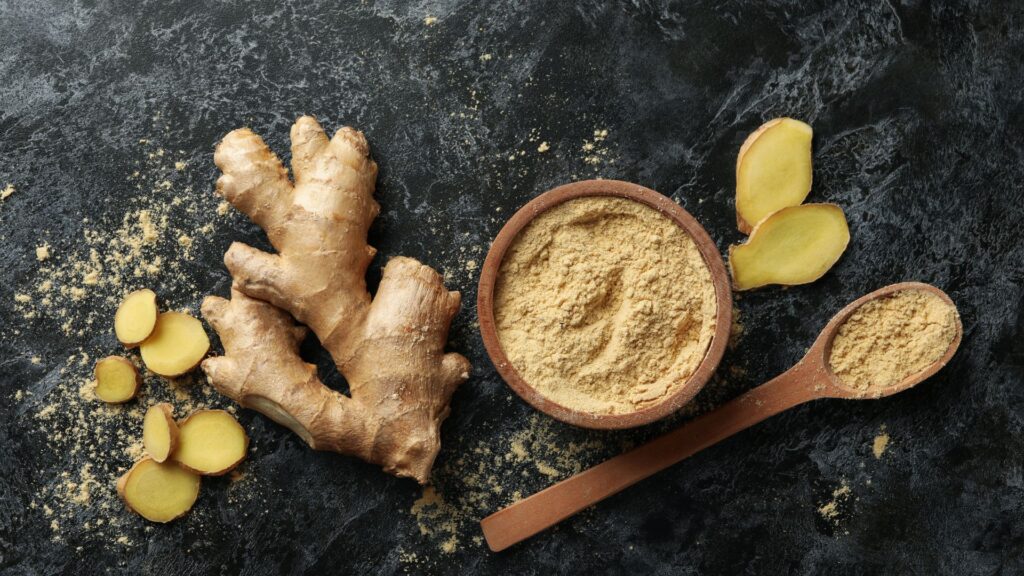
Ginger is more than a spice for flavoring; it contains natural anti-inflammatory compounds called gingerols and shogaols that can relax airway membranes. This helps reduce coughing triggered by irritation or mucus buildup. Some studies suggest ginger tea can be especially helpful for coughs associated with colds or asthma.
Simple Ginger Remedy
Peel and slice fresh ginger, then simmer it in hot water for 10 minutes to create a soothing tea. Adding honey to the mix doubles the cough-fighting benefits. This warming drink is particularly helpful before bed, when coughs tend to worsen.
3. Turmeric

Turmeric, often recognized for its bright yellow color, contains curcumin, a compound with strong anti-inflammatory and antioxidant properties. In traditional medicine, turmeric milk (sometimes called golden milk) has been used to calm persistent coughs and boost immunity during colds.
A warm glass of milk mixed with half a teaspoon of turmeric powder can help ease throat irritation. Drinking it in the evening may also promote relaxation, helping you get better rest when coughing keeps you awake. Regular use may not only reduce cough symptoms but also strengthen your body’s natural defenses.
4. Garlic

Garlic isn’t just for seasoning; it’s loaded with compounds like allicin, known for their ability to fight bacteria and viruses. This makes garlic a powerful ally against coughs linked to infections or sore throats. Adding raw garlic to meals can provide direct immune support, but it’s most effective when slightly crushed or chopped to release its active compounds.
Ways to Use Garlic for Cough Relief
- Chew a small clove of raw garlic if you can tolerate its strong taste.
- Crush garlic into warm soups or broths for an immune-boosting meal.
- Mix garlic with honey for a home remedy that’s both soothing and effective.
5. Peppermint

Peppermint contains menthol, a natural compound that can relax throat muscles and improve airflow in the respiratory system. This cooling effect helps reduce the intensity of coughing and can make breathing feel easier, especially during congestion. Peppermint tea or inhaling steam infused with peppermint oil are two simple ways to use it.
Quick Peppermint Methods
- Sip warm peppermint tea for a calming, throat-soothing drink.
- Add a few drops of peppermint oil to a bowl of hot water and inhale the steam for congestion relief.
- Use diluted peppermint oil rubbed on the chest as a natural vapor rub alternative.
Frequently Asked Questions
Can I give honey to young children for cough?
No, honey should never be given to children under one year old due to the risk of infant botulism.
How many times a day can I drink ginger tea for a cough?
Two to three cups a day is safe for most adults and can help ease cough symptoms.
Is turmeric milk safe for daily use?
Yes, a small amount of turmeric mixed with warm milk is generally safe and may provide added immune support.
Can garlic supplements replace fresh garlic?
While garlic supplements do provide some benefits, fresh garlic contains more active compounds that are best released when crushed.
Does peppermint tea interact with medications?
Peppermint tea is safe for most people, but those on acid reflux or heartburn medication should consult a doctor before frequent use.
Wrapping Up
When it comes to safe and effective remedies for cough, your kitchen is often the best pharmacy. Ingredients like honey, ginger, turmeric, garlic, and peppermint provide natural relief without the side effects that often come with pills or syrups.
These remedies are accessible, affordable, and supported by both tradition and modern research.
When people search for natural remedies for cough, they often look for relief that doesn’t rely on pharmacy aisles. A dry throat, tickle, or lingering congestion can disrupt sleep and daily comfort, but simple ingredients found in most kitchens have been trusted for generations to calm irritation.
This article explores five proven items you likely already own that can help reduce coughing, ease throat discomfort, and promote faster recovery.
1. Honey
Honey has long been used as a natural throat coating, helping to reduce irritation. Unlike syrups packed with artificial additives, honey provides antioxidants and antimicrobial properties that can fight bacteria while also calming the urge to cough.
Best Ways to Use Honey
- Mix one to two teaspoons into warm tea or water.
- Take a spoonful before bedtime to reduce nighttime coughing.
- Blend with lemon juice for added vitamin C support.
For adults and children over one year old, honey is both safe and effective, making it one of the most trusted household cough soothers.
2. Ginger
Ginger is more than a spice for flavoring; it contains natural anti-inflammatory compounds called gingerols and shogaols that can relax airway membranes. This helps reduce coughing triggered by irritation or mucus buildup. Some studies suggest ginger tea can be especially helpful for coughs associated with colds or asthma.
Simple Ginger Remedy
Peel and slice fresh ginger, then simmer it in hot water for 10 minutes to create a soothing tea. Adding honey to the mix doubles the cough-fighting benefits. This warming drink is particularly helpful before bed, when coughs tend to worsen.
3. Turmeric
Turmeric, often recognized for its bright yellow color, contains curcumin, a compound with strong anti-inflammatory and antioxidant properties. In traditional medicine, turmeric milk (sometimes called golden milk) has been used to calm persistent coughs and boost immunity during colds.
A warm glass of milk mixed with half a teaspoon of turmeric powder can help ease throat irritation. Drinking it in the evening may also promote relaxation, helping you get better rest when coughing keeps you awake. Regular use may not only reduce cough symptoms but also strengthen your body’s natural defenses.
4. Garlic
Garlic isn’t just for seasoning; it’s loaded with compounds like allicin, known for their ability to fight bacteria and viruses. This makes garlic a powerful ally against coughs linked to infections or sore throats. Adding raw garlic to meals can provide direct immune support, but it’s most effective when slightly crushed or chopped to release its active compounds.
Ways to Use Garlic for Cough Relief
- Chew a small clove of raw garlic if you can tolerate its strong taste.
- Crush garlic into warm soups or broths for an immune-boosting meal.
- Mix garlic with honey for a home remedy that’s both soothing and effective.
5. Peppermint
Peppermint contains menthol, a natural compound that can relax throat muscles and improve airflow in the respiratory system. This cooling effect helps reduce the intensity of coughing and can make breathing feel easier, especially during congestion. Peppermint tea or inhaling steam infused with peppermint oil are two simple ways to use it.
Quick Peppermint Methods
- Sip warm peppermint tea for a calming, throat-soothing drink.
- Add a few drops of peppermint oil to a bowl of hot water and inhale the steam for congestion relief.
- Use diluted peppermint oil rubbed on the chest as a natural vapor rub alternative.
Frequently Asked Questions
Can I give honey to young children for cough?
No, honey should never be given to children under one year old due to the risk of infant botulism.
How many times a day can I drink ginger tea for a cough?
Two to three cups a day is safe for most adults and can help ease cough symptoms.
Is turmeric milk safe for daily use?
Yes, a small amount of turmeric mixed with warm milk is generally safe and may provide added immune support.
Can garlic supplements replace fresh garlic?
While garlic supplements do provide some benefits, fresh garlic contains more active compounds that are best released when crushed.
Does peppermint tea interact with medications?
Peppermint tea is safe for most people, but those on acid reflux or heartburn medication should consult a doctor before frequent use.
Wrapping Up
When it comes to safe and effective remedies for cough, your kitchen is often the best pharmacy. Ingredients like honey, ginger, turmeric, garlic, and peppermint provide natural relief without the side effects that often come with pills or syrups.
These remedies are accessible, affordable, and supported by both tradition and modern research.