
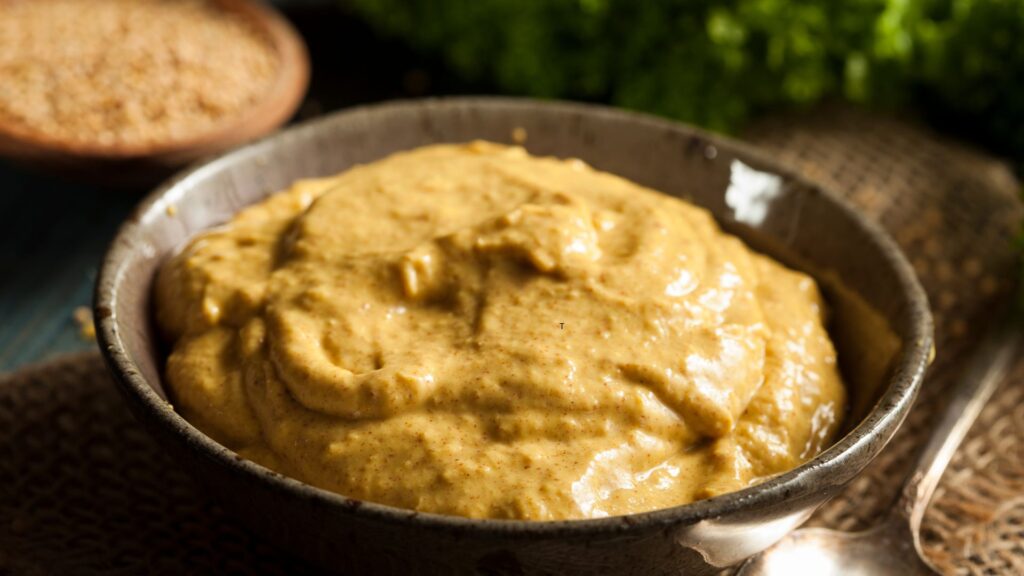
Mustard is a staple in many kitchens, known for its tangy flavor and long shelf life. From yellow mustard at barbecues to spicy Dijon in sandwiches, it adds flavor to meals in small but punchy doses. But how long does it actually last? And more importantly, does mustard go bad?
In this article, you’ll learn how mustard ages over time, how to spot signs of spoilage, and the best ways to store it. We’ll also look at the differences between types of mustard and how their ingredients affect longevity.
Table of Contents
ToggleWhat Is Mustard’s Shelf Life?
Mustard contains ingredients like vinegar, salt, and spices that naturally help preserve it. Because of this, it tends to last longer than many other condiments. An unopened jar stored in a cool, dark pantry can remain good for years past the printed date.
Once opened, mustard generally stays good for 12 to 18 months when kept in the refrigerator. Over time, it may lose flavor or separate, but that doesn’t always mean it’s unsafe to eat.
Signs That Mustard Has Gone Bad
Even though mustard resists spoiling, it isn’t immune. Over time, storage conditions and ingredient breakdown can affect its quality.
Changes in Smell and Texture
When mustard goes bad, the aroma may turn sour or off-putting. Fresh mustard has a sharp, zesty smell that fades with time but should never smell foul. A sour or rotten scent signals bacterial activity.
The texture can also give clues. Separation is common and usually harmless; a quick stir often restores the original consistency. But if the mustard appears slimy or excessively watery, it’s better not to use it.
Discoloration or Mold
Look closely at the surface and lid. If you spot dark spots, mold, or any fuzzy growths, toss it immediately. Mustard shouldn’t develop mold under normal refrigeration, so its presence suggests contamination.
Color changes alone aren’t always bad. Slight darkening can happen naturally, especially in spicy or whole-grain varieties. Still, if it looks dramatically different from when you bought it, caution is better.
How Long Different Types of Mustard Last
Not all mustard varieties are the same. Their ingredients and packaging can affect how long they remain safe and tasty.
Yellow Mustard
This classic version is made with vinegar, turmeric, and mustard seeds. Because of its high acid content, yellow mustard often lasts the longest—up to two years unopened, and around one year opened and refrigerated.
Dijon Mustard
Dijon usually contains white wine or wine vinegar, which helps preserve it. However, it can be a bit more sensitive to heat. Once opened, Dijon should stay refrigerated and used within 12 months for best flavor.
Honey Mustard
This sweeter variety includes sugar and sometimes mayonnaise, making it more prone to spoiling. Honey mustard should always be refrigerated after opening and used within 6 to 10 months.
Whole Grain and Spicy Mustards
These may contain fewer preservatives or fresh spices that degrade quicker. Even when refrigerated, they’re best used within 8 to 10 months after opening.
Best Practices for Storing Mustard
Proper storage can greatly extend mustard’s shelf life and prevent early spoilage.
Store Unopened Mustard in a Cool Place
Pantries or cabinets away from heat sources work well for unopened jars. Keep mustard sealed tightly and out of direct sunlight. High temperatures can break down ingredients faster, shortening its life even before you open it.
Refrigerate After Opening
No matter the type, once opened, mustard belongs in the fridge. Refrigeration slows down oxidation and microbial growth. Always close the lid tightly to prevent air and moisture from entering the container.
Use Clean Utensils
Never dip food-covered utensils into your mustard jar. Cross-contamination is a common cause of spoilage. Use a clean spoon or knife every time to help preserve freshness.
What Happens If You Eat Expired Mustard?
In most cases, eating mustard past its best-by date isn’t dangerous. The date usually reflects peak quality, not safety. If it looks, smells, and tastes normal, it’s likely still okay.
However, if the mustard shows signs of spoilage like mold or bad odor, discard it. Consuming spoiled mustard could lead to digestive upset or foodborne illness, especially in sensitive individuals.
Final Thoughts: Does Mustard Go Bad?
Mustard lasts a surprisingly long time thanks to its natural preservatives, like vinegar and salt. However, it can still go bad under the wrong conditions. Look for changes in smell, texture, and appearance to tell if your mustard has turned.
By storing it properly and using it within the recommended time frames, you can enjoy your favorite mustard varieties safely and for longer. When in doubt, trust your senses—and don’t take chances with anything that smells off or shows visible signs of spoilage.
