

Kadi patta (curry leaves) are renowned not just for their flavor but also for their numerous health benefits. In this article, we discuss what kadi patta is, top nine health benefits, tips on incorporating them into your diet, and substitutes for curry leaves.
What Exactly Is Kadi Patta?
Kadi patta comes from the curry tree (Murraya koenigii), which grows in tropical and subtropical regions. The plant belongs to the Rutaceae family, the same family as citrus fruits. It produces shiny green leaves that are often used fresh in cooking.
Though it’s commonly called “curry leaf,” it has nothing to do with curry powder. Its taste is slightly bitter with a citrus note, which makes it a favorite in spice blends and sauces.
Top 9 Kadi Patta Benefits
1. High in antioxidant
Curry leaves are loaded with potent antioxidants like carbazole alkaloids that neutralize free radicals in the body, reducing the risk of diseases caused by oxidative stress, such as arthritis, heart disease, and Alzheimer’s.
2. Aids in digestion
Curry leaves are traditionally used to relieve digestive issues. They stimulate digestive enzymes, which help break down food more efficiently. They also have carminative properties, which means they can reduce gas formation in the stomach, relieving bloating and other digestive discomforts.
3. Promotes heart health
Some studies suggest that curry leaves may help in reducing the levels of bad LDL cholesterol and preventing cholesterol oxidation. This action helps maintain a healthy blood flow and blood pressure, reducing the risk of heart attacks and strokes.
4. Helps protect the liver
Curry leaves have been shown to possess hepatoprotective properties, which means they can help protect the liver from damage caused by toxins, drugs, and alcohol. They may also aid in the regeneration of liver cells and improve liver function.
5. May promote hair growth
Curry leaves are rich in proteins and beta-carotene, vital for healthy hair growth. The antimicrobial properties of curry leaves can help treat scalp infections and dandruff, which are common causes of hair fall.
6. Skincare benefits
Curry leaves can help reduce acne and skin infections due to their antibacterial and antifungal properties. Applying a paste made from curry leaves can improve skin health, leaving it vibrant and clear.
7. May help prevent anemia
Curry leaves are a good source of iron and folic acid (vitamin B9), both of which are essential nutrients for preventing and treating anemia. This nutrient combination can be particularly beneficial for individuals with iron-deficiency anemia or those at risk of this condition, such as menstruating or pregnant women.
8. Stabilizes blood sugar levels
The presence of fiber and mahanimbine in curry leaves is believed to be responsible for their anti-diabetic properties. These improve insulin sensitivity, which helps the body utilize glucose more effectively, lowering blood sugar levels.
9. Good for your eyes
Curry leaves are a good source of vitamin A, which is essential for healthy vision. Regular consumption of curry leaves helps prevent night blindness and other eye-related issues like age-related macular degeneration (AMD) and cataracts.
Also read: Best Foods For Optimal Heart Health
How To Use Kadi Patta
Now that you’re aware of the health benefits of curry leaves, let’s get into how to incorporate curry leaves into your diet. Here are a few tips:
Add them to your cooking
Use curry leaves as a seasoning in your cooking. Add them to your tempering (tadka) for dals, soups, and curries. The leaves release a unique aroma and flavor when fried in a bit of oil, enhancing the overall taste of your dishes.
Make curry leaf powder
Dry some curry leaves under the sun or in an oven and grind them into a fine powder. You can sprinkle this powder on your salads, soups, and stews or mix it into doughs for bread or pancakes.
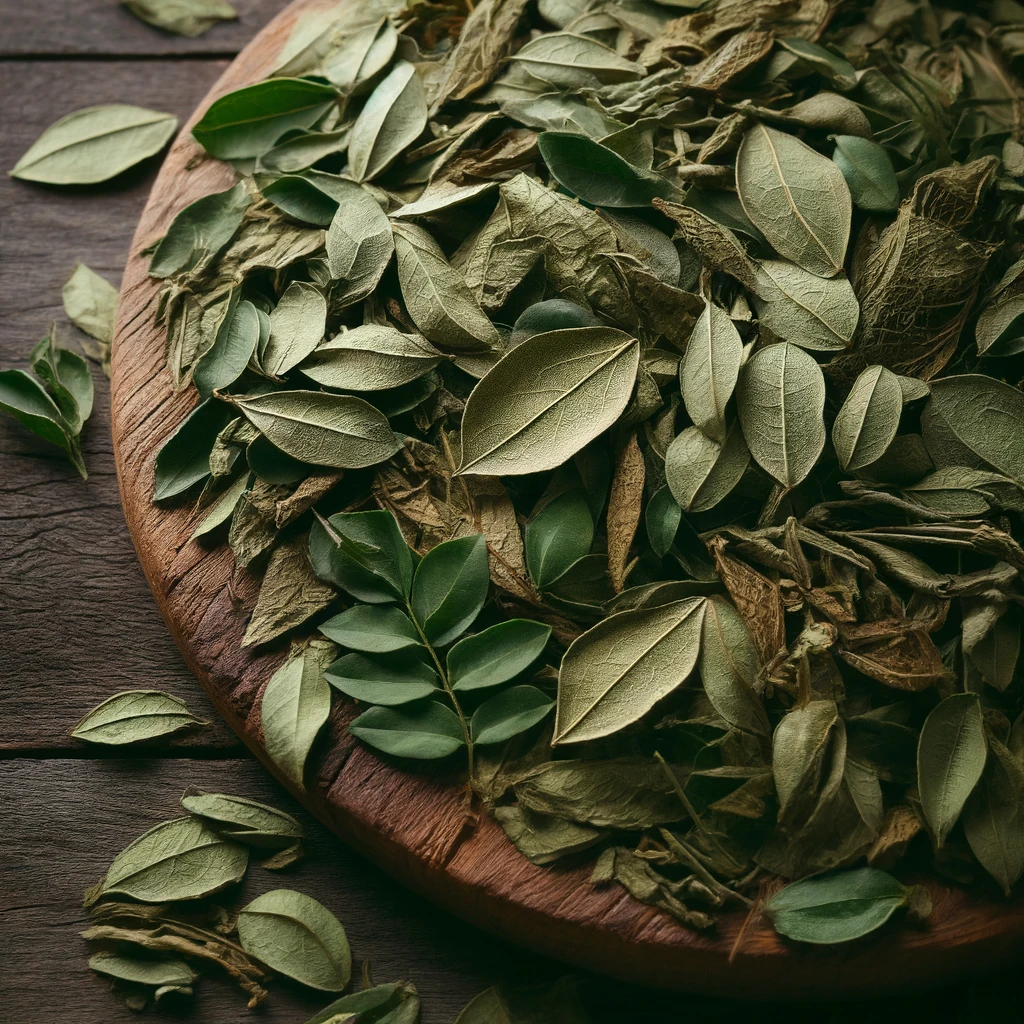
Brew curry leaf tea
For a soothing and healthful drink, try brewing tea with curry leaves. Add a handful of fresh or dried curry leaves to boiling water, let it simmer for a few minutes, then strain and enjoy.
Add into smoothies
Blend a handful of curry leaves with your choice of fruits and vegetables. The leaves have a mild flavor, so they won’t overpower the taste of your smoothie. This is an excellent way to enjoy their health benefits, especially if you dislike their taste in cooked dishes.
Curry leaf hair oil
Although not a dietary method, curry leaf hair oil can offer benefits for hair strength and vitality, as discussed earlier. Simply heat a carrier oil like coconut or olive oil and add a handful of curry leaves. Let the mixture simmer, then cool and strain. Apply the oil to your scalp to enhance hair growth and health.
Substitutes for Kadi Patta
Sometimes, finding fresh curry leaves can be a challenge, especially if you live in a region where they’re not commonly available. Here are a few alternatives with a similar flavor to curry leaves:
Bay leaves
Bay leaves are more readily available in many parts of the world and can be used in soups, stews, and curries. However, they have a stronger flavor, so you might want to use them sparingly.
Kaffir lime leaves
Kaffir lime leaves are perhaps the closest match to curry leaves. They share a similar citrusy and tangy profile, making them an excellent alternative. However, like bay leaves, kaffir lime leaves are quite potent, so you’ll want to use them sparingly—two kaffir lime leaves for every ten curry leaves.
Lemon balm
Lemon balm can be used as a substitute for curry leaves in recipes that require a hint of citrus. Lemon balm is less common but works well when used in the same amount as curry leaves to bring a light, refreshing flavor to dishes.
Lime zest
This is especially useful in dishes where the tangy aspect of curry leaves is desired. Though not a perfect match, lime zest can bring a refreshing and vibrant touch to your meals. Use the zest of one lime as a substitute for eight curry leaves.
Basil leaves
Lemon basil and Thai basil offers a sweet, herbal flavor that can mimic the aroma of curry leaves. This substitute works best in recipes where curry leaves are not the primary flavor. Use fresh basil leaves in a one-to-one ratio as a replacement.
Also read: Benefits of Cloves For Sexual Health
Wrapping up
Kadi patta, also known as curry leaf, is a fragrant herb that native to the Indian subcontinent. It is widely used in South Asian cooking to add flavor and aroma to dals, rice, and stews.
Beyond its use in food, kadi patta contains nutrients such as iron, calcium, and antioxidants that support overall health. It can be used fresh, dried, or powdered, and is often added to hot oil to release its full flavor.