

Butternut squash is a nutritious vegetable rich in Vitamins A and C, fiber and potassium. It is known for its sweet nutty flavor and orange flesh.
Due to its seasonal nature and bulky size, you’re probably wondering if you can freeze butternut squash to extend its shelf life. The good news is that butternut squash can be frozen for even as long as six months.
In this article, we’ll explore the most effective methods for freezing butternut squash to ensure that you can enjoy this delicious vegetable at any time of the year.
How to freeze butternut squash the right way
Step 1: Prepare the squash
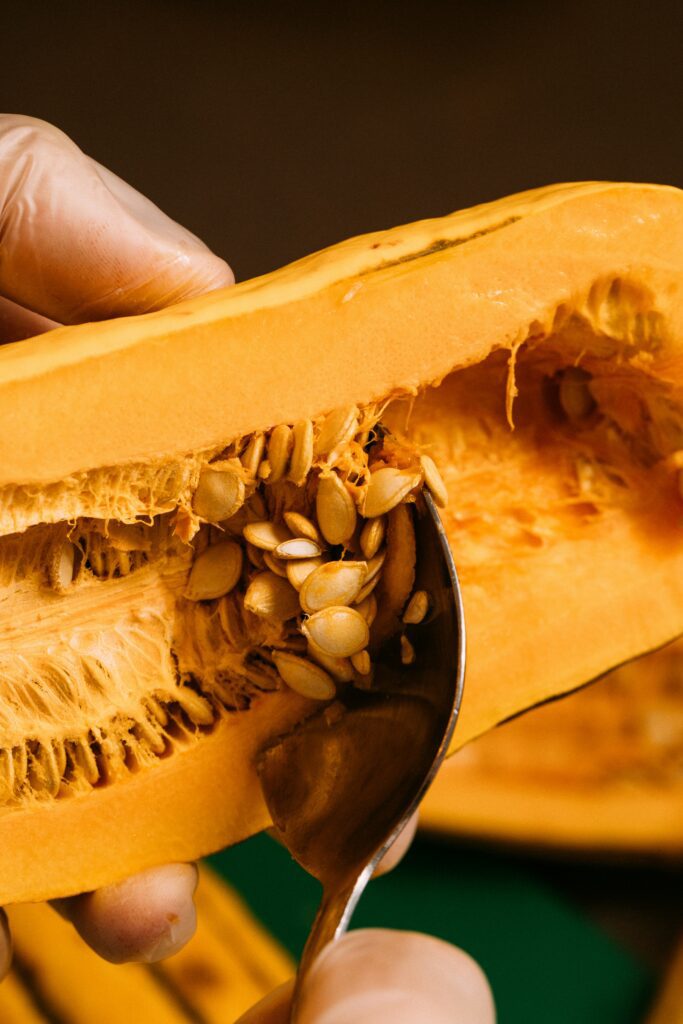
Begin by washing the squash thoroughly. Next, peel the skin, cut off the stem, and remove the seeds with a spoon.
Afterward, cut the squash into smaller, manageable chunks or cubes, typically around one inch in size. This step not only makes it easier to store but also speeds up the cooking process when you’re ready to consume it.
Step 2: Blanch
Blanching the squash before freezing is an optional step, but it can help preserve its color, texture, and nutritional value.
To blanch, boil the squash pieces for about 3-5 minutes, then immediately transfer them to an ice bath to stop the cooking process. After cooling, pat the squash dry with paper towels.
Related: Can You Freeze Broccoli Without Blanching?
Step 3: Flash freeze
After blanching, the next step is flash freezing. This process ensures that the pieces remain separate, making it easier to use just the amount you need later on.
To do this, spread your cut butternut squash on a parchment-lined baking sheet in a single layer and freeze them for a couple of hours.
Step 4: Store the squash
Once the squash is frozen, transfer the pieces to airtight freezer bags or containers. Make sure to remove as much air as possible before sealing the bags.
Label and date the containers, and store them in the freezer. Properly stored, butternut squash can last for up to a year.
Alternative methods for freezing butternut squash
In addition to freezing cubes or slices, you can also freeze butternut squash in other forms:
Pureed squash
If you often use squash in soups or as a baby food, consider pureeing it before freezing. This method ensures a smooth texture and makes it easy to thaw and use directly.
Squash noodles
Spiralized squash noodles can be frozen uncooked. Just place them in a freezer bag, removing as much air as possible, and they’ll be ready to toss into a stir-fry or boil as a pasta substitute.
Cooked squash
You can also freeze cooked butternut squash. Simply allow it to cool before freezing, ensuring it’s stored in portion sizes convenient for future meals.
Tips for using frozen butternut squash
When you’re ready to use your frozen squash, there are several options depending on how it was prepared.
For raw, cubed squash, you can add it directly to stews, casseroles, or soups, allowing it to cook from frozen. If you’ve frozen squash puree or soup, it can be thawed in the refrigerator overnight or reheated directly on the stovetop.
It’s important to note that while frozen squash may have a slightly softer texture after thawing, this should not deter you from using it in various dishes.
Roasting, for example, can help to bring back some of the firmness and enhance the natural sweetness of the squash.
Frequently Asked Questions
How long can you store frozen butternut squash?
Frozen butternut squash can be stored for up to 12 months. For the best quality, however, it’s recommended to use it within 4-6 months.
Can you freeze butternut squash soup?
Yes, you can freeze butternut squash soup. Cool it to room temperature before freezing. Allow space at the top to allow for expansion during freezing.
Can you freeze butternut squash without blanching it?
Yes, you can. But its recommended to blanch butternut squash first to preserve its texture and flavor.
Final thoughts
Like courgettes, you can freeze butternut squash! Freezing butternut squash is an excellent way to enjoy this versatile vegetable long after the harvest season has ended.
Whether you choose to freeze it raw or cooked, following these steps and tips will help you successfully freeze butternut squash without worrying much about texture or flavor loss.
So, don’t let an abundance of squash go to waste—freeze it, and enjoy the convenience and taste year-round.
