
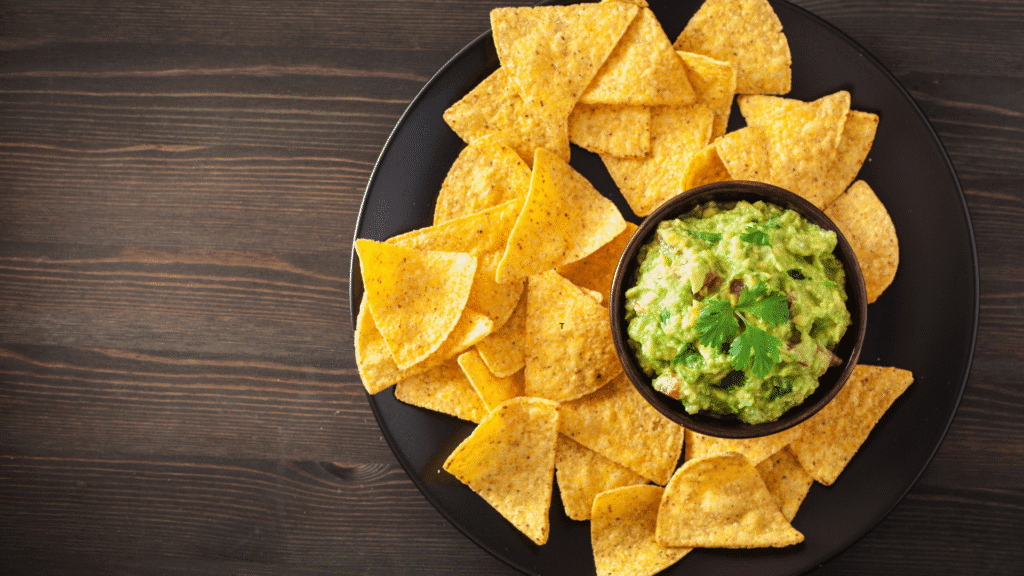
Tortilla chips are a beloved snack across cultures, perfect for scooping up guacamole, diving into salsa, or munching them solo straight from the bag. But if you’re watching your waistline or trying to eat healthier, you’ve likely asked: Are tortilla chips fattening?
The answer isn’t a simple yes or no. This article breaks down the nutritional facts, ingredient lists, processing methods, and how these crunchy triangles fit (or don’t) into a balanced diet.
What’s in a Tortilla Chip?
Tortilla chips are typically made from corn tortillas, which are cut into wedges and fried in oil (though some versions are baked). The primary ingredients usually include:
- Corn (white, yellow, or blue)
- Vegetable oil (often sunflower, canola, or corn oil)
- Salt
Some variations may include flavorings, preservatives, and artificial colorings. The most common nutritional red flags in tortilla chips are their calorie density, fat content, and sodium levels.
Nutritional Profile of Tortilla Chips
Here’s a look at the average nutrition in a 1-ounce (about 28g) serving of regular corn tortilla chips (about 10–15 chips):
| Nutrient | Amount | % Daily Value (Approx) |
| Calories | 140–150 kcal | 7–8% |
| Total Fat | 7–8 g | 10–12% |
| Saturated Fat | 1 g | 5% |
| Carbohydrates | 18–19 g | 6% |
| Fiber | 1–2 g | 5–8% |
| Protein | 2 g | 4% |
| Sodium | 110–170 mg | 7–11% |
While not a “junk food” in the strictest sense, tortilla chips pack a calorie punch, primarily from fat and carbs. One serving might seem modest, but the problem is overconsumption, especially when eaten with dips like cheese or sour cream.
Fried vs. Baked Tortilla Chips
The cooking method plays a significant role in how fattening tortilla chips can be.
Fried Chips:
- Higher in total fat and calories
- Tend to be crispier and more flavorful
- Often contain added preservatives and oils high in omega-6 fats
Baked Chips:
- Lower in fat and calories per serving
- Often marketed as “healthy” but may contain added sugars or starches for flavor
- Can be just as high in sodium
If your goal is to reduce fat intake, baked versions are the better option. However, baked chips can still contribute to weight gain if overeaten.
So, Are Tortilla Chips Fattening?
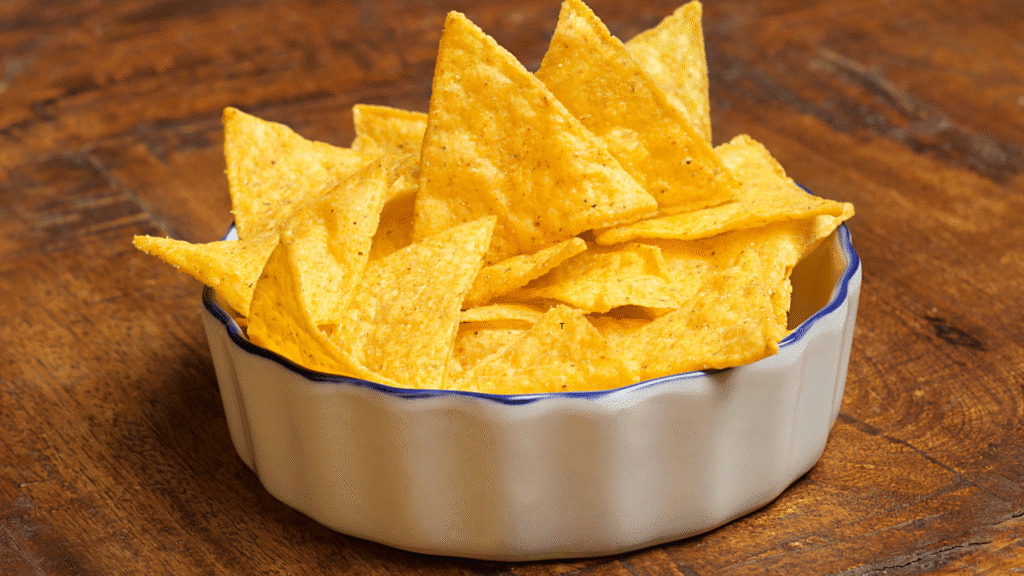
Yes, if consumed in large amounts or without awareness. Let’s be clear: tortilla chips are a calorie-dense, low-satiety food, meaning it’s easy to eat a lot without feeling full. Add in high sodium, and you’ve got a recipe for bloating, water retention, and increased risk of overconsumption.
However, the occasional serving of tortilla chips in a controlled portion (especially when paired with healthy dips like hummus, guacamole, or salsa) is unlikely to derail your nutrition goals. The context in which you eat them matters. Consider the following examples:
- Snacking mindlessly during a movie: You may easily eat 3–4 servings (450+ calories).
- Adding chips to a balanced meal: 1 serving as a crunchy side alongside protein and veggies is much less risky.
- Also, if your overall daily calorie intake remains in check, a serving of tortilla chips won’t automatically lead to weight gain.
How Do Tortilla Chips Compare to Other Snacks?
Let’s compare them to similar snack options per 1-ounce (28g) serving:
| Snack | Calories | Total Fat | Fiber | Sodium |
| Tortilla Chips | 140–150 | 7–8 g | 1–2 g | 110–170 mg |
| Potato Chips | 150–160 | 10 g | 1 g | 170–200 mg |
| Pretzels | 110–120 | 1–2 g | <1 g | 250–300 mg |
| Air-popped Popcorn | 100–110 | 1 g | 3–4 g | 0–50 mg |
| Baked Tortilla Chips | 120–130 | 3–4 g | 1–2 g | 150–200 mg |
Tortilla chips fall somewhere in the middle: they’re less greasy than potato chips but not as fiber-rich or low-calorie as popcorn. The healthiest option would be air-popped popcorn or a small portion of nuts (though nuts are higher in fat, they offer more protein and satiety).
Healthier Ways to Eat Tortilla Chips
If you don’t want to give up tortilla chips entirely, here are a few strategies to enjoy them more responsibly:
- Make your own at home: Bake corn tortillas sliced into wedges with a bit of olive oil and sea salt. This cuts down on both fat and preservatives.
- Choose whole grain versions: Some tortilla chips are made with whole corn or even added chia, flax, or quinoa. These versions provide more fiber and micronutrients.
- Pair with nutrient-dense dips: Salsa, black bean dip, hummus, and guacamole all add vitamins and minerals without excess calories (unless you go overboard).
- Control your portion: Measure out one serving instead of eating from the bag. Pre-portioning is key.
- Watch your overall daily calories: If tortilla chips fit into your daily intake, they won’t inherently make you gain weight.
Frequently Asked Questions (FAQ)
Are tortilla chips healthier than potato chips?
Generally, yes. Tortilla chips often have slightly less fat and may contain fewer additives than potato chips. However, the difference is marginal; both are best eaten sparingly.
What’s the healthiest way to eat tortilla chips?
Make them at home using baked corn tortillas, choose whole-grain versions, and pair with fresh salsa or guacamole. Measure your portions and avoid flavored varieties high in sodium or artificial ingredients.
Do baked tortilla chips still cause weight gain?
They can, if overeaten. Baked chips are lower in fat but still contain calories and carbs. Portion control is still essential.
Are blue corn tortilla chips better for you?
Blue corn chips contain anthocyanins, which are antioxidants, and sometimes have more fiber than yellow corn chips. However, they are still often fried and salted, so the health difference is minimal unless you choose baked versions.
The Bottom Line
Tortilla chips aren’t evil, but they aren’t a health food either. They are energy-dense, often high in sodium, and easy to overeat; three qualities that can contribute to weight gain if not managed carefully.
That said, when eaten in moderation and within the context of an overall healthy diet, tortilla chips are not inherently fattening. If you’re looking to lose or maintain weight, enjoy tortilla chips as an occasional treat, not a daily snack.
