
Boosting cognitive function does not always require complicated routines. Many teas and plant-based beverages contain bioactive compounds that support mental clarity, focus, and overall brain health. When chosen thoughtfully, these drinks can complement healthy habits and offer gentle relief for people who struggle with congestion or coughs that often make clear thinking more difficult.
In this article, I highlight ten scientifically supported options that supply antioxidants, amino acids, polyphenols, and circulatory benefits linked to cognitive performance. For each drink, I explain how it works, which brain mechanisms are involved, and practical advice on how to use them safely for cognitive benefit.
1. Green Tea

Green tea is perhaps the most well-studied beverage for brain support. It contains caffeine and the amino acid L-theanine, which work together in a synergistic way. L-theanine promotes calmness by increasing alpha brain wave activity, while caffeine boosts alertness by antagonizing adenosine receptors in the brain.
Research shows that the combination of caffeine and L-theanine can improve attention, memory, and inhibitory control.
How to try it: Brew green tea at around 80 °C (not boiling) to preserve its delicate compounds. A typical cup provides modest levels of caffeine (~20–40 mg) and L-theanine (~5–25 mg), which supports focused calm without jitters.
2. Matcha
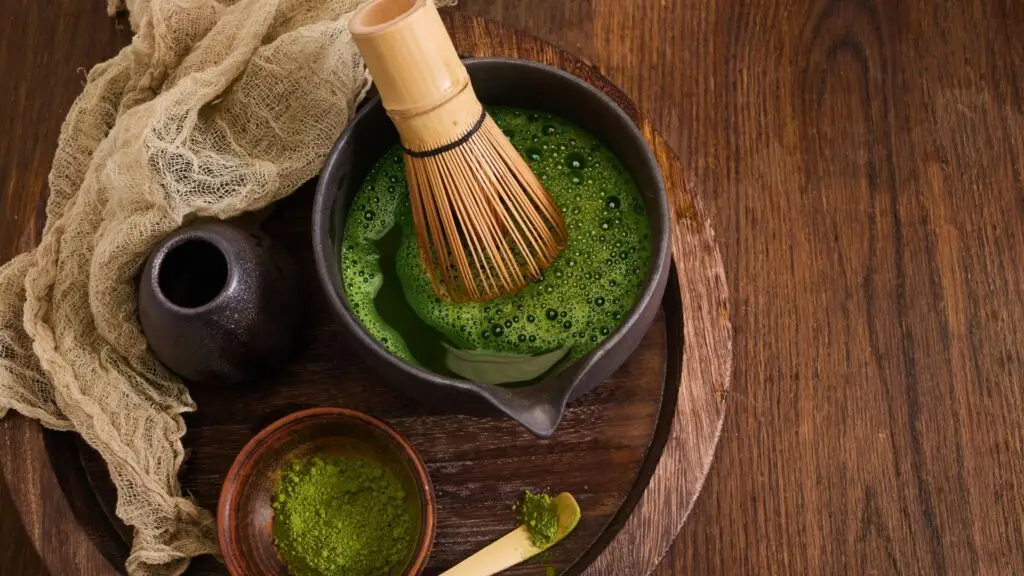
Matcha is a powdered form of green tea, meaning when you drink it you are ingesting the whole tea leaf, not just an infusion. This gives you higher concentrations of L-theanine, caffeine, and catechins like EGCG, which may enhance working memory and protect neurons.
Because matcha delivers these compounds more densely, it’s a powerful choice when you want sustained focus and mental clarity without the crash often associated with coffee.
How to try it: Use about 1 teaspoon (2 g) of matcha powder whisked into ~75 ml of warm water. Adjust strength to taste. You can also mix matcha into smoothies or lattes.
3. Black Tea
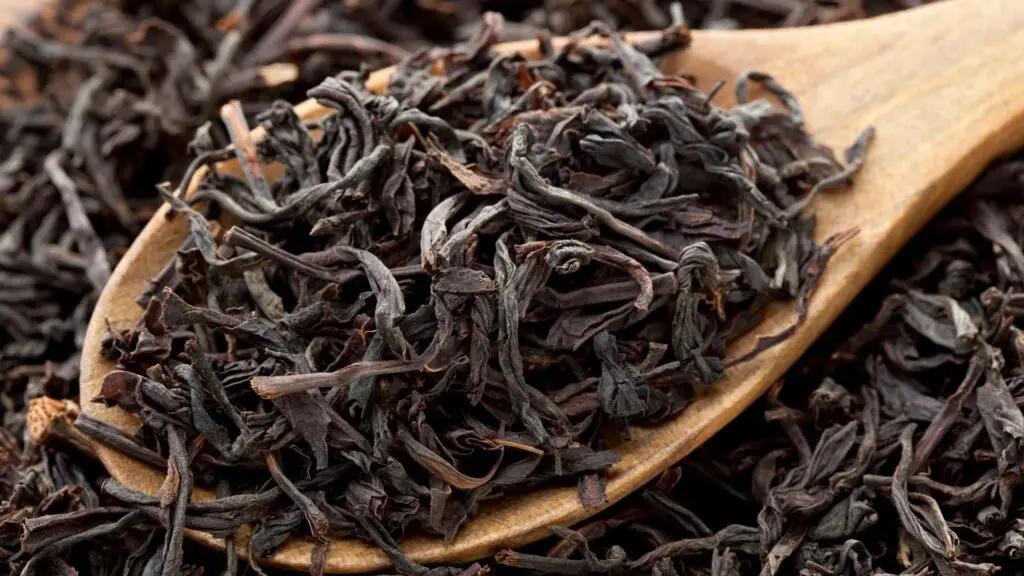
Though black tea is more oxidized than green tea, it still contains caffeine and L-theanine, plus other polyphenols. In controlled studies, consumption of black tea improved delayed-recall memory, suggesting it may help with memory consolidation.
How to try it: Brew black tea with boiling water for 3–5 minutes. Because it has more caffeine than green tea, it’s better suited for the morning or early afternoon.
4. GABA Tea
GABA tea (sometimes called Gabaron) is a special type of tea processed to accumulate gamma-aminobutyric acid (GABA), an inhibitory neurotransmitter in the brain that supports relaxation and reduces neural over-excitation.
GABA itself modulates brain activity by reducing excitatory signals, which can help maintain composure and mental stability. While clinical evidence is less robust than for L-theanine, this tea is promising for those who want a calm but alert mind.
How to try it: Brew GABA tea like green tea (around 80°C) and enjoy it in moments when you want to lower stress while staying mentally present.
5. Bacopa (Brahmi) Infusion
Bacopa monnieri, known in Ayurvedic tradition as Brahmi, is commonly used to support memory. Its active compounds (bacosides) may promote neuroplasticity, modulate acetylcholine signaling, and act as antioxidants.
How to try it: Use loose dried Bacopa leaves or standardized extract. Because the effects build gradually, you may need to drink it regularly (e.g., daily for weeks) to notice improvements. It’s often consumed as a mild herbal tea.
6. Ginseng Tea

Ginseng (especially Panax ginseng) has a long history in traditional medicine for boosting cognition. A recent meta-analysis of randomized controlled trials found that ginseng significantly improved memory, particularly at higher dosages.
Ginseng’s active chemicals (ginsenosides) may influence neurotransmitter systems, reduce fatigue, and promote neuronal resilience.
How to try it: Use ginseng root slices or powdered ginseng. Steep in hot (not boiling) water for 10–15 minutes. Limit intake to avoid overstimulation, and consult a health provider if you are on medication, as ginseng may interact with blood sugar or blood pressure.
7. Yerba Mate
Yerba mate is a South American infusion made from Ilex paraguariensis. It contains caffeine, theobromine, and polyphenols that together support mental energy, clarity, and neuroprotection.
Because of its mix of stimulants, yerba mate can increase alertness like coffee but often with a gentler “lift” and without the crash.
How to try it: Brew yerba mate as a loose-leaf tea, either in a gourd or a regular tea infuser. Start with moderate servings, e.g., one 200 ml cup per session to assess your tolerance.
8. Gotu Kola Tea
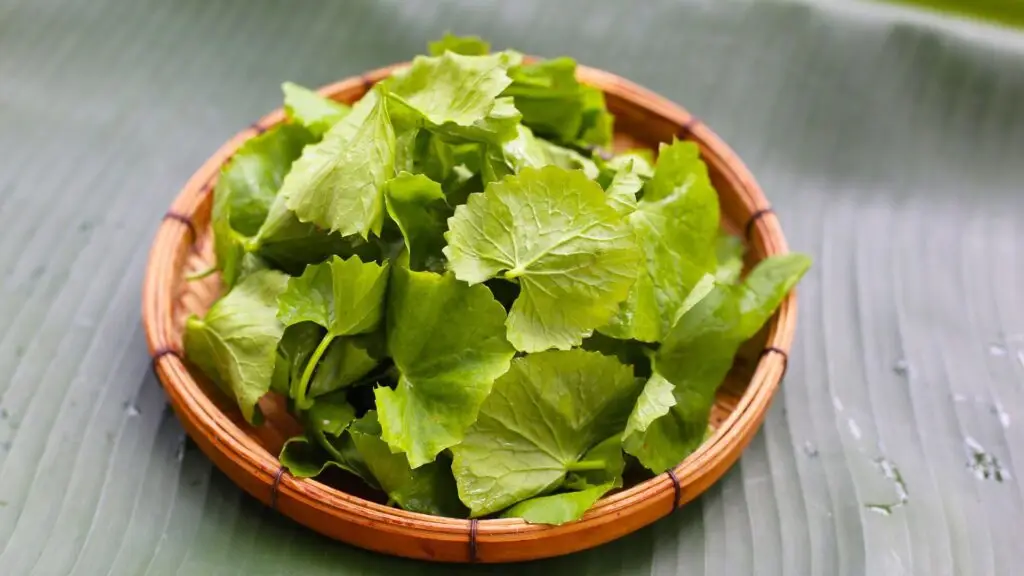
Gotu kola (Centella asiatica) is an herb used in traditional medicine for cognitive health. It’s believed to improve cerebral circulation, support neurogenesis, and protect neurons from oxidative stress.
Some studies (mostly preclinical) suggest that gotu kola may enhance memory retention and learning, though more rigorous human trials are needed.
How to try it: Use dried gotu kola leaves to brew tea (steep in hot water for 5–10 minutes). Because of its calming properties, it can be useful in the afternoon or evening.
9. Ashwagandha Tea
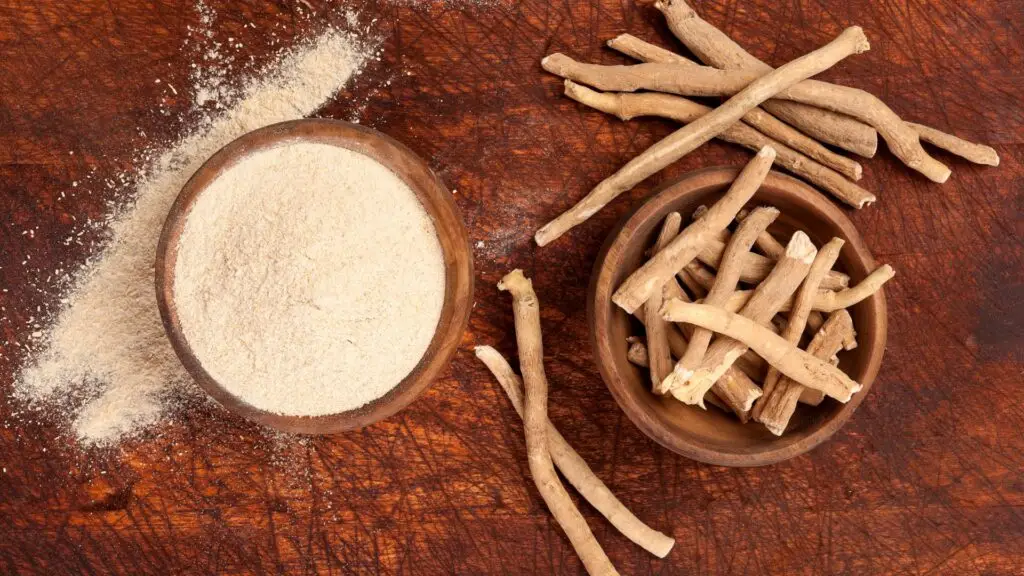
Ashwagandha is an adaptogen herb known for its stress-reducing effects. Chronic stress can impair prefrontal cortex function, affecting working memory and decision-making. Ashwagandha helps by lowering cortisol and supporting neuronal resilience.
While many studies use ashwagandha extract, you can make a mild tea from the root or leaves to gain some of its benefits.
How to try it: Simmer dried or powdered ashwagandha root for 10 minutes in water. Use small doses initially, as high amounts may cause gastrointestinal discomfort. Consult a physician if pregnant or taking thyroid medication.
10. Tulsi (Holy Basil) Tea

Tulsi, or holy basil (Ocimum sanctum), has antioxidant and anti-inflammatory properties that may support brain health. In traditional medicine, it is used for stress, mood stabilization, and clarity of mind.
Some research suggests that tulsi may help modulate cortisol and support neural protection, which indirectly contributes to better cognitive performance.
How to try it: Brew fresh or dried tulsi leaves in hot water for 5–7 minutes. This tea is caffeine-free, making it an excellent choice in the evening or for stress-relief.
Summary of Brain-Boosting Teas
| Beverage | Key Cognitive Benefit |
| Green Tea | Balanced focus and calm via caffeine + L-theanine |
| Matcha | Concentrated cognitive support and clarity |
| Black Tea | Memory consolidation and recall |
| GABA Tea | Relaxed alertness through inhibitory neurotransmission |
| Bacopa (Brahmi) | Memory enhancement and neuroprotection |
| Ginseng | Memory boost and adaptogenic support |
| Yerba Mate | Mental energy and antioxidant support |
| Gotu Kola | Improved cerebral circulation and learning |
| Ashwagandha | Stress regulation, executive function resilience |
| Tulsi (Holy Basil) | Neuroprotection and mood balance |
Wrapping Up
The above ten teas and beverages offer a variety of ways to support brain health, from boosting focus and memory to regulating stress and protecting neurons. While none are miracle cures, many have been backed by research that links their active compounds (like L-theanine, bacosides, and ginsenosides) to measurable cognitive benefits.
Start with moderate amounts, observe how your brain responds, and consult a healthcare provider if you have health conditions or take medications. Over time, integrating one or more of these into your routine may support a sharper, more resilient mind.