
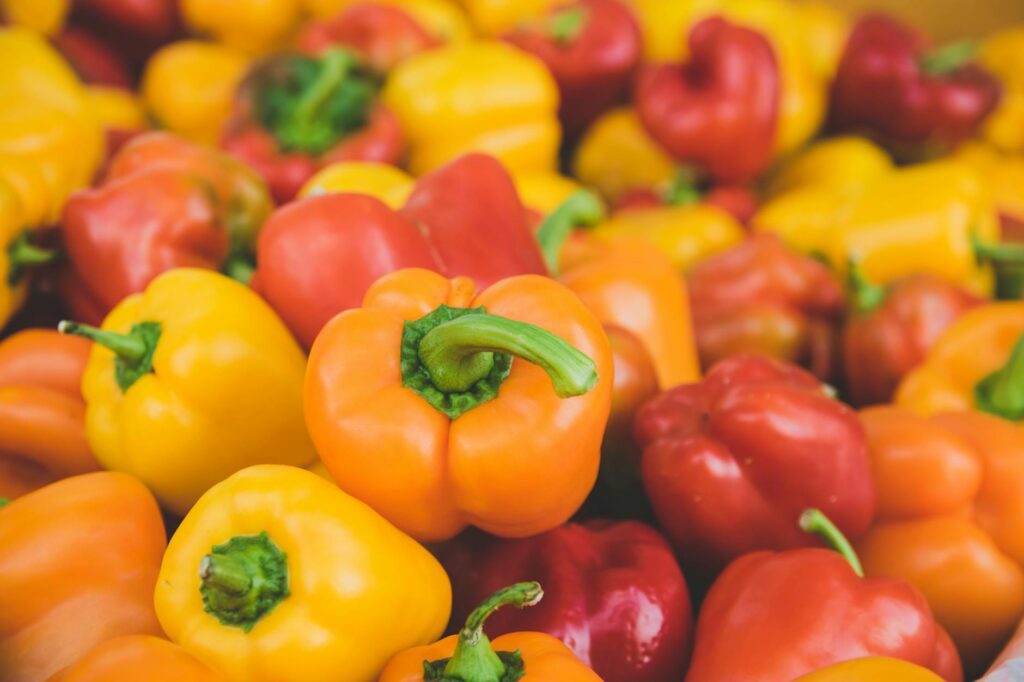
Bell peppers are often overlooked in favor of more “trendy” superfoods like beet, but they quietly support immune function, eye health, skin vitality, and more. Whether red, yellow, orange, green, or even purple, bell peppers offer an impressive list of vitamins, antioxidants, and fiber with minimal calories.
In this article, we explore what bell peppers are, their science-backed health benefits, their unique nutrient profile, and frequently asked questions to help you make the most of this humble vegetable.
What Are Bell Peppers?
Bell peppers (Capsicum annuum) are the non-spicy, sweet members of the capsicum family. Botanically a fruit (because they contain seeds), they’re typically used as a vegetable in culinary settings. Unlike chili peppers, bell peppers lack capsaicin, the compound responsible for spiciness.
They come in a rainbow of colors:
- Green bell peppers are harvested early and tend to be slightly bitter.
- Red, yellow, and orange peppers are fully ripened and sweeter.
- Purple and white varieties are less common but offer unique flavors and phytonutrients.
Nutritional Profile of Bell Peppers
Here’s the nutritional breakdown for 1 cup (92g) of raw red bell pepper:
| Nutrient | Amount | % Daily Value |
| Calories | ~39 kcal | 2% |
| Carbohydrates | ~9 g | 3% |
| Dietary Fiber | ~3 g | 12% |
| Protein | ~1.5 g | 3% |
| Fat | ~0.5 g | <1% |
| Vitamin C | ~190 mg | 211% |
| Vitamin A (RAE) | ~150 mcg | 17% |
| Folate | ~40 mcg | 10% |
| Potassium | ~314 mg | 9% |
| Vitamin B6 | ~0.3 mg | 20% |
Different colors slightly vary in their nutrient profiles, with red generally offering the highest antioxidant and vitamin content due to its ripeness.
Health Benefits of Eating Bell Peppers
Exceptionally High in Vitamin C
Bell peppers, particularly red ones, are among the richest dietary sources of vitamin C, a critical antioxidant that supports:
- Immune defense
- Skin collagen synthesis
- Wound healing
- Iron absorption from plant sources
One medium red bell pepper contains over 150 mg of vitamin C, more than twice the daily recommended intake, and significantly more than an orange.
Rich in Antioxidants and Anti-inflammatory Compounds
Bell peppers are full of phytonutrients that help reduce oxidative stress and inflammation. Key antioxidants include:
- Capsanthin (red peppers)
- Violaxanthin (yellow)
- Lutein and zeaxanthin (green)
- Beta-carotene and quercetin
These compounds help neutralize free radicals that contribute to aging, heart disease, and some cancers. Regular consumption may lower the risk of chronic inflammation-driven conditions, including type 2 diabetes and arthritis.
Supports Eye Health
Bell peppers contain lutein and zeaxanthin, carotenoids that protect the retina from light-induced oxidative damage. These nutrients can:
- Reduce the risk of age-related macular degeneration (AMD)
- Protect against cataracts
- Improve visual performance in bright light
Green and yellow peppers are particularly rich in these eye-healthy pigments.
May Help Prevent Anemia
Bell peppers help combat iron-deficiency anemia through two mechanisms:
- They provide a modest amount of non-heme iron.
- Their high vitamin C content enhances iron absorption, especially from plant-based foods like lentils, beans, and leafy greens.
This makes them a smart pairing with iron-rich meals for vegetarians and vegans.
Promotes Healthy Skin and Hair
The vitamin C, A, and B6 in bell peppers support:
- Collagen production, essential for skin elasticity and structure
- Faster skin regeneration and wound healing
- Improved scalp circulation and hair growth
Beta-carotene (a precursor to vitamin A) helps prevent dry skin, acne, and signs of aging by supporting cell turnover.
Cardiovascular Protection
Bell peppers contribute to heart health in several ways:
- Potassium helps balance sodium levels and regulate blood pressure.
- Fiber lowers cholesterol by reducing LDL levels.
- Antioxidants reduce vascular inflammation and oxidative damage.
A diet high in colorful vegetables, including bell peppers, is associated with a reduced risk of heart attack and stroke.
Supports Weight Management and Satiety
With fewer than 40 calories per cup, high water content, and dietary fiber, bell peppers are ideal for:
- Promoting fullness without calorie overload
- Reducing cravings with natural sweetness
- Supporting digestive health and blood sugar regulation
Their bright color and crunch also enhance the visual and textural appeal of meals, increasing meal satisfaction.
How to Use Bell Peppers in Your Diet
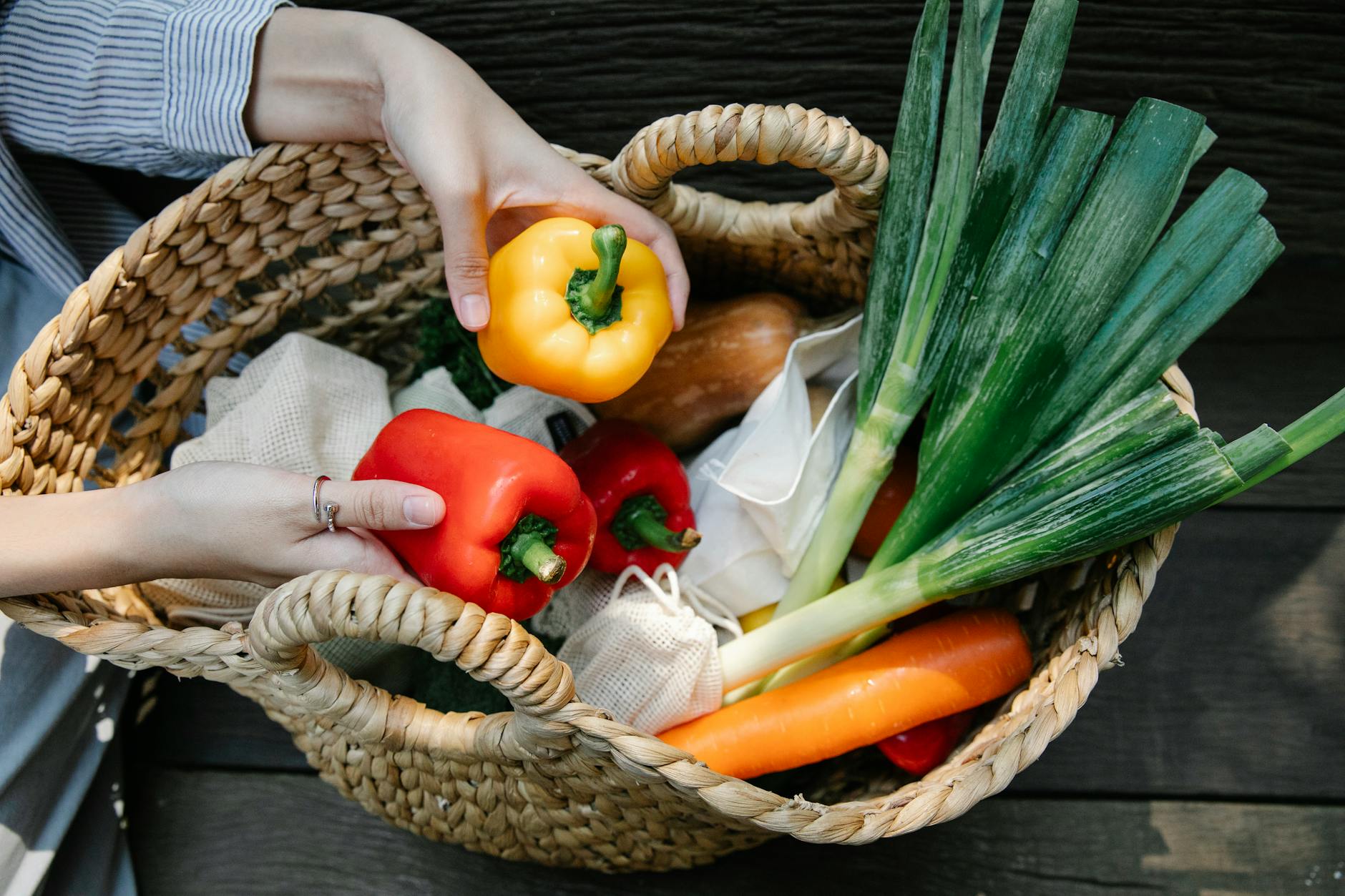
Bell peppers are one of the most versatile vegetables, and they retain much of their nutrition even when cooked. Here are popular ways to enjoy them:
- Raw: Sliced in salads, dipped in hummus, or as a crunchy snack
- Roasted: Brings out natural sweetness—great in pasta or sandwiches
- Stuffed: With rice, quinoa, meat, or vegetables
- Grilled: Pairs well with meats or plant-based proteins
- Stir-fried or sautéed: Ideal for quick meals with added flavor
- Pureed: For soups, sauces, and dips
To preserve vitamin C, aim for light cooking methods such as steaming or quick stir-frying.
Frequently Asked Questions (FAQ)
Can I eat bell peppers raw?
Yes. Bell peppers are delicious raw and retain the most vitamin C when uncooked. They’re safe and healthy to eat raw in salads, wraps, or on their own.
Are bell peppers good for digestion?
Yes. Bell peppers contain dietary fiber, which aids digestion and supports gut health. However, some people may experience bloating from the skin—light cooking can help reduce this.
Are red peppers healthier than green?
Yes. Red bell peppers are fully ripened, meaning they have more antioxidants, vitamin A, and vitamin C than green peppers. Green peppers are simply unripe versions of red.
Do bell peppers help with weight loss?
Absolutely. Low in calories, high in water and fiber, and naturally sweet, bell peppers are a smart addition to any weight-loss plan.
Are there any allergy concerns?
Bell peppers are part of the nightshade family, so people with sensitivities to nightshades (e.g., tomatoes, eggplants) may react to them. Symptoms might include inflammation, digestive upset, or allergic reactions in rare cases.
Wrapping Up
Bell peppers are among the most accessible, affordable, and nutrient-packed vegetables you can include in your diet. Rich in vitamin C, antioxidants, and dietary fiber, they support immunity, heart health, eye protection, and weight management, without compromising flavor or versatility.
With their vibrant colors and distinct nutrient profiles, bell peppers are a true example of food as medicine. Whether raw, roasted, or sautéed, they’re an easy way to brighten your meals and supercharge your health.
