

A swollen belly isn’t always about overeating. Sometimes, your gut is simply sending an alarm. Bloating is the result of trapped gas, sluggish digestion, or fluid retention. It can stem from stress, food sensitivities, or even how fast you chew.
In this article, we’ll explore effective and natural ways to ease that belly bloat, methods backed by everyday results, not just theory. Expect options you can start today, from easy diet shifts to smart home remedies.
Hydration with a Twist

Infusing water with lemon, cucumber, or mint may support digestion and help flush out excess sodium, a common cause of water retention and bloat. These additions can act as mild diuretics and improve hydration efficiency.
Coconut water is another solid choice; it’s packed with potassium, which helps counterbalance sodium and reduce swelling. Avoid sugary sports drinks’, they often do more harm than good for a bloated belly.
Ginger and Peppermint

When your belly feels like a balloon, ginger and peppermint can help deflate it fast. They have both been used for centuries to calm the digestive tract and reduce gas buildup. A cup of peppermint or ginger tea after meals supports motility, the muscle contractions that move food through your gut.
These herbs also relax the intestinal muscles, making them useful for cramping and spasms. For fast relief, try this simple remedy. Soak thin sliced pieces of fresh ginger or a peppermint tea bag in hot water for 5 minutes, then sip the tea slowly.
Eat Slowly, Chew Properly

One simple way to reduce bloating is to chew your food thoroughly, and savor each bite, rather than gobbling it down quickly. This helps your body digest more efficiently. Eating too quickly means you’re likely swallowing air, which contributes to that puffy feeling in your gut. It also makes it difficult for your stomach to properly signal fullness, leading to overeating.
Aim to chew each bite for at least 15 to 20 times. It sounds excessive, but slowing down can ease the load on your digestive system. You’ll notice a difference in both how your stomach feels and how you absorb nutrients.
Activated Charcoal
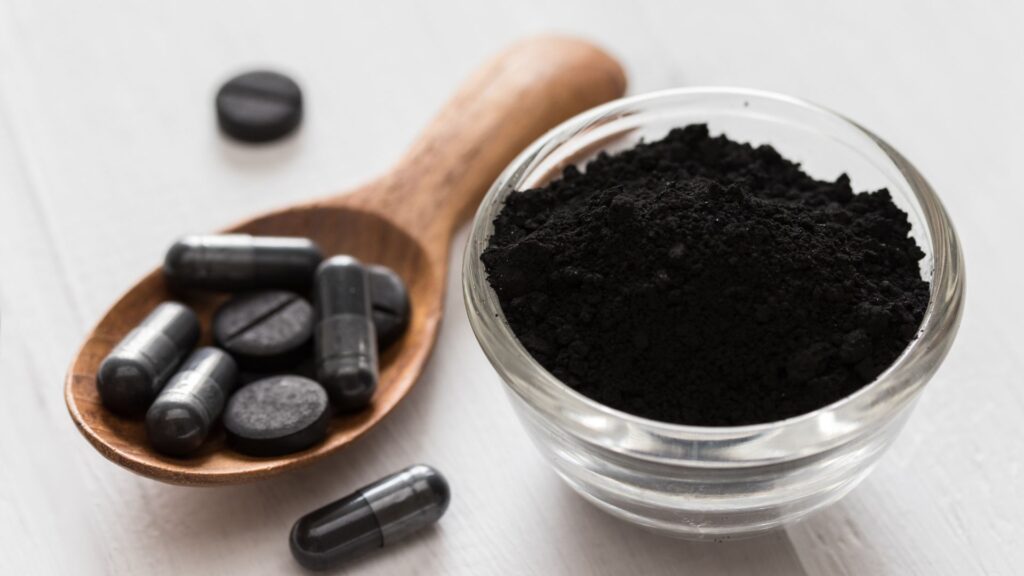
Activated charcoal can be effective when used correctly. It works by trapping excess gas in the gut, helping to relieve bloating caused by fermentation of undigested food.
Only use it occasionally, think of it as a backup, not a daily remedy. Choose food-grade capsules and avoid using them around the time you take medications or supplements, as charcoal can interfere with absorption.
Avoid Common Bloat-Trigger Foods

Some foods naturally create gas during digestion, and reducing them can provide noticeable relief. Beans, broccoli, cabbage, onions, and carbonated drinks are frequent culprits. For some people, dairy and gluten can also be bloating triggers due to enzyme deficiencies.
Start by eliminating one item at a time and tracking how you feel. This method helps you pinpoint your unique triggers without drastically overhauling your entire diet.
Low-FODMAP Diet
For more persistent bloating, consider trying a low-FODMAP diet (Fermentable Oligo-, Di-, Mono-saccharides, and Polyols). This approach limits fermentable sugars that feed gut bacteria and lead to gas. It’s especially effective for those with IBS (irritable bowel syndrome) or sensitive digestive systems.
A short trial of 2 to 6 weeks can offer insight into which foods are problematic for you. Afterward, foods can be gradually reintroduced to see what your body tolerates best.
Abdominal Massage and Movement

When bloat strikes, your body needs a nudge. Gentle belly massages, particularly in a clockwise direction, can stimulate digestion and gas release. Using essential oils like peppermint or fennel may add a soothing effect.
Light movement after meals, like a short walk, also keeps things moving. Lying down or slouching slows digestion, which only makes bloating worse. Aim for 10 to 15 minutes of walking or light stretching.
Apple Cider Vinegar
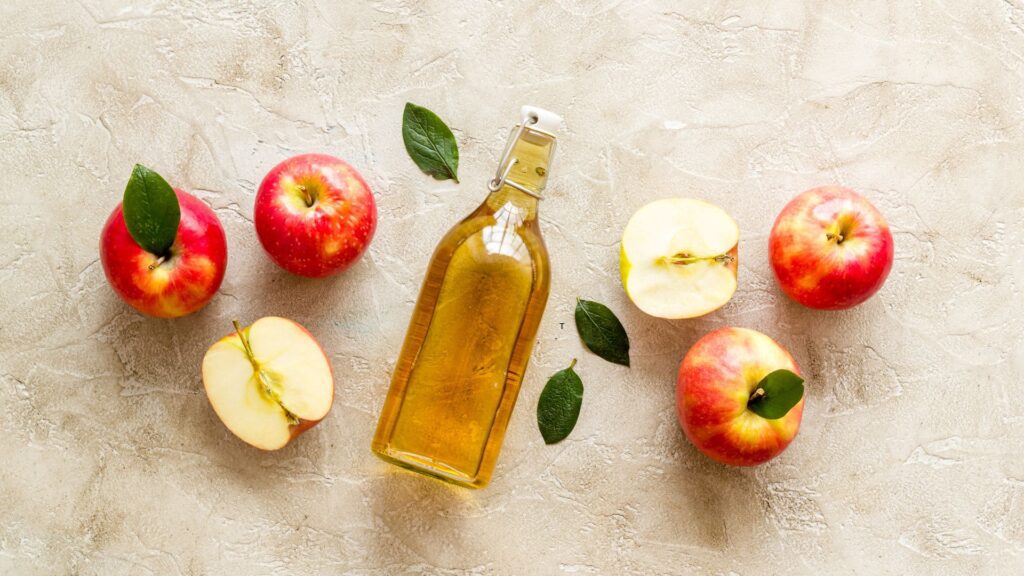
Taking one tablespoon of apple cider vinegar in a glass of water before meals, may assist with stomach acid production. This is particularly useful if your bloating is due to slow digestion or low stomach acid.
Start with a small amount and build up as needed. Always dilute it because vinegar can irritate your throat and teeth. This remedy is most effective before heavy or protein-rich meals.
Conclusion
You don’t have to suffer from a bloated belly. These natural remedies are practical and fast-acting, helping to reduce discomfort and support your digestive system.
Consistency is key; the more you tune into your habits and triggers, the easier it gets to manage bloat. Try these remedies in small steps and watch how your body responds. Relief isn’t far away; it just starts with the right change.