
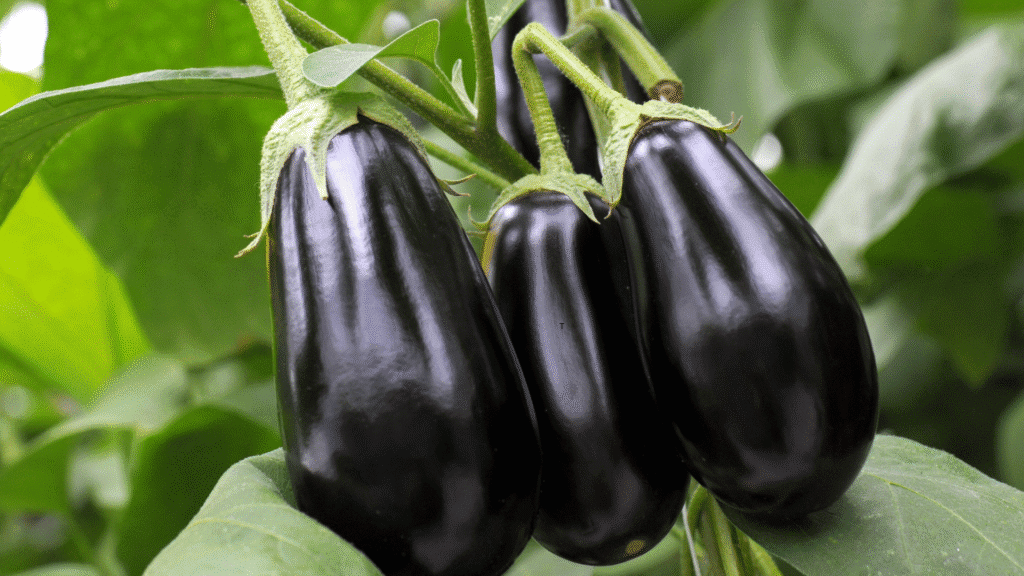
Aubergines is overlooked in many American kitchens, often overshadowed by more familiar options like zucchini or bell peppers. But aubergine deserves a spot on your plate, and once you understand what it offers, you will probably start reaching for it a lot more.
First, a quick note on the name. If you are American, you likely know this vegetable as eggplant. Aubergine is simply the British term for the exact same thing. Both words refer to the same deep-purple, spongy vegetable that shows up in dishes from Greece, India, the Middle East, and beyond. Throughout this article, you will see both names used interchangeably.
This guide covers everything you need to know about aubergine: its nutrition profile, its science-backed health benefits, who should be careful about eating it, how to pick and store it, and the best ways to cook it so you get the most out of every bite.
What Is Aubergine and Why Does It Have Two Names?
Aubergine goes by many names depending on where you are in the world. Americans call it eggplant. The British, Irish, and New Zealanders call it aubergine. In parts of India, Bangladesh, and South Africa, it is called brinjal. All of these names refer to the same plant.
Botanically speaking, aubergine is actually a fruit. It grows from the flower of the plant and contains seeds, which technically puts it in the same botanical category as tomatoes and cucumbers. But in the kitchen, it is treated as a vegetable because of its savory flavor and the way it cooks.
Aubergine belongs to the nightshade family, a group of plants that also includes tomatoes, peppers, and potatoes. It originated in South and East Asia, where it has been cultivated for thousands of years. From there, it spread along trade routes into Mediterranean cooking, Middle Eastern cuisine, and eventually into kitchens across Europe and the Americas.
Today, aubergine is a staple ingredient in dishes like Greek moussaka, Italian parmigiana, French ratatouille, and Indian baingan bharta. It is one of the most globally versatile vegetables you can buy.
Aubergine Nutrition Facts
One of the best things about aubergine is how much nutritional value it delivers for very few calories. Here is what you get in a standard 100-gram serving of raw aubergine, based on USDA FoodData Central data.
- Calories: approximately 25 kcal
- Carbohydrates: approximately 6 grams
- Dietary fiber: approximately 3 grams
- Protein: approximately 1 gram
- Fat: less than 0.2 grams
- Water content: approximately 92 percent
Aubergine is one of the most water-dense vegetables you can eat, which makes it filling without being calorie-heavy. Its carbohydrate content is low, and its glycemic index is also low, meaning it does not cause sharp spikes in blood sugar when eaten in normal portions.
On the vitamin front, aubergine provides a useful range of B vitamins, including thiamine (B1), pyridoxine (B6), and folate. These vitamins support energy metabolism, brain function, and cell production. You also get small amounts of vitamin C and vitamin K.
The mineral content is worth paying attention to too. Aubergine contains potassium, which supports healthy blood pressure. It also provides manganese, magnesium, and copper, all of which play roles in bone health, enzyme function, and energy production.
One important note about the nutrition: a significant portion of aubergine’s antioxidant content sits in the skin. The deep purple color comes from a compound called nasunin, and peeling the skin removes most of it. More on that shortly.
Also worth knowing: cooking changes the nutrient profile slightly. Water-soluble vitamins like vitamin C can decrease with heat, while some antioxidant compounds become more bioavailable after cooking. The cooking method matters, and you will find a full breakdown of that later in this article.
The Main Health Benefits of Aubergine

Aubergine is not just a low-calorie filler. It contains a range of compounds that have been studied for their effects on human health. Here is what the research suggests.
It Is Packed With Antioxidants, Especially Nasunin
The purple skin of aubergine gets its color from nasunin, a type of anthocyanin antioxidant. Nasunin is the compound that makes aubergine stand out nutritionally from most other vegetables.
Research has shown that nasunin helps protect cell membranes from oxidative damage caused by free radicals. Free radicals are unstable molecules that damage cells over time and are linked to aging and chronic disease. Nasunin essentially acts as a shield around your cells.
What makes nasunin particularly interesting is its connection to brain health. Studies suggest it may help protect the lipids in brain cell membranes, which is significant because the brain has one of the highest concentrations of fat of any organ in your body. While the research is still developing, early findings are encouraging.
The takeaway: eat the skin. That is where most of the nasunin lives.
Chlorogenic Acid May Help Control Blood Sugar
Aubergine is one of the richest dietary sources of chlorogenic acid, a polyphenol antioxidant found in several plant foods. Chlorogenic acid has been studied extensively for its role in metabolic health.
Research published in peer-reviewed journals suggests that chlorogenic acid can help slow the absorption of glucose in the digestive tract and improve insulin sensitivity. For anyone trying to manage blood sugar levels or reduce the risk of type 2 diabetes, this is a meaningful benefit.
It is important to be measured here. Eating aubergine will not reverse diabetes, and it should never replace medical treatment. But as part of a balanced diet, the chlorogenic acid content gives you a genuine metabolic advantage.
It Supports Heart Health
Your heart benefits from aubergine in several ways at once. The combination of dietary fiber, potassium, and antioxidants works together to support cardiovascular health.
Dietary fiber helps lower LDL cholesterol, often called bad cholesterol, by binding to it in the digestive tract and helping the body excrete it. Potassium supports healthy blood pressure by counteracting the effects of sodium.
And the antioxidants, particularly the anthocyanins in the skin, help reduce LDL oxidation, which is one of the key processes that leads to plaque buildup in arteries.
It Can Help With Weight Management
If you are trying to manage your weight, aubergine is one of the most practical vegetables you can add to your meals. Here is why.
At around 25 calories per 100 grams and 92 percent water content, you can eat a generous portion of aubergine without making a significant dent in your daily calorie budget. The fiber content adds to this advantage by slowing digestion and making you feel fuller for longer after eating.
Fiber also reduces the rate at which your stomach empties, which blunts hunger signals between meals. Replacing higher-calorie ingredients with aubergine in dishes like pasta, casseroles, or stir-fries can meaningfully reduce the total calorie count of a meal without sacrificing volume or satisfaction.
It Supports Gut Health
Your gut bacteria thrive on dietary fiber, and aubergine provides both soluble and insoluble forms. Soluble fiber dissolves in water and forms a gel-like substance in the digestive tract.
This feeds beneficial gut bacteria, helping maintain a healthy microbiome. Insoluble fiber adds bulk to stool and supports regular bowel movements, reducing the risk of constipation.
A healthy gut microbiome is connected to far more than digestion. Research increasingly links gut health to immune function, mood regulation, and even cognitive performance. Adding more fiber-rich vegetables like aubergine to your regular diet is one of the simplest things you can do to support your digestive system.
It Has Anti-Inflammatory Properties
Chronic inflammation is a contributing factor in a wide range of conditions, from heart disease to arthritis to certain cancers. Aubergine contains several compounds, including polyphenols and flavonoids, that have demonstrated anti-inflammatory activity in laboratory research.
This does not mean aubergine is a treatment for any inflammatory condition. But as part of a consistent diet built around whole, plant-based foods, it contributes to reducing the overall inflammatory load on your body. That is a meaningful long-term benefit.
It Supports Bone Health
This is one of the benefits that most aubergine articles skip entirely, so pay attention here. Aubergine contains manganese, copper, vitamin K, and magnesium. These are all nutrients that play a role in bone density and calcium metabolism. Manganese is essential for the formation of bone cartilage.
Copper helps maintain connective tissue. Vitamin K activates proteins involved in bone mineralization. Magnesium supports the structural development of bone.
None of these are present in very high amounts in a single serving of aubergine, but when you eat it regularly as part of a varied diet, the cumulative contribution to bone health is real.
Is Aubergine Good for You? What Different Groups Should Know
People Managing Diabetes
Aubergine has a low glycemic index, which means it causes a slower, more gradual rise in blood sugar compared to higher-GI foods. The chlorogenic acid content adds another layer of metabolic benefit. For people managing type 2 diabetes or trying to prevent it, aubergine is a smart, practical vegetable choice.
People Focused on Weight Loss
With its low calorie density, high water content, and fiber-driven satiety, aubergine is one of the most useful vegetables for anyone working toward a calorie deficit. It is also filling enough to serve as a meat substitute in dishes like stuffed eggplant or eggplant parmesan, reducing overall calorie intake without leaving you hungry.
Pregnant Women
Aubergine contains folate, a B vitamin that is critical for fetal neural tube development during early pregnancy. However, pregnant women should eat aubergine cooked rather than raw, and in moderate amounts, since raw aubergine contains higher concentrations of solanine (discussed below).
Vegetarians and Vegans
Aubergine is a staple in plant-based cooking for good reason. Its spongy, meaty texture makes it one of the best vegetables for replacing meat in recipes. It is a solid source of plant-based fiber and micronutrients, and it absorbs marinades and sauces exceptionally well, making it deeply satisfying in savory dishes.
Who Should Be Cautious With Aubergine?
Aubergine is safe and healthy for most people, but there are a few situations where you should be more thoughtful about how much you eat.
Solanine Sensitivity
Aubergine belongs to the nightshade family, which means it naturally contains small amounts of solanine, a compound that acts as a natural pest deterrent in the plant. In the quantities found in food, solanine is not harmful to most people.
However, some individuals report sensitivity to nightshade vegetables and may experience joint pain, digestive discomfort, or inflammation when eating them regularly.
If you suspect you have a nightshade sensitivity, it is worth tracking your symptoms and speaking with a registered dietitian before eliminating the whole food group.
Oxalate Content
Aubergine contains oxalates, naturally occurring compounds that can contribute to kidney stone formation in people who are prone to this condition. If you have a history of calcium oxalate kidney stones or are managing gout, it is worth moderating your intake and consulting your doctor.
Medication Interactions
Very high, consistent intake of aubergine could theoretically interact with certain medications, including blood thinners, due to its vitamin K content. This is not a concern at normal dietary levels, but if you are on medication and planning to eat aubergine very frequently, it is worth a quick conversation with your healthcare provider.
How to Pick and Store Aubergine
Knowing how to choose a good aubergine at the store makes a real difference in flavor and texture when you cook it.
When picking aubergine, look for a firm, heavy fruit with smooth, shiny skin. The color should be deep and even with no soft spots, wrinkles, or brown patches. The stem and cap should look fresh and green, not dried out or moldy. A dull skin is often a sign that the aubergine is past its best.
Here is a useful tip: smaller aubergines tend to be less bitter than larger ones. The bigger ones have had more time to develop seeds, and more seeds usually means more bitterness. If bitterness is a concern, reach for the smaller ones.
For storage, aubergine is a little more sensitive than most vegetables. It does not love cold, so the refrigerator is fine for short-term storage but can cause the skin to deteriorate. At room temperature, a fresh aubergine will keep well for up to two days. In the refrigerator crisper drawer, it will last up to a week.
Keep aubergine away from apples, bananas, and other ethylene-producing fruits, which accelerate ripening and can cause it to deteriorate faster.
How to Cook Aubergine: Methods Compared
This is where most aubergine articles fall short. Different cooking methods affect both the flavor and the nutrient content of aubergine, so it is worth understanding your options before you start cooking.
Roasting
Roasting is one of the best methods for bringing out aubergine’s natural sweetness. The dry heat of the oven caramelizes the sugars on the surface, creating deep, rich flavor with a tender interior.
Roasting requires minimal oil and preserves most of the vegetable’s nutrients. Cut into cubes or thick slices, toss with a little olive oil and seasoning, and roast at 400 degrees Fahrenheit for 25 to 30 minutes.
Grilling or Barbecuing
Grilling gives aubergine a smoky, slightly charred flavor that is hard to replicate any other way. Slice it lengthwise into planks about half an inch thick, brush lightly with olive oil, and grill over medium-high heat for four to five minutes per side. This is one of the fastest cooking methods and works beautifully for summer cookouts.
Pan-Frying or Sauteing
Pan-frying is common but comes with a catch: aubergine acts like a sponge and will absorb a large amount of oil if you are not careful.
The best way to manage this is to salt your sliced aubergine and let it sit for 20 to 30 minutes before cooking. This draws out moisture, which reduces the amount of oil the aubergine absorbs during cooking. Pat the slices dry before they go into the pan.
Steaming
Steaming is the gentlest cooking method and the one that best preserves water-soluble vitamins like vitamin C and the B vitamins. The texture is softer and less complex than roasted or grilled aubergine, but steaming works very well in Asian-inspired dishes where a delicate, silky texture is the goal.
Baking in Dishes
Aubergine baked into dishes like moussaka, eggplant parmesan, or casseroles benefits from slow, even heat that allows flavors to integrate deeply. Layering sliced aubergine with tomato sauce, cheese, or spiced meat creates a dish that is greater than the sum of its parts. Moderate nutrient retention depending on cooking time.
Braising or Stewing
Braising aubergine in liquid, whether that is a tomato-based sauce, a curry broth, or a spiced stew, creates incredibly tender, flavorful results. The liquid retains the water-soluble nutrients that might otherwise evaporate with dry-heat methods. This is a particularly good technique for hearty, warming weeknight meals.
One final note on cooking: leave the skin on wherever possible. The skin contains the highest concentration of nasunin and other antioxidants. It softens during cooking and is perfectly edible in all of the methods described above.
Simple Aubergine Dishes Worth Trying
You do not need a complicated recipe to get started with aubergine. Here are six dishes that showcase what this vegetable can do.
Baba ganoush is a Middle Eastern smoky dip made by charring whole aubergine directly over a flame or under a broiler, then blending the flesh with tahini, lemon, and garlic. It is creamy, rich, and completely plant-based.
Moussaka is a Greek layered bake made with spiced ground meat, sliced aubergine, and a creamy bechamel sauce on top. It is hearty, warming, and deeply satisfying.
Eggplant parmigiana is an Italian-American classic that layers breaded and fried eggplant slices with marinara sauce and melted mozzarella. Baked versions are a lighter alternative.
Ratatouille is a French Provencal vegetable stew that combines aubergine with zucchini, tomatoes, bell peppers, and herbs. It works as a main dish or a side, hot or at room temperature.
Spiced aubergine curry is an everyday staple across South Asian cooking, featuring aubergine cooked down in a spiced tomato and onion base until it is completely tender. Baingan bharta is one of the most popular versions.
Roasted aubergine with tahini and pomegranate is a modern restaurant-style dish you can easily make at home. Roast thick aubergine slices, drizzle with tahini sauce, and scatter pomegranate seeds over the top. It looks impressive and takes under 40 minutes.
FAQs
What does aubergine taste like?
When properly cooked, aubergine has a mild, slightly earthy flavor with a creamy, almost meaty texture. One of its most useful qualities is that it absorbs the flavors around it very well, whether that is olive oil and garlic, spices in a curry, or smoke from a grill.
Is the skin of aubergine edible?
Yes, and you should eat it. The skin is the most nutritious part of the vegetable, containing the highest concentration of nasunin and other antioxidants. It softens during cooking and has no unpleasant texture when the aubergine is properly cooked.
Can aubergine help lower cholesterol?
The dietary fiber in aubergine can help reduce LDL cholesterol by binding to it in the digestive system. The antioxidants also help reduce LDL oxidation. While aubergine alone is not a cholesterol treatment, including it regularly in a heart-healthy diet supports better cholesterol management over time.
The Bottom Line
Aubergine is one of the most nutritionally underrated vegetables in the American grocery store. It is low in calories, high in fiber, loaded with antioxidants, and backed by real research connecting it to heart health, blood sugar control, weight management, and more.
Whether you roast it, grill it, bake it into a casserole, or blend it into a smoky dip, aubergine rewards you with rich flavor and meaningful nutrition. Keeping the skin on maximizes the antioxidant benefit.
If you want to eat more plant-based foods, reduce your calorie intake without feeling deprived, or simply add more variety to your meals, aubergine is one of the smartest vegetables you can put in your cart. Give it a try this week and see what you have been missing.