
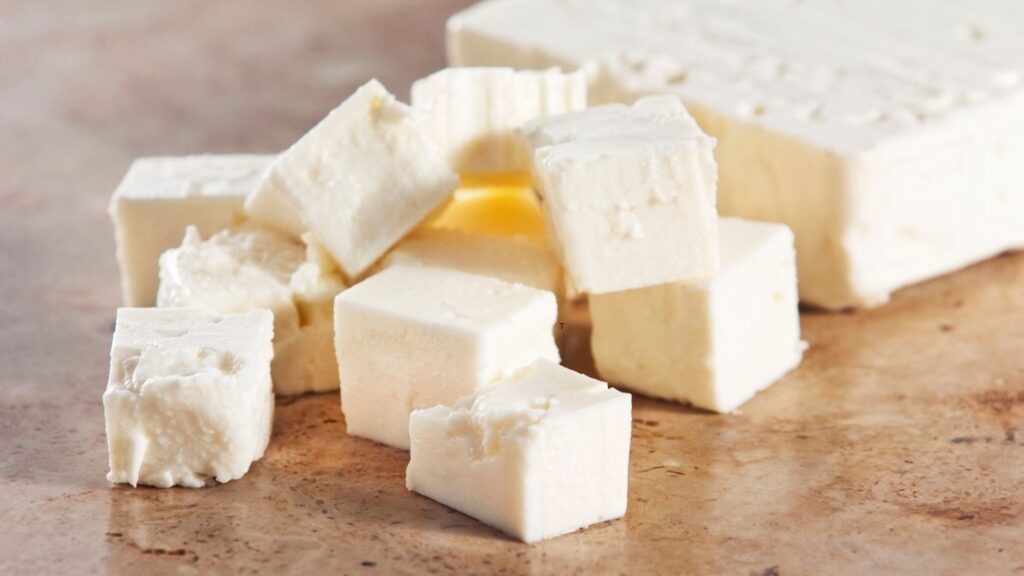
Feta cheese is a brined white cheese traditionally made from sheep’s milk or a mix of sheep and goat’s milk. It has a crumbly texture and a sharp, tangy flavor that makes it a popular addition to salads, sandwiches, and dips.
For pregnant women, however, the safety of certain cheeses becomes a real concern. In this article, we’ll take a clear look at the safety of eating feta cheese during pregnancy.
You’ll learn how it’s made, what risks may be involved, and how to make safer choices if you’re expecting.
Table of Contents
ToggleWhat Makes Feta Cheese a Concern During Pregnancy?
Feta cheese often raises concerns during pregnancy because it’s a type of soft cheese. Soft cheeses have higher moisture content, which can create a favorable environment for bacteria like Listeria monocytogenes to grow. This bacteria can cause listeriosis, an infection that can be dangerous during pregnancy.
While not all soft cheeses are unsafe, the method of production matters. If feta is made from raw, unpasteurized milk, the chance of bacterial contamination increases. Pregnant women are advised to avoid unpasteurized dairy products for this reason.
Why Listeria Is Taken Seriously
- Listeria can cross the placenta and affect the unborn baby.
- It may lead to miscarriage, premature labor, or stillbirth.
- In newborns, it could cause serious infections like meningitis.
Pasteurized Feta Cheese Is Considered Safe
Not all feta cheese is off-limits. When made from pasteurized milk, it’s typically safe to eat during pregnancy. Pasteurization involves heating milk to a specific temperature to kill harmful bacteria, including Listeria.
In many countries, most commercially sold cheeses are pasteurized, but labels should still be checked. Pregnant women should only choose feta cheese that clearly states “made from pasteurized milk” on the packaging.
Tips to Check Before You Buy
- Look for “pasteurized milk” on the label.
- Ask at restaurants or delis if you’re unsure.
- Avoid cheese from farmers’ markets or imported sources if the pasteurization status isn’t clear.
How to Enjoy Feta Cheese Safely While Pregnant
Feta can still be part of your meals if handled and cooked the right way. Cooking feta at high temperatures (above 165°F or 74°C) kills bacteria, including any Listeria that may be present.
Even unpasteurized feta, if thoroughly cooked, becomes safe to consume. This means baked feta in a hot dish or grilled on top of a pizza can be a safer option.
Safe Ways to Use Feta in Meals
- Baked into casseroles or quiches
- Sprinkled on hot pasta dishes fresh from the stove
- Cooked into savory pies like spanakopita
Avoid using raw feta in cold dishes unless you’re sure it’s pasteurized.
Signs to Watch for After Eating Unsafe Cheese
If you accidentally consume unpasteurized feta or are unsure of its safety, it’s important to monitor how you feel. Symptoms of listeriosis may appear days or even weeks later.
Common Symptoms Include:
- Fever and chills
- Muscle aches
- Nausea or diarrhea
- Headache or confusion (in severe
- cases)
If any of these symptoms develop, especially if you’ve eaten unverified cheese, contact your healthcare provider immediately.
Alternatives to Feta Cheese for Expecting Mothers
If you prefer to stay cautious, there are several cheeses with a similar taste and texture that are safer during pregnancy.
These options are usually made with pasteurized milk and offer a satisfying substitute.
Pregnancy-Safe Cheese Options
- Ricotta (from pasteurized milk)
- Paneer
- Halloumi (when grilled)
- Pasteurized goat cheese
Always verify the label to confirm the milk source.
Conclusion
Pregnant women can safely eat feta cheese if it’s made from pasteurized milk or cooked to the right temperature. The key is knowing how the cheese is made and how it’s used in a dish. Understanding these details helps reduce any risk of listeriosis, keeping both mother and baby safe.
If in doubt, it’s always best to check the label or speak with a doctor.