
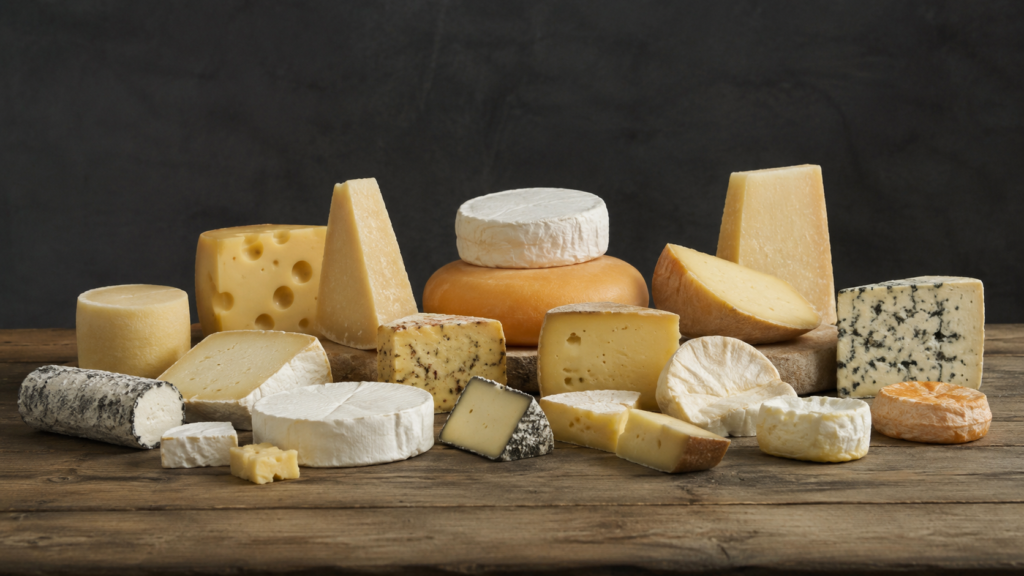
Craving foods like cheese, whether mozzarella, blue cheese, or ricotta salata cheese is completely normal. Cheese contains a protein called casein, which, when digested, releases casomorphins, which can have an opioid-like effect on your brain.
As a result, when you eat cheese, your body releases dopamine, a neurotransmitter that makes you feel good. In this post, you’ll learn about five possible reasons why you crave cheese and healthy alternatives to satisfy your cheese cravings.
Table of Contents
ToggleCommon reasons for craving cheese
You need a comfort meal
Cheese often features in comfort foods like pizza, mac and cheese, and grilled cheese sandwiches. These foods are typically associated with warmth, happiness, and nostalgia. When you’re feeling stressed or down, you might crave cheese as a way to recapture those comforting feelings.
Nutrient needs
Your body might crave cheese because it’s seeking the nutrients found in it. Cheese is a rich source of calcium, protein, and fats, all essential for our health. So, if you find yourself longing for cheese, it might be your body’s way of saying, “Hey, I need some calcium, protein, and fats!”
Habitual cravings
Think about your daily routines and environments. Do you snack on cheese while watching TV or during a work break?
These habitual associations can trigger cravings even when you’re not physically hungry. Your brain links certain activities with the pleasure of eating cheese, making it a go-to craving in those moments.
You love the flavor
Another reason you may crave cheese is because of its umami taste. The combination of fats, salts, and proteins in cheese creates a complex flavor profile that stimulates your taste buds.
Aged cheeses like Parmesan or Cheddar particularly have a more intense umami flavor, making them even harder to resist.
Hormonal changes in women
Hormonal fluctuations during menstrual cycles, pregnancy, or menopause, can trigger cravings for certain foods, including cheese. Hormones like estrogen and progesterone can influence appetite and food preferences.
Is craving cheese a sign of addiction?
While cheese craving isn’t the same as being addicted to a substance, it can involve similar mechanisms in the brain.
Casomorphins, the compounds released during cheese digestion, interact with opioid receptors, creating pleasurable sensations. This can lead to a strong desire for cheese, but it doesn’t mean you’re addicted in the clinical sense.
Why am I craving cottage cheese?
Cottage cheese cravings can be influenced by several factors. For those seeking a healthy, low-calorie snack, cottage cheese is often a go-to option. As a result, your body might crave it as a healthier alternative to other snacks.
Why am I craving blue cheese?
Blue cheese is rich in umami. If you crave strong, bold flavors, blue cheese might be your go-to. Additionally, some blue cheeses contain probiotics, which are beneficial bacteria for your gut health. Hence, a craving for blue cheese might be your body’s way of seeking out these helpful bacteria.
Why am I craving cream cheese?
Cream cheese is used in a variety of sweet and savory dishes, from bagels to cheesecakes. Craving cream cheese could be tied to a specific dish or culinary memory that brings you joy or satisfaction.
Like other cheeses, cream cheese is high in fats and calories, which can make it a desirable food when your body needs more energy.
Healthy alternatives to manage your cheese cravings
Now you know the possible reasons for craving cheese, let’s consider some alternatives to manage your cravings healthily. The following can provide similar flavors and textures to cheese:
Tahini
Tahini, made from ground sesame seeds, has a rich, nutty flavor that can complement many dishes. Use it in dressings, sauces, or as a dip. It adds a satisfying creaminess without the dairy.
Tofu
Try marinating and baking tofu to use in salads, sandwiches, or as a topping for pizza. Crumbled tofu can also serve as a substitute for ricotta in lasagna or stuffed shells.
Vegan cheese
There are many commercially available vegan cheeses made from ingredients like almonds, soy, or coconut oil. These products come in various flavors and forms, including shreds, slices, and blocks, making them a convenient substitute for traditional cheese.
Cashew cheese
Cashew cheese is a dairy-free substitute made from blended cashews, nutritional yeast, and various seasonings. It’s creamy, and tangy, and can be used in many recipes that call for cheese. Spread it on crackers or use it in pasta dishes.
Avocado
While it doesn’t taste like cheese, avocado offers a rich, creamy texture that can satisfy similar cravings. Use mashed avocado as a spread on toast, in wraps, or as a base for creamy dressings and sauces.
Hummus
Hummus is another great option for a creamy, savory snack. Spread it on crackers or use it as a dip for vegetables. You can also experiment with different flavors of hummus, like roasted red pepper or garlic, to keep things interesting.
Greek yogurt
For a tangy alternative, try Greek yogurt. It’s high in protein and can be used in place of cheese in many recipes. Use it as a base for creamy dressings, in baked goods, or as a topping for tacos and nachos.
Final thoughts: why do I crave cheese?
Cheese is delicious, and our brains know it. If you’re craving cheese, your body may simply be telling you it wants to feel good, especially during times of stress.
Furthermore, when you’re low on fats, calcium, or protein, your body might nudge you towards foods that are rich in these nutrients, such as cheese.