

Pickles are cucumbers that have undergone fermentation or pickling, typically in a solution of vinegar, water, and salt. This process not only imparts a unique flavor but also acts as a preservative. So, do pickles go bad?
Pickles are often seen as a food that can last indefinitely, but they are not resistant to spoilage. This article clarifies how long pickles last, how to spot spoilage, and the best ways to store prickles.
Shelf life of pickles: How long does it last?
The shelf life of pickles largely depends on the method of pickling and storage conditions. Commercially prepared pickles often have preservatives that extend their shelf life. These pickles, when unopened, can last for a considerable time, often up to two years.
Once opened, they should be kept in the refrigerator and can remain good for the same amount of time as their best-by date, though they are usually best consumed within a year for optimal taste and texture.
Homemade pickles have a shorter shelf life due to the lack of preservatives used in commercial products. Typically, they can last up to two months in the refrigerator.
Also read: why am I craving pickles?
How to know if pickles have gone bad
In this section, we highlight key indicators that determine if your pickles have gone bad:
- Change in smell: Fresh pickles have a characteristic tangy scent. If your pickles emit a sour or ammonia-like smell, it’s gone bad.
- Texture changes: Fresh pickles should be crisp. If you notice they’ve become excessively soft, slimy, or mushy, it’s an indication that they have gone bad.
- Gas bubbles: While some fermentation processes can produce gas (like in naturally fermented pickles), unexpected or excessive bubbling in the jar, especially in vinegar-based pickles, can indicate bacterial growth and spoilage.
- Bulging jar: For store-bought pickles, the integrity of the jar’s seal is a factor. If the lid bulges or shows signs of tampering, it’s best not to consume the product.
- Brine discoloration: The pickling solution should be relatively clear or have the color of the spices used in the pickling process. Cloudiness or a murky appearance can sometimes be normal, especially in homemade pickles, but if coupled with any sign of mold or yeast growth, it’s best to avoid consumption.
How to store pickles properly
Both commercially produced and homemade pickles have specific requirements to maximize their shelf life and quality:
Canning process
If you’re making pickles at home, it’s important to use sterilized jars and lids to minimize the risk of bacterial growth. The canning process should follow safe home-canning practices, which typically involve boiling the jars to create a vacuum seal. This seal is essential in preserving the pickles for a longer period.
Before opening
Keep unopened commercial pickle jars in a cool, dark place, like a pantry or a cupboard, away from direct sunlight or heat sources. This helps prevent the degradation of flavor and texture that can occur with exposure to light or fluctuating temperatures.
After opening
Once the seal is broken, it’s important to refrigerate the pickles. Refrigeration slows down the degradation process and keeps the pickles crisp. Ensure the lid is tightly sealed after each use to prevent contamination and oxidation.
Health benefits of pickled cucumbers
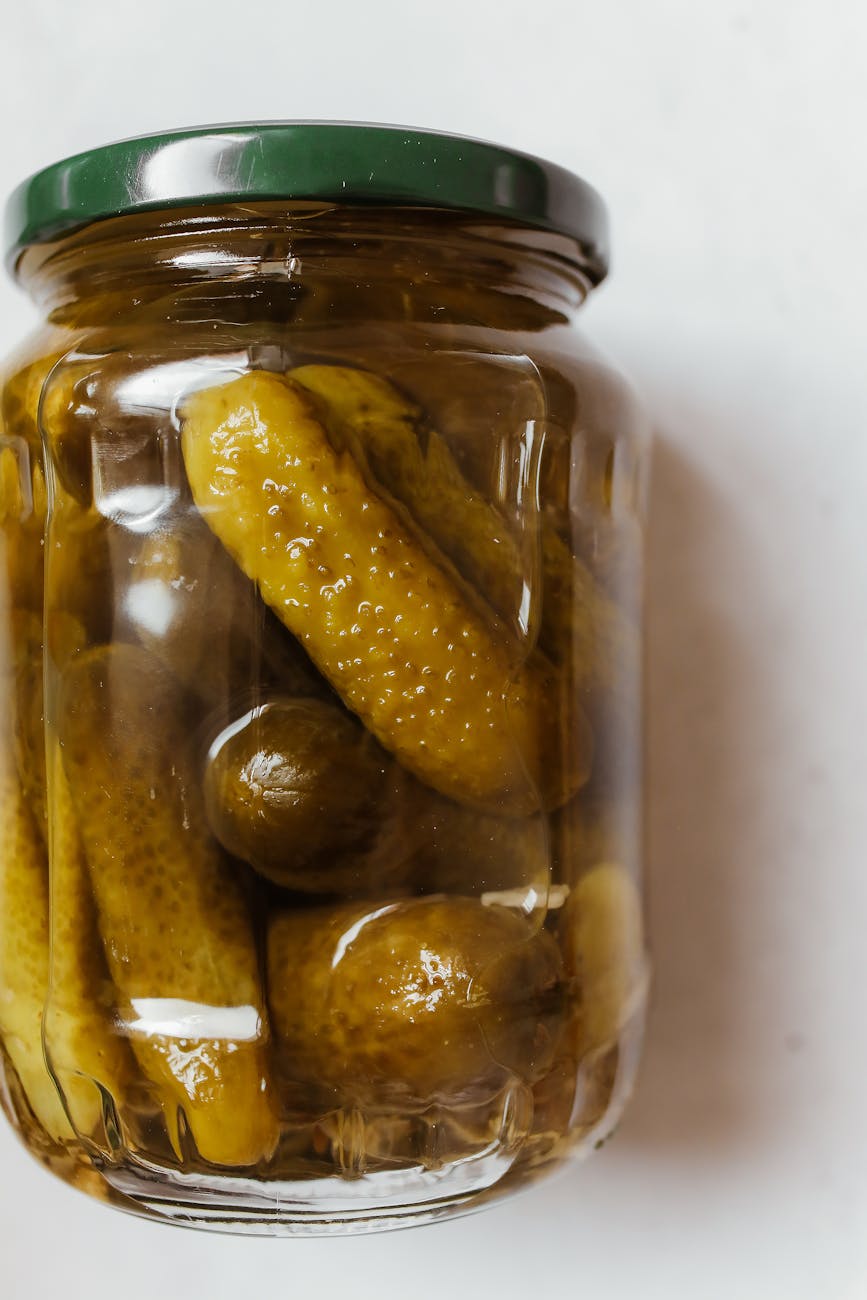
Apart from their longevity, pickles contain small amounts of vitamin K, essential for blood clotting, and vitamin A, beneficial for eye health. Below are some health benefits of pickled cucumbers:
- Low in calories: Pickles are a low-calorie option that can add flavor to meals without significantly impacting your daily calorie limit. This makes them a popular choice for weight loss diets.
- Contains antioxidants: Pickles contain antioxidants, which help combat free radicals in the body. These free radicals can cause oxidative stress, leading to chronic diseases. The cucumbers and spices used in pickling, like turmeric and dill, add to the antioxidant content.
- Aids hydration: Due to their water and sodium content, pickles can help maintain hydration and electrolyte balance, especially for athletes or those engaged in prolonged physical activity.
- May aid blood sugar control: According to Diabetes Action, vinegar, a key ingredient in pickles, can help lower blood sugar and reduce the need for added medications. Consuming vinegar-based pickles alongside a meal may help moderate blood sugar spikes, which is particularly beneficial for individuals with diabetes.
Also read: Does cinnamon go bad?
How do I pickle a cucumber?
Pickling cucumbers at home allows you to experiment with flavors and create a product that suits your taste perfectly. Here’s how to pickle a cucumber:
Ingredients
- Fresh cucumbers (small to medium-sized works best)
- Water
- White vinegar
- Pickling salt (or kosher salt)
- Fresh dill (or dill seeds)
- Garlic cloves (optional)
- Mustard seeds (optional)
- Black peppercorns (optional)
- Red pepper flakes (for a spicy kick, optional)
- Sterilized jars with lids
Instructions
- Sterilize your jars and lids by boiling them in water for about 10 minutes. This prevents contamination and ensures your pickles last longer.
- Wash the cucumbers thoroughly. Cut off the blossom end of the cucumber (it contains enzymes that can lead to softening). You can leave them whole, slice them into spears, or cut them into rounds, depending on your preference.
- In a pot, combine water, vinegar, salt, and sugar. Heat and stir until the salt and sugar are completely dissolved. Allow the brine to cool slightly.
- In each jar, add the dill, garlic cloves, mustard seeds, peppercorns, and red pepper flakes (if using).
- Next, tightly pack the cucumbers into the jars. Pour the brine over the cucumbers, ensuring they are completely submerged. Leave about a half-inch of headspace at the top of the jar.
- Lastly, seal the jars and store them in the refrigerator. They’ll be ready to eat in just a few days and last a few months. For longer storage, you can process the jars in a boiling water bath for 10 – 15 minutes, then remove and cool.
FAQs
Do pickles go bad if not refrigerated?
Absolutely, pickles can go bad if not refrigerated, especially after the jar has been opened. While the high vinegar content in pickles does provide a natural preservative, it’s not a foolproof method for indefinite preservation.
Is it OK to eat expired pickles?
If stored correctly and showing no signs of spoilage, pickles can often be safe to eat beyond the expiration date.
Can you reuse pickle brine?
Yes, you can reuse pickle brine for marinades or in recipes. However, it should not be reused for canning new batches of pickles as the preservative qualities are diminished, so it won’t last long.
Do dill pickles go bad?
Yes, dill pickles can go bad, although commercially packaged ones can last several months to a couple of years when unopened.
Also read: Shelf life of cornstarch: Does it go bad?
The bottom line: do pickles go bad?
In conclusion, while pickles are preserved through an acidic environment that significantly extends their shelf life, they are not impervious to spoilage.
Whether it’s the crunchy dill pickle or the sweet gherkin, you can enjoy your pickles for up to 2 years while reaping their nutritional benefits.