
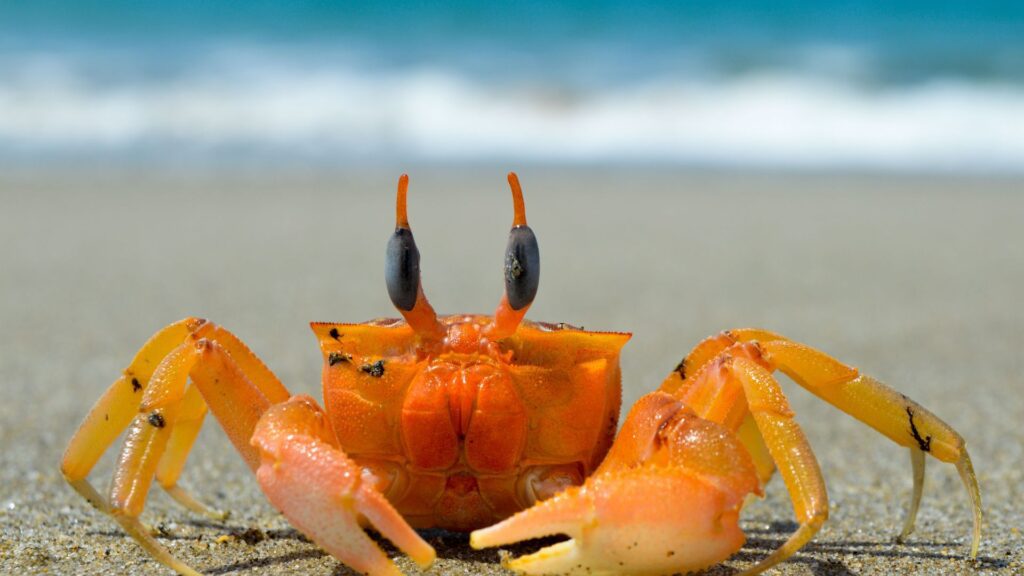
Crab mustard is the yellow or greenish substance inside a crab’s body cavity. Many people enjoy its rich, briny flavor, while others avoid it due to concerns about its contents.
This article explains crab mustard, its safety, and potential side effects. It also answers common questions about this seafood delicacy.
Table of Contents
ToggleWhat Is the Mustard in the Crab?
The mustard in a crab is the hepatopancreas, an organ that functions like a liver and pancreas. It helps filter impurities from the crab’s bloodstream and aids digestion.
This substance has a soft, creamy texture and intense seafood taste. Many seafood lovers appreciate it as a delicacy, especially when eaten with crab meat or used in sauces.
The color of crab mustard varies based on the crab’s diet and species. Blue crabs often have bright yellow mustard, while other species may have a darker green shade.
Is Crab Mustard Safe to Eat?
Eating crab mustard is generally safe, but it depends on where the crab was harvested. Since the hepatopancreas filters out toxins, crab mustard may contain pollutants from the water where the crab lives.
Health officials sometimes advise limiting consumption due to potential contaminants like mercury, polychlorinated biphenyls (PCBs), and dioxins. However, occasional consumption from clean sources poses minimal risk.
Cooking does not remove harmful substances that may accumulate in the hepatopancreas. Individuals with weakened immune systems or pregnant women may choose to avoid it. Sourcing crabs from reputable suppliers reduces health risks for those who enjoy crab mustard.
Are There Any Side Effects of Eating Crab Mustard?
Eating large amounts of crab mustard may increase one’s intake of heavy metals or other pollutants. Some people report mild digestive discomfort if they consume too much at once.
Since the hepatopancreas processes impurities, contaminants like cadmium and lead may be present in unsafe amounts. This is especially concerning for crabs harvested from industrial or polluted areas.
Allergic reactions can also occur, particularly in individuals sensitive to shellfish. Symptoms may include itching, swelling, or digestive upset.
Cooking the crab does not eliminate allergens, so those with allergies should avoid it entirely. For most people, moderate consumption of crab mustard is unlikely to cause health issues.
Frequently Asked Questions
Does crab mustard taste good?
Many seafood lovers enjoy its rich, slightly bitter, and briny taste. It adds depth to sauces and enhances the flavor of crab meat.
Is crab mustard the same as crab fat?
No, crab mustard is the hepatopancreas, while crab fat refers to stored lipids in the body. The mustard has a different texture and function.
Can you eat crab mustard raw?
It is not recommended because raw crab may contain harmful bacteria or parasites. Cooking helps reduce these risks.
Does crab mustard contain toxins?
It can accumulate toxins depending on water quality. Crabs from polluted areas are more likely to have contaminants.
Can crab mustard be used in recipes?
It is often used in crab soups, sauces, and dips. It enhances the dish with a bold seafood flavor.
Final Thoughts: What Is the Mustard in a Crab?
Crab mustard is the hepatopancreas, an organ that helps with digestion and toxin filtration. It has a distinct seafood flavor and is considered a delicacy by many.
While it is safe to eat in moderation, its safety depends on the environment where the crab was harvested.