
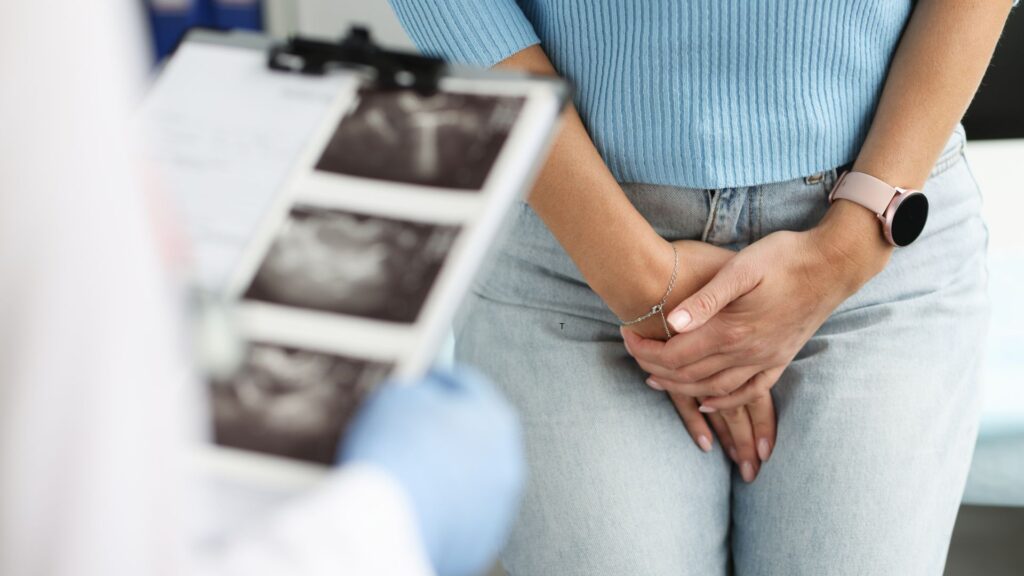
Frequent urination in females refers to the need to urinate more often than usual. This can disrupt daily activities and affect sleep patterns, often pointing to an underlying condition.
In this article, we explore the most common causes, helping you understand what might be behind the repeated urge to use the bathroom.
Table of Contents
ToggleCommon Causes of Frequent Urination in Females
1. Urinary Tract Infections (UTIs)
A UTI is one of the most common reasons women experience frequent urination. It happens when bacteria enter the urinary system, causing inflammation in the bladder or urethra. The irritation leads to an urgent need to urinate, even if the bladder isn’t full.
Signs That Point to a UTI
- A burning sensation during urination
- Cloudy or strong-smelling urine
- Lower abdominal discomfort
- Fever, in more severe cases
UTIs are more common in females due to the shorter urethra, which allows bacteria easier access to the bladder. Prompt treatment usually involves antibiotics.
2. Pregnancy
Hormonal changes and the growing uterus both affect the bladder during pregnancy. In early stages, increased blood flow to the pelvic area can lead to more trips to the bathroom. As the baby grows, the uterus puts pressure on the bladder.
3. Diabetes
Both type 1 and type 2 diabetes can cause frequent urination. High blood sugar levels push the kidneys to produce more urine to flush out excess glucose. This leads to a cycle of increased thirst and more urination.
Other Symptoms to Watch
- Increased hunger or fatigue
- Unexplained weight loss
- Slow healing of cuts or wounds
If you’re noticing these symptoms alongside frequent urination, it might be time to get a blood sugar test.
4. Overactive Bladder
An overactive bladder (OAB) causes a sudden urge to urinate that’s hard to control. It can lead to both frequent urination and accidental leakage. This condition affects women more than men and can worsen with age.
The cause isn’t always clear, but muscle spasms or nerve signals in the bladder often play a role. Management options include bladder training, pelvic floor exercises, and certain medications.
5. Excess Fluid Intake and Diuretics
Drinking a lot of fluids, especially caffeine or alcohol, can increase urination. These liquids stimulate the kidneys and act as diuretics, leading to more urine output. Even water, when consumed in large amounts over a short period, can contribute to the issue.
Medications That Act as Diuretics
- Blood pressure medications
- Certain antidepressants
- Diuretic pills for heart failure or fluid retention
Limiting intake of these beverages and reviewing your prescriptions with your doctor may help control the problem.
6. Menopause and Hormonal Changes
Hormone shifts during menopause can affect bladder control. As estrogen levels drop, the tissues in the bladder and urethra become less elastic and more prone to irritation. This can lead to increased urination or leakage.
Managing Menopause-Related Changes
- Pelvic floor therapy
- Bladder-friendly diets
- Hormone therapy under medical supervision
7. Bladder Conditions and Interstitial Cystitis
Interstitial cystitis (IC) is a chronic condition that mimics a UTI but isn’t caused by an infection. It leads to frequent urination, bladder pressure, and pelvic pain. Symptoms can worsen during menstruation or after certain foods.
Diagnosis is based on symptoms and may require tests to rule out infections or other bladder issues. Treatment options vary and include lifestyle adjustments, bladder instillations, or physical therapy.
Wrapping Up
Frequent urination in females can result from several health or lifestyle factors. While some causes are temporary and manageable, others may need medical attention or long-term care.
If the urge to urinate is interfering with your daily life or comes with pain, discomfort, or other changes, it’s best to consult a healthcare professional.