

Enjoying a cup of matcha can be a soothing, meditative practice that benefits not just your mind but your body, too, contributing to a healthy, regulated digestive system.
In this article, we answer the question, “Does matcha make you poop?” helping you understand what to expect when incorporating matcha into your daily routine.
What is matcha?
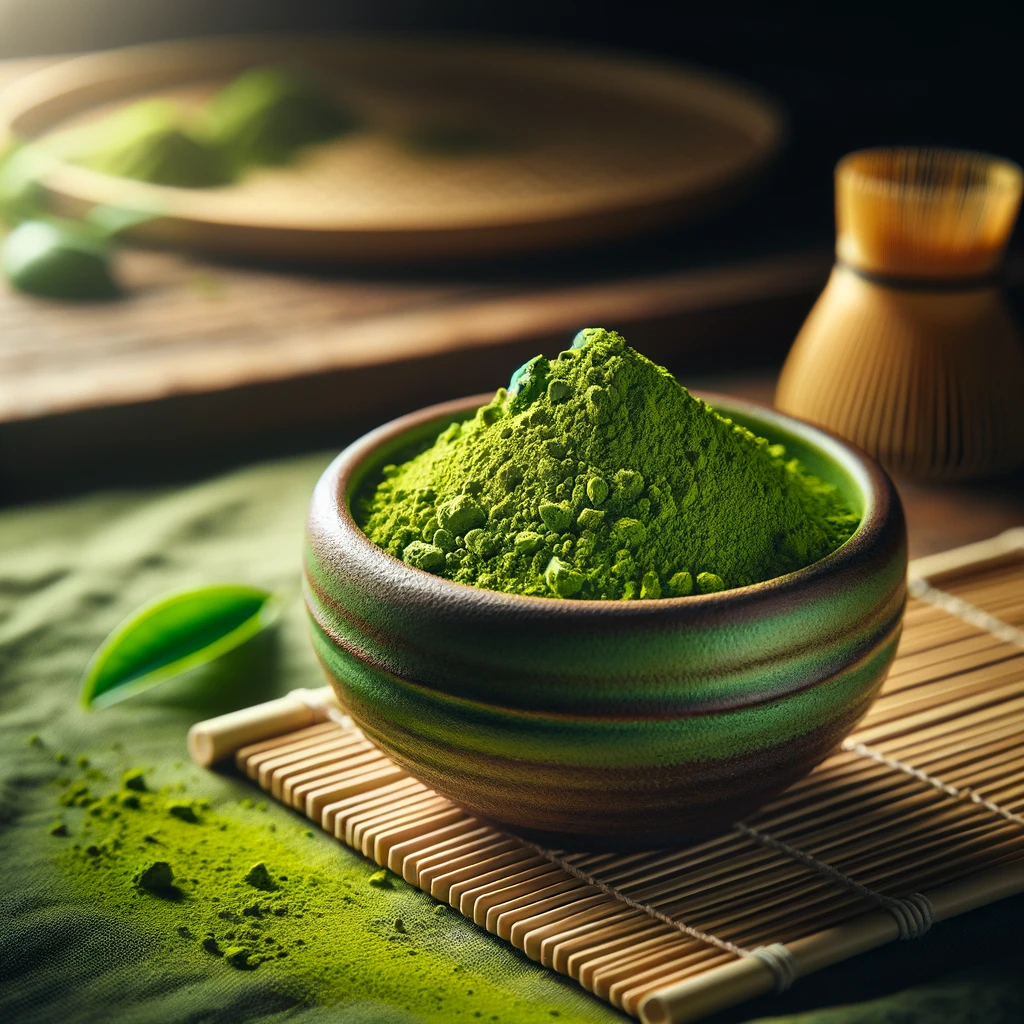
Matcha is a finely ground powder made from Camellia sinensis, a type of tea leaf. It is a traditional Japanese tea that has gained popularity worldwide due to its rich flavor and numerous health benefits.
Unlike regular green tea, where the leaves are infused in water, you ingest the whole leaf (in the form of powder) with matcha. This means you’re consuming all the nutrients the leaves have to offer.
Matcha can be enjoyed in various ways, including as a traditional tea, in lattes, smoothies, or even incorporated into desserts and baked goods.
Does matcha make you poop?
If you struggle with irregularity, introducing a cup of matcha into your daily diet could help maintain a more consistent digestive routine.
Although matcha is not as high in fiber as whole fruits or vegetables, given that you consume the entire leaf, you get a significant amount of fiber with every cup. Dietary fiber is known to aid in digestion and promote healthy bowel movement. It helps to add bulk and softness to the stool, making it easier to pass.
Moreover, matcha contains a comparable amount of caffeine to a cup of brewed coffee. Caffeine is a well-known stimulant, not just for the brain but also for your bowels. It can increase muscle contractions in the large intestine, aiding the movement of stool through the digestive tract.
Additionally, matcha contains a type of antioxidant called catechins, which may enhance digestion and help maintain a healthy gut.
Does matcha or green tea turn your poop green?
Yes, it’s possible. Foods rich in chlorophyll, like matcha, can sometimes cause a greenish tint in your stool. This change is harmless and usually temporal, so there’s no cause for worry.
Chlorophyll is what gives plants, including match leaves, their green color. In matcha, the concentration of chlorophyll is significantly higher than in other green teas due to the shade-growing process it undergoes before harvest. This not only boosts its vibrant color but also its potential health benefits.
It’s also important to note that while matcha can cause this colorful change, it’s not the only food that can turn your poop green. Leafy greens, algae supplements, and foods with green food coloring can have similar effects.
Can I drink matcha or green tea every day?
The short answer is yes, you can enjoy matcha daily. Its high antioxidant content can help reduce inflammation and improve heart health, among other benefits. Moreover, matcha contains L-theanine, an amino acid that, when combined with caffeine, can aid mental alertness and cognitive function.
Regular consumption of green tea has also been linked with weight loss and fat burning, making it a popular choice for those looking to manage their weight more effectively.
Considerations for drinking green tea every day
While green tea is undeniably beneficial, there are some factors to consider if you intend to drink it daily:
- Caffeine content: Green tea contains caffeine, though in smaller amounts than coffee. If you’re sensitive to caffeine, it’s essential to limit your intake or choose decaffeinated green tea.
- Iron absorption: Green tea can inhibit the absorption of iron from your diet, particularly non-heme iron found in plant-based foods. If you have iron-deficiency anemia or are at risk of it, consider drinking green tea between meals.
How much is too much?
Generally, consuming 1 to 2 cups of matcha daily is considered safe for most people. Each cup is typically made with about one teaspoon (2 grams) of matcha powder, which contains approximately 70 milligrams of caffeine.
What other drink can I use as a laxative?
Besides matcha and coffee, several beverages can offer gentle relief from constipation and promote overall digestive health. Here are a few you might consider adding to your diet:
Prune juice
Prune juice is perhaps one of the most well-known natural laxatives. It’s rich in fiber, sorbitol, and phenolic compounds, all contributing to its laxative effect.
Aloe vera juice
Aloe vera has natural laxative compounds called anthraquinones, which can help stimulate bowel movements. However, it should be used with caution, as excessive consumption can lead to diarrhea and dehydration.
Ginger tea
Drinking ginger tea can stimulate digestion by speeding up food movement from the stomach to the small intestine. While not as potent as prune juice or aloe vera juice, ginger tea can be a gentle way to encourage regularity.
Lemon water
Simple yet effective, lemon water can kickstart your digestion first thing in the morning. The acidity of lemon stimulates your digestive system, and when paired with warm water, it can help to flush out toxins and buildup in your intestines.
Dandelion tea
Dandelion root is a mild laxative used for centuries to improve digestion and stimulate appetite. It can also help relieve mild constipation.
You may also like:
Frequently Asked Questions
Can matcha help with weight loss?
Yes, matcha can be a beneficial addition to a weight-loss diet. Its high antioxidant content, particularly EGCG (epigallocatechin gallate), has been linked to boosting metabolism and enhancing fat burning.
Does matcha contain caffeine?
Yes, matcha does contain caffeine, typically more than regular green tea but less than coffee.
Is matcha good for your skin?
Yes, matcha is rich in antioxidants, which can help protect the skin from damage and improve its appearance.
How do you prepare matcha tea?
To prepare matcha tea, sift a small amount of matcha powder into a bowl, add hot water, and whisk until frothy.
Final thoughts: So, does matcha make you poop?
Matcha, with its myriad of health benefits, can indeed aid bowel movements, primarily due to its fiber content, caffeine levels, and antioxidants. Like any food or beverage, it’s essential to consume matcha in moderation. 1 to 2 cups of matcha per day is considered safe for most people.