
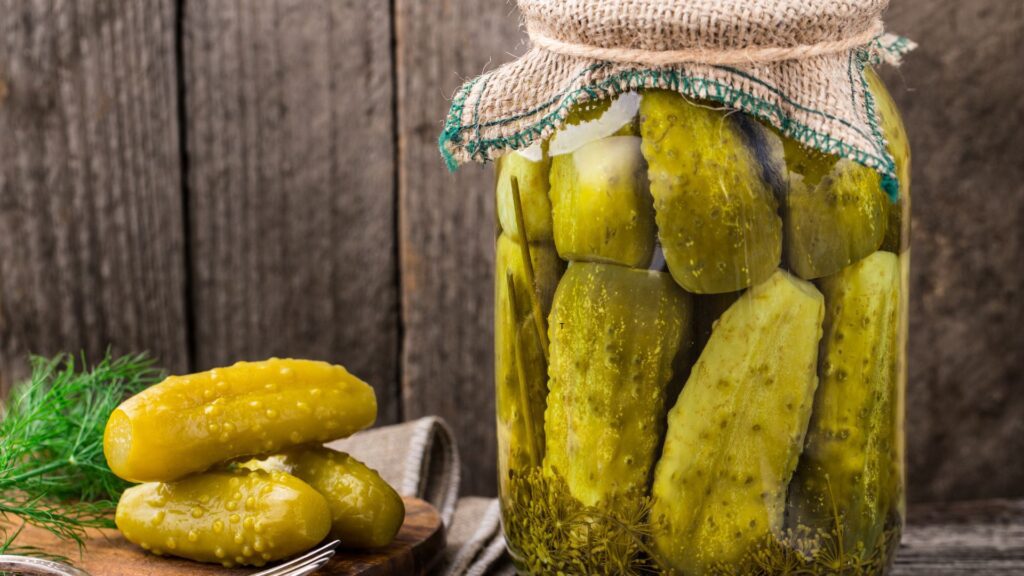
You grab a cold spear from the fridge for a quick snack. You enjoy the tangy flavor, but you might notice a change in your digestion shortly after. If you are wondering if pickles help with constipation, the answer is a definitive yes.
This guide breaks down the science of how pickles affect your gut. You’ll learn the difference between shelf-stable vinegar jars and refrigerated fermented brands.
We also provide a timeline for how fast you can expect results and explain why these salty snacks are a favorite for pregnant women dealing with slow digestion.
Key Takeaways
- The high sodium in pickles draws water into the colon, which softens stool.
- Naturally fermented pickles contain live bacteria that improve gut health and regularity.
- Results typically occur within 30 minutes to 3 hours, especially on an empty stomach.
- Refrigerated, fermented pickles offer more digestive benefits than shelf-stable vinegar varieties.
- Excessive consumption can lead to diarrhea, bloating, and high blood pressure.
The Science: 3 Reasons Why Pickles Trigger a Bowel Movement
It is not a coincidence that a salty snack leads to a trip to the toilet. Three specific factors work together to get your bowels moving:
1. The Osmotic Effect (Sodium)
The most immediate reason pickles make you poop is their high salt content. A single dill pickle spear can contain over 300mg of sodium. When you consume a high concentration of salt, your body initiates a process called osmosis.
To balance the salt levels, your body draws water from surrounding tissues into the colon. This influx of water softens the stool and adds bulk, creating pressure against the intestinal walls.
This pressure then signals your muscles to contract, which leads to a bowel movement. This is the same principle used by saline laxatives to treat occasional constipation.
2. Probiotics and the Microbiome
If you eat naturally fermented pickles, you are consuming live Lactobacillus bacteria. These good microbes are essential for a healthy gut microbiome. Probiotics help break down complex fibers that your body cannot digest on its own. By improving the balance of bacteria in your gut, fermented pickles help regulate the speed of your digestion. This ensures that waste moves through your system at a steady pace.
3. The Vinegar and Acetic Acid Factor
Most pickles found on grocery store shelves sit in a brine of water, salt, and distilled vinegar. Vinegar is rich in acetic acid. Studies suggest that acetic acid can help speed up gastric emptying. This is the rate at which food leaves your stomach and enters the small intestine.
Furthermore, the acidity can stimulate the digestive tract. It acts as a mild irritant that encourages the colon to flush out its contents. This stimulation is often why many people feel an urge shortly after eating vinegar heavy foods.
Comparing Pickle Types for Digestion
Not every jar of pickles provides the same digestive benefits. The processing method determines if the pickle contains live bacteria or just salt and acid.
Shelf-Stable Vinegar Pickles
These are the jars you find in the middle aisles of the grocery store. Manufacturers use a brine of water, salt, and distilled vinegar to preserve the cucumbers.
- Pasteurization: These pickles undergo a heat treatment to make them shelf-stable. This process kills all bacteria including beneficial probiotics.
- Digestive Impact: While they lack probiotics, they still help you poop. The high sodium levels and acetic acid from the vinegar stimulate the colon.
- Common Examples: Most major national brands found at room temperature.
Refrigerated Fermented Pickles
These pickles are the gold standard for gut health. They are created through natural fermentation in a salt and water brine without the use of vinegar or heat.
- Live Cultures: These pickles contain Lactobacillus. This is a friendly bacteria that improves the balance of your microbiome.
- Digestive Impact: They offer both immediate relief through the osmotic effect and long-term regularity by supporting gut flora.
- Common Examples: Brands like Bubbies or Claussen are often found in the refrigerated section.
How to Read the Label
To get the most benefit for your digestive system, you must know what to look for on the packaging.
- Look for “Live Cultures”: This indicates the presence of probiotics that aid digestion.
- Check for “Naturally Fermented”: This phrase confirms the pickles were made using traditional methods that preserve bacteria.
- Avoid “Distilled Vinegar”: If this is a primary ingredient, the pickle likely does not contain probiotics.
- Watch the Sugar: Sweet pickles like Bread and Butter varieties contain high amounts of sugar. This can cause fermentation in the gut which leads to gas and bloating.
Pickle Juice vs. Whole Pickles: Which is Better for Constipation?

You might wonder if drinking the brine is more effective than eating the cucumber itself. Both options have unique benefits for relieving constipation.
The Power of Pickle Juice
Pickle juice for constipation works quickly because it is a concentrated liquid. It contains high levels of sodium and acetic acid. This mixture moves through your digestive system faster than solid food. The osmotic effect happens quickly as the salt draws water into your bowels. This makes pickle juice a better choice if you need immediate relief.
The Fiber Benefit of Whole Pickles
Eating the whole pickle provides dietary fiber. Cucumbers are naturally high in water and fiber. Fiber is necessary for adding bulk to your stool. This helps the muscles in your colon push waste out more effectively. While it takes longer to digest a solid pickle, the fiber supports long-term regularity.
How to Make Your Own Digestive Pickle Tonic
You can make a simple tonic to support your gut. Mix two ounces of refrigerated pickle juice with four ounces of warm water and a squeeze of fresh lemon. Drink this on an empty stomach in the morning to jumpstart your digestive tract. This combination of hydration, acidity, and sodium encourages a bowel movement without being too harsh on your system.
How Fast Do Pickles Work?
The timing of a bowel movement after eating pickles depends on several factors. Most people experience results within 30 minutes to 3 hours.
Immediate Relief on an Empty Stomach
If you drink pickle juice on an empty stomach, the high sodium and acetic acid reach your intestines quickly. This stimulates a faster response because there is no other food to slow down absorption. This method is often the quickest way to trigger the osmotic effect.
Delayed Results with Full Meals
Eating pickles as part of a large meal slows the process. Your digestive system must process other proteins and fats at the same time. This can delay the osmotic effect for up to 6 hours. The body takes longer to break down solid food compared to liquid brine.
The Role of Hydration
Your hydration levels also matter for speed. If you are dehydrated, your body may absorb the water from the brine. This reduces the amount of liquid available to soften your stool. For the best results, drink plenty of plain water alongside your pickles to ensure the salt can draw enough fluid into the colon.
The Dark Side: When Pickles Cause Diarrhea and Bloating
Pickles offer relief for constipation, but overindulgence often leads to digestive distress. You must understand your body’s limits to avoid unnecessary discomfort.
The “Pickle Shits” and Urgency
Consuming excessive brine can trigger a condition colloquially known as “pickle shits.” This happens when high salt concentrations pull too much water into the colon at once. The result is watery stool and a sudden, intense urge to find a bathroom. This reaction is a form of osmotic diarrhea caused by a sodium overdose. While the effect is temporary, it can be quite uncomfortable.
Sodium and Heart Health
High sodium intake poses a significant risk to your long-term health, such as high blood pressure and heart disease. One large pickle often contains a major portion of your daily recommended sodium limit. If you manage hypertension or kidney issues, you should limit your intake to avoid these health risks. Moderation is the best way to enjoy the benefits without the side effects.
IBS and Acidity Triggers
The high acidity in vinegar-based pickles can irritate a sensitive digestive tract. People with Irritable Bowel Syndrome (IBS) or acid reflux frequently experience stomach cramps and bloating after eating acidic foods. This combination of vinegar and salt triggers flare-ups for those with gut sensitivities. If you notice pain or excessive gas after eating pickles, your body is likely reacting to the high acid content. In these cases, fermented pickles might be a gentler alternative.
Special Considerations: Pregnancy and Cravings
Pregnancy frequently triggers a sudden desire for salty and crunchy snacks. Pickles are the most famous example of this phenomenon. These cravings occur for several biological reasons. Hormonal shifts change how women perceive taste and smell.
Why the Pickle Craving is Real
The intense urge to eat pickles is often a signal from the body. Since blood volume expands by nearly 50 percent during pregnancy, the body requires more electrolytes like sodium to keep everything in balance. The sharp, acidic flavor of a pickle also helps combat the nausea often associated with morning sickness.
Natural Relief for Pregnancy Constipation
Many pregnant women suffer from slow digestion because of rising progesterone levels. This hormone relaxes the muscles in the digestive tract. This relaxation leads to constipation as waste moves more slowly through the system. Pickles offer a natural way to stimulate bowel movement. The high salt content draws water into the colon to soften stool and ease the passage of waste.
A Word of Caution on Sodium
While pickles help with regularity, they contain very high levels of salt. Excessive sodium can lead to edema, which is the swelling of the hands and feet. It can also contribute to high blood pressure. Pregnant women should monitor their intake and discuss any concerns with a healthcare provider. Using pickles as an occasional snack is a safe way to manage mild constipation for most people.
Frequently Asked Questions
Are pickles a laxative?
Pickles are not a medical laxative. They do act as a natural digestive aid due to their high sodium content. This salt creates an osmotic effect that draws water into the colon. This process softens the stool and makes it easier to pass. Fermented varieties also supply probiotics that improve long-term regularity.
Do pickles make your poop green?
Pickles can change the color of your stool for two main reasons. First, many commercial brands use artificial dyes like Yellow 5 or Blue 1. These pigments can pass through your system and tint your waste. Second, if pickles speed up your digestion, bile does not have enough time to break down completely. This results in a green hue because bile starts as a green fluid before it turns brown during digestion.
Can I eat pickles every day?
You can enjoy a pickle every day if you are in good health. However, you must monitor your total sodium intake because one large spear often contains half of your daily salt limit. People with heart or kidney issues should avoid daily consumption to prevent complications. Always drink plenty of fresh water to balance the high salt levels.
Why do pickles give me stomach cramps?
The high acidity of vinegar often irritates the stomach lining. A sudden influx of salt also causes the intestines to contract sharply. These contractions lead to cramping or gas as your body processes the brine. If you experience discomfort, try eating pickles with a full meal to buffer the acid. This reduces the direct impact on your digestive tract.
Wrapping Up
Pickles are an effective way to manage mild constipation. They work through the osmotic effect of salt and the probiotics found in fermented varieties. To stay safe, follow the One Jumbo Dill rule. This rule means you should eat no more than one large pickle per day.
Use pickles as an occasional digestive aid rather than a daily habit. This approach keeps your gut healthy and lively without overloading your system with salt.
References
American Pregnancy Association. (2021, July 16). Constipation during pregnancy.
Cleveland Clinic. (2023, August 1). Is pickle juice good for you? Health Essentials.
Healthline. (2023, September 12). 9 impressive health benefits of Lactobacillus acidophilus.
Liljeberg, H., & Björck, I. (1998). Delayed gastric emptying rate may explain improved glycaemia in healthy subjects to a starchy meal with added vinegar. European Journal of Clinical Nutrition, 52(5), 368–371.
Mayo Clinic Staff. (2022, November 1). Dietary fiber: Essential for a healthy diet. Mayo Clinic.
Medical News Today. (2023, June 28). Do pickles make you poop?
U.S. Food and Drug Administration. (2024, March 5). Sodium in your diet.