
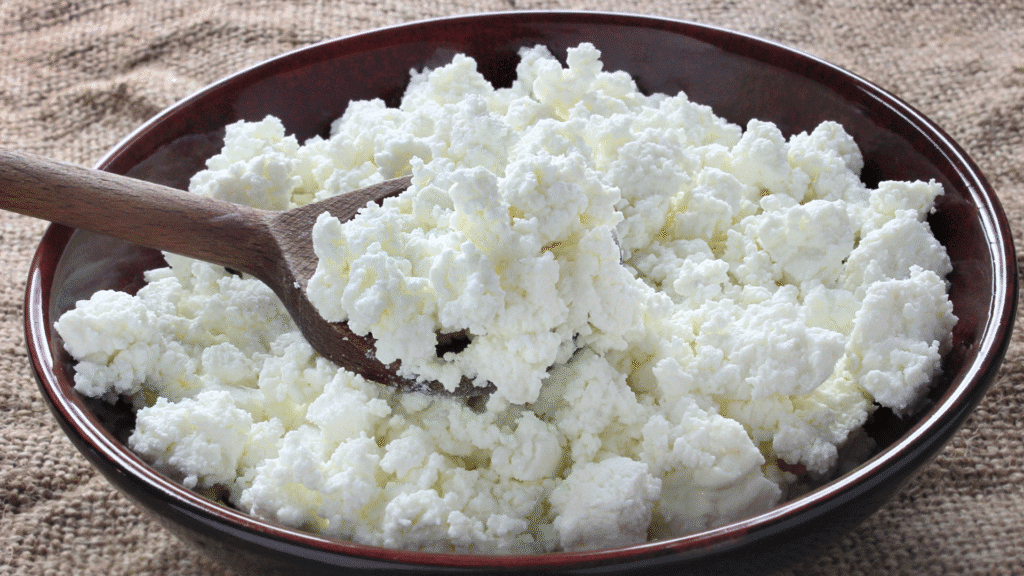
Cottage cheese is a favorite amongst dieters due to its low fat and high protein content. Unlike aged cheese, it is served fresh and has a soft texture. But can you freeze cottage cheese?
Freezing can extend the shelf life of cottage cheese, especially if you have more than you can consume before it spoils.
This guide will walk you through the step-by-step process of freezing cottage cheese effectively, what to expect, and how to use it once thawed.
Can you freeze cottage cheese?
Freezing cottage cheese is possible but with some caveats. The freezing process can cause changes in texture and flavor. When frozen, the liquid in cottage cheese forms ice crystals, which can cause the curds to break down.
This results in a grainier and less creamy texture once thawed, making it less appealing. Some people find the flavor slightly diluted due to excess water upon thawing.
How to do it
If you decide to freeze cottage cheese, follow this step-by-step process to do it correctly:
- Choose the right type: Opt for full-fat or creamed cottage cheese for the best results. The higher fat content helps maintain a better texture after thawing due to its lower water content.
- Portion it: Divide the cottage cheese into smaller, manageable portions. Consider how you plan to use the cottage cheese later to determine the best portion size.
- Transfer to container: Place the cottage cheese into airtight containers. If using freezer bags, squeeze out as much air as possible before sealing to prevent freezer burn and ice crystal formation.
- Label, date and freeze: Be sure to label the containers with the freezing date. This helps keep track of how long your cheese has been stored.
- Thawing: Thaw the cottage cheese in the refrigerator rather than at room temperature to minimize texture changes. Once thawed, stir the cottage cheese vigorously to redistribute moisture and improve the consistency.
Tips for using thawed cottage cheese

After thawing, cottage cheese can become more crumbly and less creamy, so might not be ideal for eating straight from the container. Here are a few ways to use thawed cottage cheese in recipes:
- Cooked dishes: Incorporate thawed cottage cheese into baked dishes like lasagna or baked pasta, where it integrates smoothly with other ingredients.
- Smoothies: Blend thawed cheese into smoothies for added protein. The blending process will help smooth out any texture issues.
- Dips: Use it as a base for dips, mixing in herbs and spices to enhance the flavor.
- Stuffed pasta: Mix it with other cheeses to fill pasta like shells or manicotti, where it can be part of a flavorful, creamy filling.
How long can cottage cheese last?
Once opened, cottage cheese should be consumed within five to seven days. To keep it fresh, always store it in a refrigerator.
Unopened cottage cheese can last for up to one to two weeks beyond the “best by” date when stored in the refrigerator at a temperature of 40°F (4°C) or below. Frozen cottage cheese, on the other hand, can stay good for up to 3 months.
How to tell if your cheese has spoiled
Like all perishables, cottage cheese can go bad. Here are some signs that your cheese has gone past its prime:
- Unpleasant odor: Fresh cottage cheese has a mild, slightly creamy scent. If it emits a sour or rancid odor, then it’s spoiled. Any unusual smells are a good reason to discard the product.
- Watery texture: Cottage cheese should be creamy and slightly lumpy. If it becomes overly watery or excessively thick, then it’s gone bad.
- Discoloration: While fresh cottage cheese is usually white or slightly cream-colored, yellowing or other discoloration is a warning sign of spoilage.
- Mold growth: Additionally, any visible mold growth (which may appear as green, black, or pink spots) indicates that your cottage cheese is no longer safe to eat.
What does cottage cheese taste like?
For those new to cottage cheese, the best way to describe its taste is to imagine a less salty, gentler version of feta with a softer, more spreadable texture. Unlike stronger cheeses like blue cheese or aged cheddar, cottage cheese has a subdued creaminess with a fresh, almost milky essence that doesn’t overpower other ingredients.
Its flavor can vary slightly depending on the fat content; lower-fat versions tend to be a bit tangier, while full-fat cottage cheese is creamier and richer.
Frequently Asked Questions
Can I freeze any type of cottage cheese?
Yes, you can freeze any type of cottage cheese, but the higher the fat content, the better it will withstand freezing and thawing. Low-fat and non-fat varieties may become excessively watery or grainy after thawing.
How long can I keep it in the freezer?
Cottage cheese can be kept in the freezer for up to six months. However, for the best texture and flavor, try to use it within one to three months. After this period, it’s still safe to eat if stored correctly, but the quality may decline.
Is cottage cheese healthy?
Yes, cottage cheese is considered a healthy dietary option. It is rich in protein, which helps in muscle repair and growth, and it’s also a good source of calcium. Additionally, it’s low in fat and calories, making it a popular choice for weight management and fitness diets.
Are there any health risks associated with cottage cheese?
While cottage cheese is generally safe for most people, those with lactose intolerance might experience digestive discomfort. Also, some brands may have high sodium levels, which could be a concern for people monitoring their salt intake. Always check the nutrition label to make sure it fits within your dietary needs.
Is frozen cottage cheese still healthy?
Yes, freezing cottage cheese does not affect its nutritional value. It remains a good source of protein, calcium, and other essential nutrients. However, the texture and excess water upon thawing might make it less suitable for some fresh uses.
Wrapping up: So, can you freeze cottage cheese?
Yes, you can freeze cottage cheese, and now you know how! Although the texture and consistency might change, freezing cottage cheese doesn’t affect its nutritional value.
For optimal results, freeze cottage cheese in an airtight container and consume it within three months.