
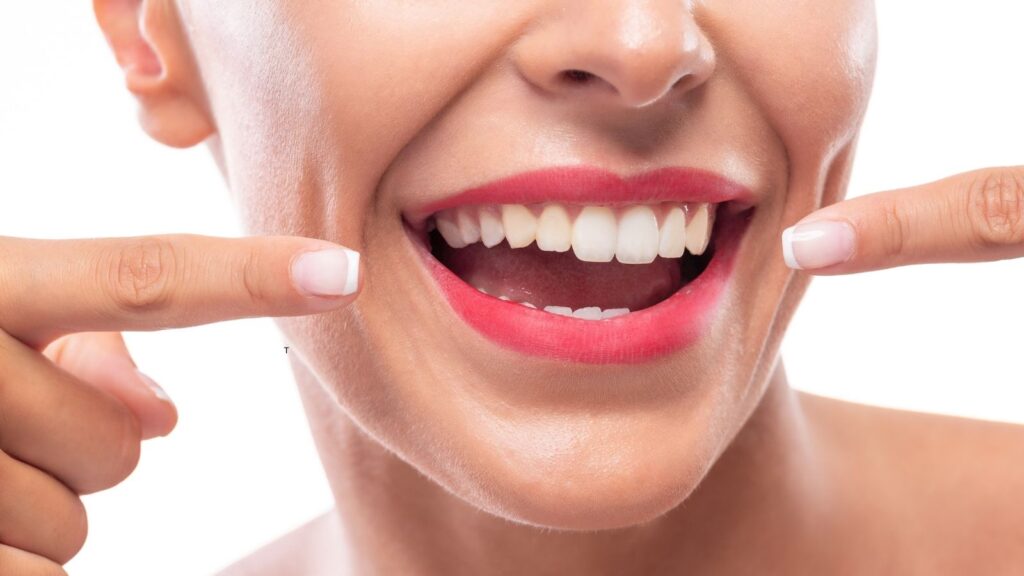
Most dentists can tell within minutes whether someone has a steady oral care routine. It shows in the gums, the enamel, and even how confidently a patient talks about their teeth.
This article walks through the everyday habits dentists quietly hope you already practice, not extreme routines or trendy hacks, just practical actions that protect your teeth over time.
Each section builds on the last, so by the end you will have a clear, realistic picture of what a dentist-approved daily routine actually looks like and why it matters.
Brushing With Intention, Not Autopilot
Most adults brush their teeth, but fewer brush them effectively. Brushing twice a day is only the baseline. Technique, timing, and tool choice matter just as much.
Use a soft-bristled toothbrush and fluoride toothpaste, and brush for a full 2 minutes. Focus on small circular motions along the gumline, not aggressive back-and-forth scrubbing. Hard pressure does not clean better. It wears enamel and irritates gums. Many people are surprised when their dentist points out damage from brushing rather than cavities.
Timing also plays a role. Brushing immediately after acidic foods or drinks can weaken enamel. Waiting 30 minutes allows saliva to rebalance the mouth. This small pause protects tooth structure without adding complexity to your routine.
Flossing As Daily Maintenance, Not Emergency Care
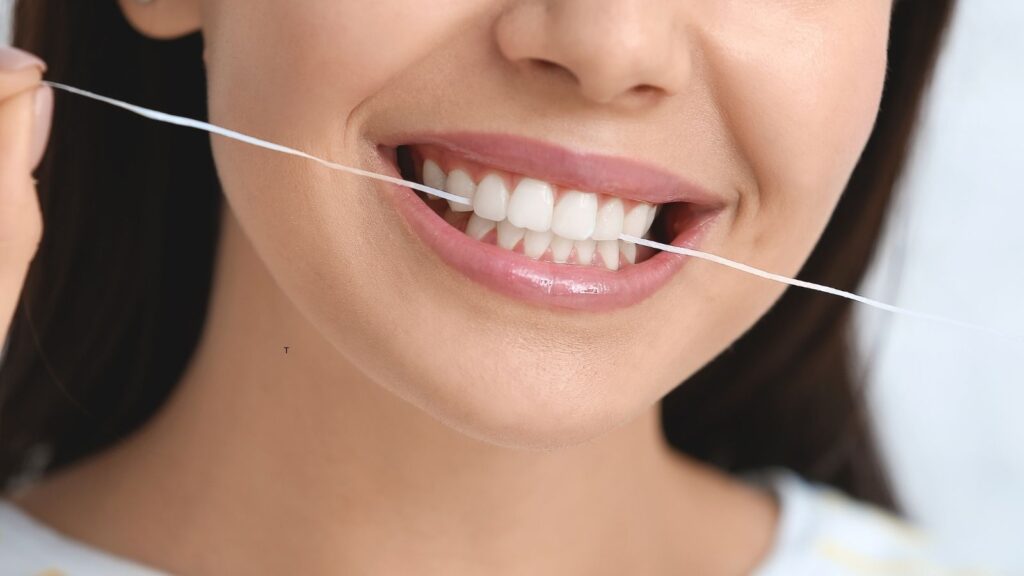
Dentists can tell who flosses regularly and who only flosses the night before an appointment. Healthy gums do not bleed excessively when flossing becomes routine. The goal is to remove plaque between teeth, where brushes cannot reach.
Floss once a day, ideally before brushing at night. This allows toothpaste to reach newly cleaned surfaces. Consistency matters more than perfection. If traditional floss feels awkward, interdental brushes or water flossers can be effective alternatives.
Flossing is one of those habits that pays off quietly. You may not feel an immediate reward, but over time you notice less sensitivity, healthier gums, and fewer surprises during cleanings.
Drinking Water Like It Is Part of Oral Care
Water is one of the most underrated tools for healthy teeth. Dentists often ask about dry mouth because saliva is essential for neutralizing acids and washing away bacteria. Staying hydrated supports this natural defense system.
Drinking water after meals and snacks reduces food residue and acid exposure. Fluoridated tap water adds an extra layer of protection over time. If you sip coffee, tea, or juice throughout the day, alternating with water helps limit prolonged acid contact.
Nighttime Habits That Protect Teeth While You Sleep
Night routines often determine whether teeth recover or struggle overnight. Brushing and flossing before bed is especially important because saliva production drops during sleep.
Avoid sugary or acidic drinks before bedtime. If you grind your teeth, wearing a dentist-prescribed night guard protects enamel and reduces jaw strain. Many patients only realize they grind after noticing morning headaches or worn teeth.
Consistency at night often makes the biggest difference long term. Skipping once in a while happens. Skipping often leaves a pattern dentists can see clearly.
Seeing Your Dentist Before Problems Hurt
Routine dental visits are not just about cleanings. Dentists look for early signs of decay, gum disease, and wear that patients cannot see or feel yet. Catching issues early means simpler, less expensive treatment.
Most adults benefit from checkups every six months, though some may need more frequent visits based on gum health. Being honest about habits helps your dentist tailor advice that fits your life rather than offering generic reminders.
A Practical Daily Teeth Care Checklist
| Habit | When | Why It Matters |
| Brush for two minutes | Morning and night | Removes plaque and strengthens enamel |
| Floss or use interdental cleaner | Once daily | Prevents gum disease between teeth |
| Drink water after meals | Throughout the day | Neutralizes acids and clears debris |
| Limit frequent snacking | Daily | Reduces constant acid exposure |
| Wear night guard if prescribed | During sleep | Prevents enamel wear and jaw tension |
Conclusion
Healthy teeth habits are less about perfection and more about consistency. Dentists hope you brush thoughtfully, floss regularly, drink water often, and eat in ways that give your teeth time to recover. These habits build quietly, protecting your smile over years rather than days.
When oral care fits naturally into your routine, dental visits become easier and less stressful. The goal is not flawless teeth, but resilient ones that support comfort, confidence, and long-term health.