
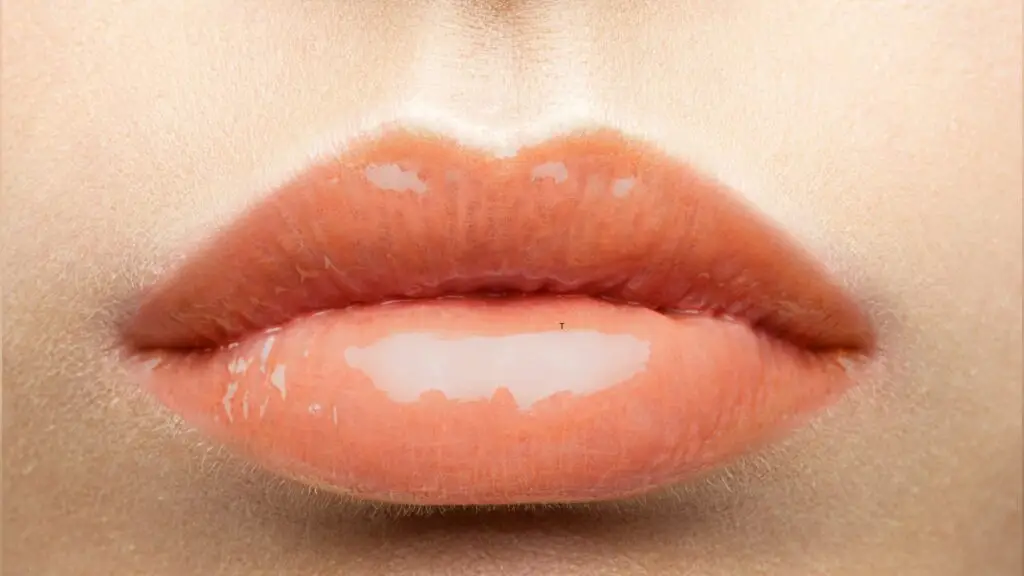
Your lips can swell for reasons that feel minor at first, yet each one reveals how sensitive and reactive the skin around your mouth truly is. When you understand these everyday triggers, you can prevent discomfort and reduce the frequency of swollen lips by making simple, informed adjustments.
In this article, I explain the most common everyday reasons your lips swell, what your body is signaling when inflammation appears, and how to respond early. Let’s get into it!
Table of Contents
Toggle7 Everyday Reasons For Swollen Lips
Swollen lips can develop quickly because the lip tissue is thin, exposed and packed with small blood vessels. When irritants or inflammatory triggers reach this area, swelling becomes one of the body’s fastest defense responses. Here is what typically causes swollen lips in everyday life.
Irritation From Food Contact
Certain foods can immediately irritate your lips and lead to swollen lips within minutes or hours. Spicy ingredients, acidic fruits and salty snacks can pull moisture from the lip surface or disrupt the outer layer of skin. Once the protective layer weakens, blood rushes to the area and swelling becomes visible.
You may notice that these reactions occur more often when your lips are already dry or slightly cracked. In many cases, your lips are reacting to sensitivity rather than a true allergy.
Common Irritating Ingredients
Before looking at examples, it helps to know that even small breaks in your lip barrier allow irritants to absorb quickly.
• Citrus oils
• Hot peppers containing capsaicin
• Tomato acids
• Vinegar or fermented foods
Weather Changes That Trigger Swollen Lips
Sudden changes in humidity or temperature can trigger swollen lips even during normal daily routines. Cold weather pulls moisture from the skin while heat increases blood flow. These rapid shifts leave your lips vulnerable because they lack oil glands that help maintain moisture.
Dry indoor heat, cold wind or low humidity can all cause the lip surface to crack, sting and swell. When weather conditions fluctuate repeatedly, your lips respond with inflammation as they try to protect exposed tissue.
Mild Allergic Reactions From Everyday Products
You may develop swollen lips from ingredients in lip balms, face creams, toothpaste or sunscreen. Fragrances, preservatives and essential oils can act as irritants. When your immune system detects something it dislikes, it releases histamine, which increases fluid in the lip tissue and produces swelling.
These reactions are often gradual. You may feel tingling, dryness or mild itching before the swelling appears.
Ingredients Known To Trigger Sensitivity
You do not need a confirmed allergy for these to cause inflammation and swollen lips.
• Artificial fragrance blends
• Essential oils like peppermint or cinnamon
• Preservatives such as parabens or formaldehyde-releasing agents
• Flavorings in toothpaste or lip gloss
Lip Trauma From Everyday Habits
Small everyday behaviors can irritate the skin enough to cause swollen lips. Biting, liking, picking or rubbing your lips weakens the protective barrier that keeps moisture in and microbes out. Once that barrier breaks, even normal saliva can irritate the exposed skin.
Swelling from trauma tends to build gradually and may come with redness or small cracks. When you stop the habit and allow the skin to recover, swollen lips typically improve within a day.
Reactions To Dental Hygiene Products
Swollen lips can also occur from toothpaste and mouthwash. Foaming agents, bleaching ingredients and strong mint oils may be too harsh for sensitive lip tissue. If residue stays around the mouth after brushing, the outer skin may become irritated and start to swell.
You might notice swollen lips more frequently after switching to whitening toothpaste or using mouthwash with high alcohol content. These formulas can dry the lip barrier and create inflammation.
Fluid Retention From High Sodium Intake
Sometimes swollen lips are caused by simple fluid retention. When you consume excess sodium, your body pulls in water to balance salt levels. Because lip tissue is soft and vascular, swelling becomes noticeable quickly.
This type of swelling can appear alongside mild facial puffiness or a tight sensation around the mouth. Reducing sodium intake and drinking more water usually helps the swelling settle on its own.
Underlying Inflammation From Skin Conditions
Skin conditions like eczema or perioral dermatitis can make your lips more reactive to everyday irritants, leading to recurrent swollen lips. When the skin barrier is compromised, even mild triggers cause inflammation.
If swelling comes with redness, dryness or small bumps, your lips may be signaling an underlying skin condition instead of a surface-level irritation. Recognizing these patterns helps you manage inflammation more effectively.
Frequently Asked Questions
Why do my lips swell overnight?
Lips may swell overnight due to pressure from sleeping positions, mild allergic reactions to pillowcase detergents or nighttime fluid retention. Saliva exposure during sleep can also irritate cracked lips and cause swollen lips by morning.
Can dehydration cause swollen lips?
Yes. When you are dehydrated, your lip tissue becomes dry and more prone to irritation, making swelling more likely.
Wrapping Up
Swollen lips often have simple everyday causes, from weather changes, lip trauma to mild irritants in food or products. If swollen lips persist or become unpredictable, it may be a sign of underlying sensitivity or inflammation.
Seek medical care if swelling is severe, sudden, or paired with breathing difficulty, hives or dizziness. These signs may indicate a serious allergic reaction.