
Many adults deal with coughs that linger long after the initial irritation fades. New herbal research highlights several natural remedies that may support throat comfort and healthier airway function.
In this article, you can expect a clear look at six remedies backed by new research, why they may help your respiratory system, and how you can use them safely. Think of this as a guide you can read without feeling lost in technical talk. I kept it practical so you can find relief that fits your routine.
Ginger Root Extract for Throat Calm
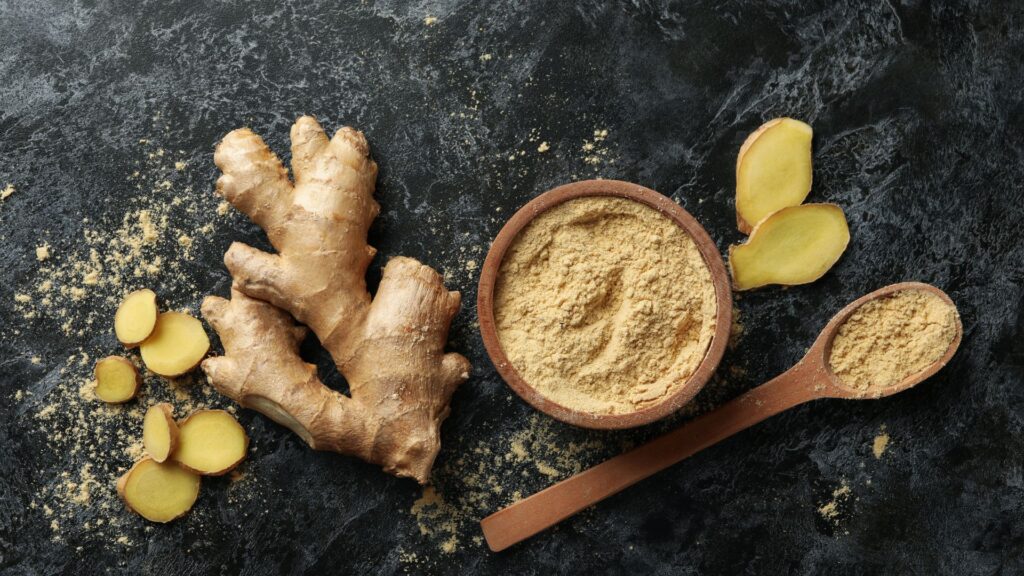
Ginger root carries active compounds such as gingerols and shogaols that appear to support airway relaxation. These compounds may help adults reduce throat irritation linked to repeated coughing. You may find it useful when dealing with dry or irritated airway surfaces.
Warm preparations tend to release the aromatic components that offer noticeable soothing effects. Ginger can also support circulation, which may help maintain airflow comfort during a cough episode.
How to Use Ginger Root Extract
A simple warm preparation often works well.
- Ginger tea made with fresh slices
- Ginger extract drops diluted in warm water
- Ginger lozenges for on-the-go support
Start with small amounts if you have a sensitive stomach.
Thyme Leaf Tea for Airway Ease

Modern studies highlight thymol, the main component in thyme, for its potential to relax bronchial muscles. This effect may help adults experiencing tightness during coughing spells. Thyme also offers aromatic oils that many people find naturally soothing when inhaled during a warm drink.
Thyme tea provides mild support for both dry and productive coughs. The herb’s natural oils disperse into the steam, which may bring additional comfort as you sip.
Easy Thyme Brewing Tips
A consistent preparation method helps you see the best results.
- Add one teaspoon of dried thyme to a cup of hot water
- Cover the cup for several minutes so the aromatic oils stay contained
- Strain before drinking for a smoother taste
If you take medications that affect breathing, check with your clinician before adding strong herbal infusions.
Marshmallow Root for Mucus Relief
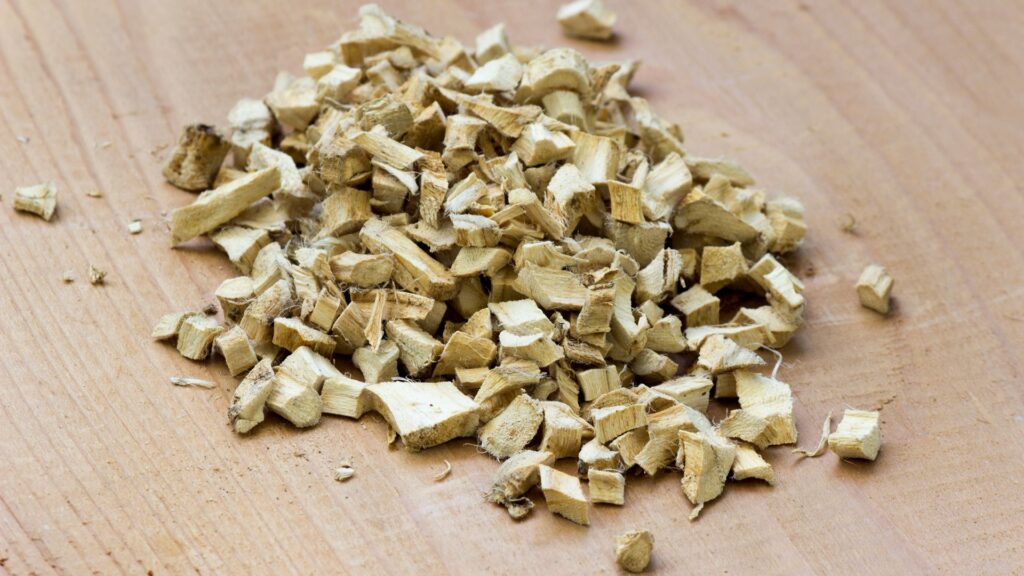
Marshmallow root contains mucilage, a natural gel-like substance that can help coat irritated throat surfaces. This coating effect may reduce the discomfort that comes with persistent, dry coughing. New research highlights marshmallow root as a supportive herb for individuals dealing with airway dryness.
Because mucilage forms a protective layer, it may reduce the raw sensation that builds after repeated coughing. It is especially useful during periods of dryness caused by indoor heating or seasonal weather changes.
Ways to Use Marshmallow Root
Keep in mind that mucilage may affect how quickly certain medications absorb.
You can try:
- Marshmallow root tea
- Cold infusions made by soaking the root in cool water
- Herbal cough blends that list marshmallow root as a major ingredient
Sip slowly to let the mucilage fully coat the throat.
Licorice Root Tea for Throat Protection

Licorice root contains glycyrrhizin, a natural component studied for its potential to ease upper airway inflammation. This can be beneficial during coughing episodes where irritation keeps triggering the urge to cough. Warm preparations may help provide a smoother feel in the throat.
Research continues to explore its effects on airway comfort, and many adult formulations include licorice root as a supporting ingredient. Use it in moderation if you monitor blood pressure, since licorice can affect sodium balance in the body.
Safe Use Suggestions
Simple preparation methods are often the most effective.
- Brew one cup per day for mild support
- Avoid concentrated extracts if you take heart or blood pressure medication
- Mix with warm water and honey for a softer flavor
Pelargonium Sidoides for Productive Coughs

Pelargonium sidoides, also known as Umckaloabo, appears in new research for its potential benefits on productive coughs. Studies suggest it may support mucus clearance and ease airway irritation triggered by respiratory infections. Adults often choose this herb during seasonal coughs that bring excess mucus.
Its effects tend to appear gradually as the airway adjusts. For individuals dealing with persistent mucus buildup, Pelargonium may offer an added layer of support.
Helpful Ways to Use Pelargonium
Start with moderate doses to see how your body responds.
- Use standardized drops from reliable pharmacies
- Take with food if you tend to experience stomach sensitivity
- Stay consistent for several days to track changes
Avoid combining with other strong herbs until you understand how your body responds to it.
Honey with Warm Water for Nighttime Relief

Research continues to show that honey may help soothe irritated throat tissue, especially at night. Adults dealing with dry or persistent nighttime coughing often find that honey provides moisture that reduces throat sensitivity. This simple remedy can help quiet the cough reflex long enough for restful sleep.
Honey also carries natural compounds studied for their mild antimicrobial properties. When paired with warm water, the effect becomes smoother and easier to sip.
Simple Honey Method
A calm evening routine may help reduce nighttime coughing.
- Add one teaspoon of honey to warm water
- Stir until it blends smoothly
- Sip slowly before bed for steady moistening of the throat
Adults can use honey comfortably, but it should never be given to children under one year old.
Wrapping Up
Coughs can interfere with sleep, daily conversations, and regular breathing comfort. These six herbal remedies backed by new research offer practical ways to support throat and airway health without adding complicated routines. Each option provides a gentle approach that you can incorporate into your day based on your needs.
If your cough lasts longer than expected or becomes painful, seek medical evaluation. Note that herbal remedies work best as supportive tools alongside proper hydration, rest, and monitoring your symptoms.