
Testosterone is a hormone that plays a central role in muscle development, energy levels, mood, and overall vitality. It naturally fluctuates with age, but diet is one of the most effective tools to help maintain balanced testosterone production. The first meal of the day is the perfect opportunity to set the tone, and choosing the right foods at breakfast can help support hormonal health.
This article will walk you through a list of foods that research has linked to healthy testosterone levels. Each option is easy to prepare, tastes great, and can be seamlessly added to your morning routine.
Eggs

Eggs are one of the most nutrient-dense breakfast foods and an excellent choice for testosterone support. The yolks provide cholesterol, which the body uses to create testosterone naturally. They are also rich in vitamin D, a nutrient often associated with balanced hormone levels.
For variety, you can enjoy them boiled, scrambled, or poached. Pairing eggs with vegetables like spinach or peppers adds fiber and antioxidants, creating a balanced meal that fuels your day while supporting testosterone.
Oats
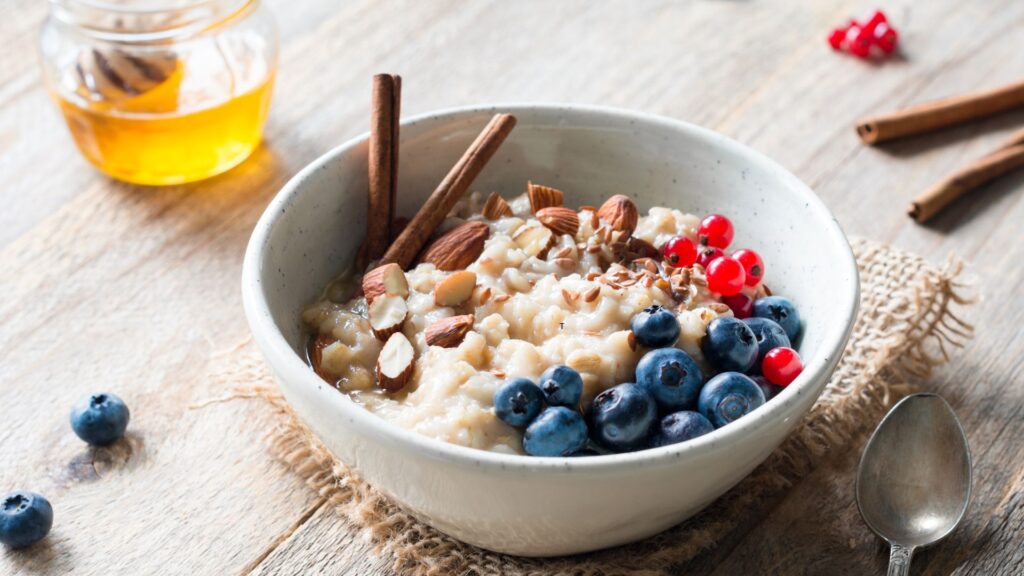
Oats are a grain loaded with B vitamins, particularly B6, which plays a role in regulating androgen production. This makes them an ideal choice for those looking to encourage consistent testosterone levels. Beyond hormones, oats stabilize blood sugar, preventing energy crashes that can disrupt focus and stamina.
A warm bowl of oatmeal topped with nuts, seeds, or fruit creates a nutrient-dense breakfast. Overnight oats are another option, offering a convenient way to prepare a testosterone-friendly breakfast ahead of time.
Fatty Fish

Fatty fish like salmon, mackerel, and sardines are excellent sources of omega-3 fatty acids, which are tied to hormone health. Omega-3s not only support cardiovascular wellness but also create an internal environment where testosterone can thrive. Some studies suggest omega-3 intake is connected to improved sperm quality and reproductive function.
Adding salmon to an omelet or enjoying smoked mackerel with whole-grain toast provides a flavorful, protein-rich breakfast. For convenience, canned sardines are a budget-friendly and nutrient-packed option.
Nuts and Seeds

Nuts and seeds are small but powerful hormone allies, offering healthy fats, magnesium, and zinc, nutrients often linked to testosterone health. Almonds, walnuts, pumpkin seeds, and flaxseeds are easy to add to yogurt, oatmeal, or smoothies. Their nutrient density makes them a simple yet effective way to strengthen your breakfast routine.
Best Options to Try
- Almonds: High in vitamin E and healthy fats
- Pumpkin Seeds: Rich in zinc, a mineral essential for testosterone production
- Flaxseeds: Provide omega-3s and fiber
- Walnuts: Support heart health alongside testosterone balance
Leafy Greens

Leafy greens like spinach, kale, and Swiss chard are excellent sources of magnesium. Studies show magnesium may help raise testosterone levels in both active individuals and those who are less physically engaged. These greens are versatile, making them easy to fold into eggs, smoothies, or breakfast wraps.
Beyond testosterone, leafy greens offer antioxidants that reduce oxidative stress, which can interfere with hormone balance. Adding them to breakfast is a habit with benefits that extend far beyond testosterone support.
Avocados

Avocados are rich in monounsaturated fats, which have been connected to improved testosterone levels. They also provide vitamin B6 and potassium, both important for maintaining energy and supporting hormonal balance.
A simple way to enjoy avocados at breakfast is by slicing them over whole-grain toast. For extra nutrition, pair them with eggs or fatty fish to create a satisfying and hormone-friendly meal.
Greek Yogurt

Greek yogurt delivers a nutrient combination of protein, calcium, and probiotics. Protein supports muscle health, while probiotics may influence gut balance, an emerging factor in how testosterone is metabolized in the body.
Choose plain, unsweetened Greek yogurt for the best effect. Adding fresh berries and nuts makes for a filling breakfast bowl that benefits both hormone health and energy levels.
Frequently Asked Questions
What foods lower testosterone that I should avoid at breakfast?
Highly processed foods, refined sugar, and trans fats are often linked to reduced testosterone. Avoiding these options helps maintain healthier hormone levels.
Can coffee affect testosterone?
Moderate coffee consumption has not been shown to lower testosterone. In fact, caffeine may temporarily boost alertness and energy without disrupting hormone balance.
Are plant-based options effective for testosterone?
Yes, plant-based foods such as oats, leafy greens, nuts, and seeds provide nutrients that support testosterone naturally. Pairing them with plant proteins ensures a complete meal.
How quickly can diet changes impact testosterone?
Dietary changes may influence hormone health in a matter of weeks. Long-term consistency, however, is what delivers sustainable results for testosterone support.
Wrapping Up
Boosting testosterone naturally doesn’t require drastic changes. Choosing foods like eggs, oats, salmon, nuts, leafy greens, avocados, and Greek yogurt for breakfast provides nutrients your body can use to support hormone production.
Small adjustments to your first meal of the day can improve energy, focus, and overall vitality. A balanced, nutrient-rich breakfast is one of the most effective steps toward maintaining healthy testosterone levels.