
Testosterone is a hormone that plays an essential role in muscle growth, bone health, energy levels, and even mood regulation. Many people associate testosterone with men, but it’s equally important for women, though in smaller amounts.
Instead of turning to synthetic boosters or supplements, you can support your body’s natural hormone production by focusing on the foods you eat. This article explores some of the best foods known to promote healthy testosterone levels and why they matter.
1. Oysters

Oysters are often highlighted in discussions about male vitality, and for good reason. They contain one of the highest concentrations of zinc of any food, a mineral linked directly to testosterone production. Zinc supports the function of enzymes that help convert cholesterol into testosterone, making it a foundation for hormonal health.
For those who do not enjoy oysters, alternatives such as crab, beef, and pumpkin seeds are excellent choices to keep zinc levels balanced.
2. Eggs

Eggs are often considered a complete food, packed with protein, healthy fats, and important vitamins. One key nutrient is cholesterol, which the body uses as a building block to produce testosterone. The yolk also contains vitamin D, which has been shown to influence hormone regulation.
Some people worry about dietary cholesterol, but studies show that moderate egg consumption does not negatively affect heart health for most individuals. Including whole eggs in your diet provides a nutrient-dense way to support natural testosterone production.
3. Fatty Fish

Fish such as salmon, mackerel, and sardines are rich in omega-3 fatty acids and vitamin D, both of which are associated with testosterone health. Omega-3s reduce inflammation, supporting overall hormone balance, while vitamin D helps regulate levels in the body. Low vitamin D has been linked with reduced testosterone, making fatty fish a powerful addition to your diet.
For those who do not regularly eat fish, fortified foods or natural sunlight exposure can also help maintain adequate vitamin D. Still, a few servings of fatty fish each week can provide a direct nutritional boost that encourages better hormone function.
4. Leafy Greens
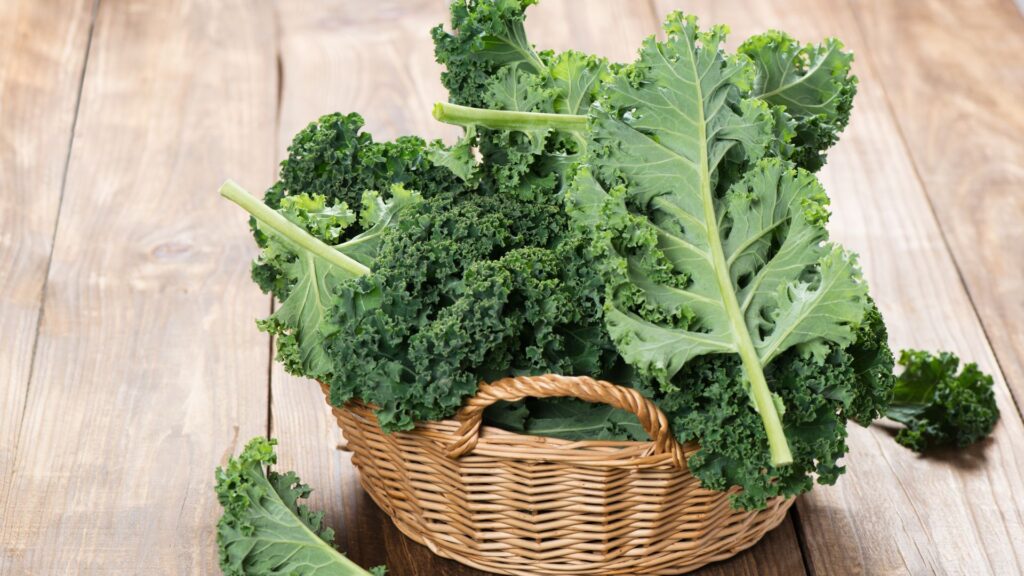
Vegetables like spinach, kale, and Swiss chard are excellent sources of magnesium, a mineral often overlooked in discussions about testosterone. Magnesium plays a role in hundreds of bodily processes, including hormone synthesis and energy production. Studies suggest that higher magnesium intake is linked to improved testosterone levels, particularly in active individuals.
Beyond hormones, leafy greens also provide antioxidants and fiber that benefit long-term health. Adding a handful of spinach to smoothies or sautéing kale as a side dish can make magnesium intake simple and effective.
5. Pomegranates
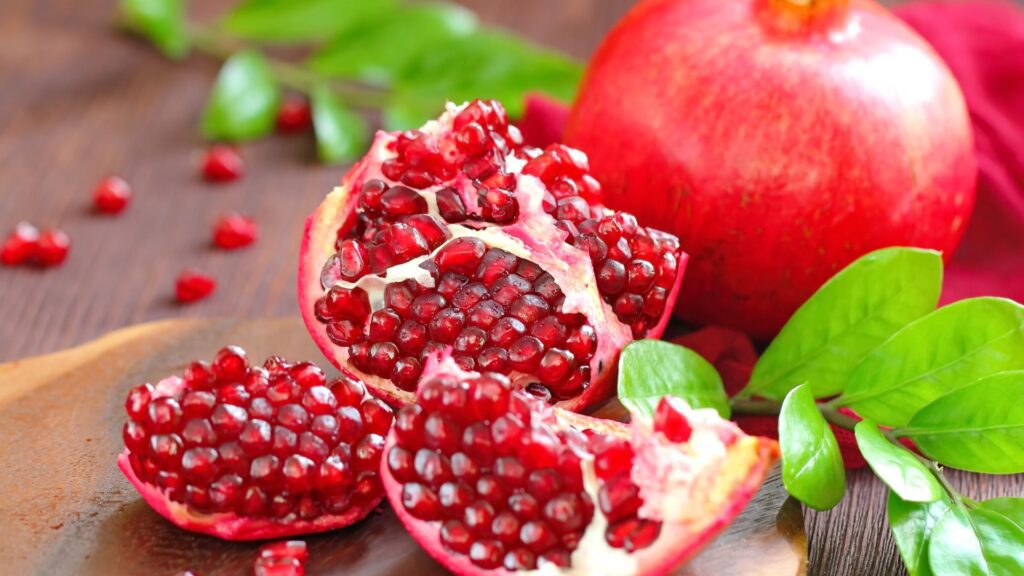
Pomegranates are not just rich in antioxidants, they may also support testosterone production. Research has shown that regular consumption of pomegranate juice can raise testosterone levels in both men and women. The antioxidants in this fruit also protect against oxidative stress, which can interfere with hormone balance.
Drinking pure pomegranate juice or enjoying the seeds directly offers an easy way to tap into these benefits. Beyond hormones, the fruit also supports heart health, making it a valuable addition to your daily routine.
6. Lean Beef

Lean cuts of beef provide protein, iron, and zinc, nutrients that all support hormone production. While red meat often gets a negative reputation, moderate intake of lean beef can benefit testosterone levels when balanced with vegetables and other whole foods. Grass-fed beef is especially nutrient-dense and may contain higher levels of omega-3s compared to grain-fed varieties.
Choosing the Right Cuts
Opting for lean cuts such as sirloin or tenderloin ensures you get the benefits without excess saturated fat. Pairing beef with vegetables can create a balanced meal that not only supports testosterone but also overall health. Moderation is important, as excessive red meat consumption can carry health risks if not balanced with other food groups.
7. Nuts

Nuts such as almonds, walnuts, and Brazil nuts are excellent for supporting hormone health. They contain monounsaturated and polyunsaturated fats, which are essential for testosterone production. Brazil nuts, in particular, are an excellent source of selenium, a mineral linked to hormone regulation and sperm health.
A small handful of nuts daily provides a nutrient-rich snack that contributes to healthy testosterone levels. They also promote heart health, making them a versatile choice for anyone looking to improve diet quality while boosting hormone support.
Wrapping Up
Supporting testosterone naturally does not require complicated diets or synthetic supplements. With oysters, eggs, fatty fish, leafy greens, pomegranates, lean beef, and nuts, you can give your body the nutrients it needs to sustain healthy hormone levels.
These foods provide not only specific nutrients like zinc, vitamin D, and healthy fats, but also a wide range of additional benefits for heart health, energy, and overall wellness.