
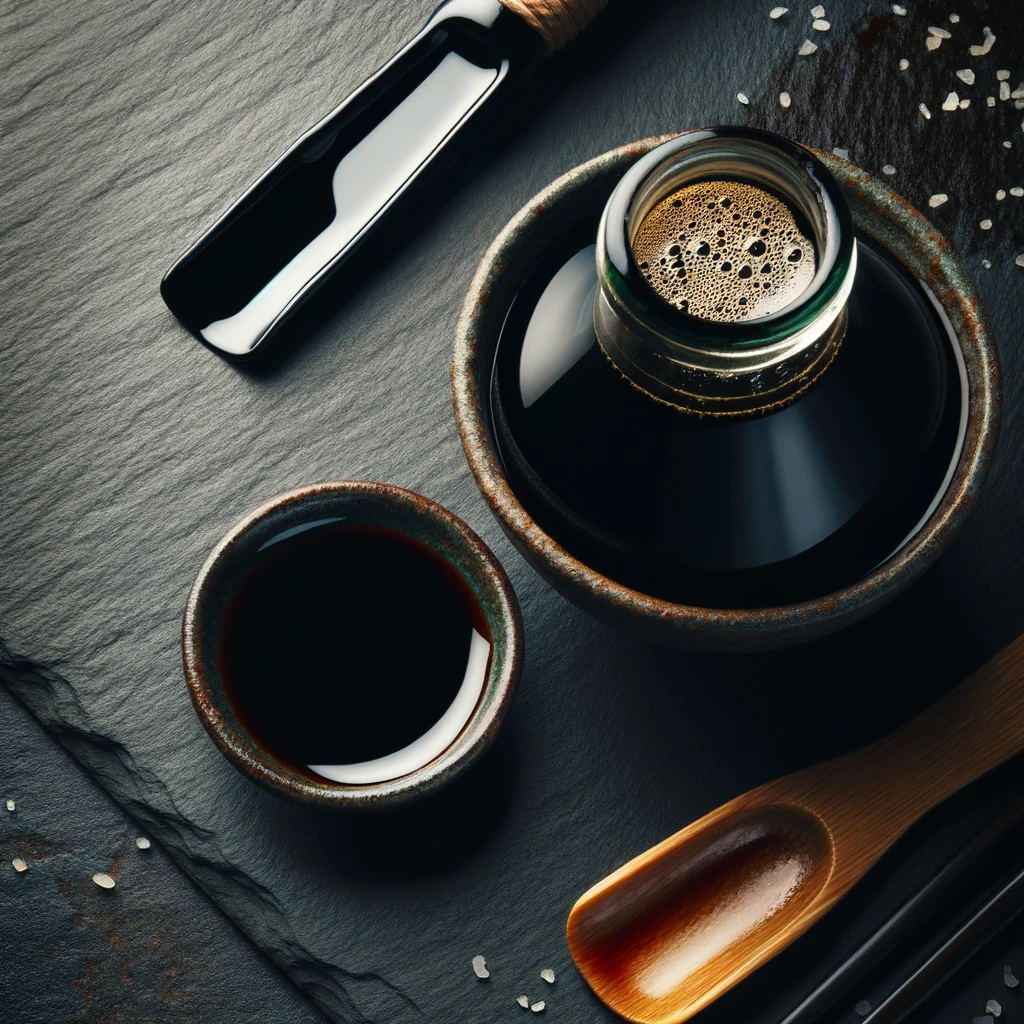
Soy sauce is a popular condiment used for seasoning stir-fries, marinades, and dips. It is made from fermented soybeans, roasted grain (such as wheat), brine, and molds like Aspergillus oryzae.
Given its high salt content, soy sauce is quite shelf-stable. However, it can degrade over time.
This article discusses the shelf life of soy sauce, how to know if it’s past its prime, its nutritional value, and substitutes to use when you’ve run short.
How long does it last?
Soy sauce will remain at its peak quality for about 2 to 3 years if unopened. This is because it is high in sodium, which acts as a natural preservative, preventing the growth of microorganisms that cause food spoilage.
Once opened, it can last well for about six months without significant changes in taste and quality. However, keeping it refrigerated will extend its shelf life to approximately three years.
So, does soy sauce go bad? The answer is yes. It can go bad if stored improperly; you might notice it becoming more sour or losing some of its vibrant salty tang.
Storage tips
Proper storage can go a long way to determine how long your condiment stays good. Here are some tips to ensure that your soy sauce remains fresh and effectively serves its purpose:
- Keep it cool and dark: The first tip is to store it in a cool, dark place, such as a pantry or cupboard. Exposure to heat and light can cause it to lose color and flavor.
- Refrigerate after opening: While unopened soy sauce can be stored at room temperature, it’s a good practice to refrigerate it once opened. The cooler temperatures slow down microbial growth, which can affect the sauce’s longevity.
- Use glass containers: If your sauce isn’t already in a glass bottle, consider transferring it. Glass containers are non-reactive and do a better job of blocking out light, helping to maintain the sauce’s flavor over time.
- Tightly seal the container: Ensure the lid is tightly closed after each use. A tight seal keeps out contaminants and moisture that could lead to spoilage.
- Avoid contamination: Use a clean utensil each time you dip into its container to avoid bacteria contamination. Additionally, avoid pouring soy sauce directly into cooking meals to prevent steam from entering the bottle.
Spoilage signs
Although soy sauce is known for its impressive shelf life, certain signs can indicate it has gone bad or started to degrade:
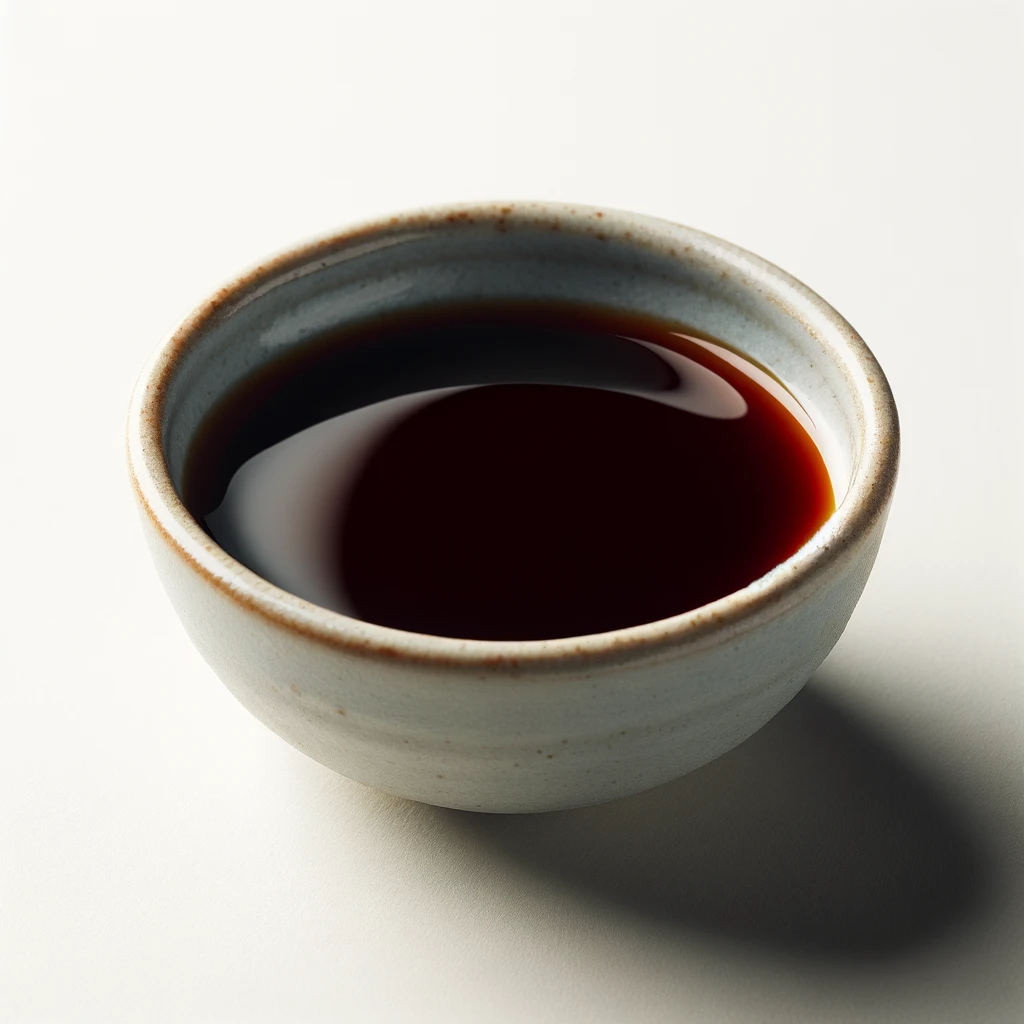
- Color change: Your condiment should have a deep brown or reddish-brown color. If you notice that it has turned darker or become cloudy, this could be a sign of oxidation, indicating spoilage.
- Off smells: Soy sauce should have a pleasant, slightly salty, and earthy aroma. Any sharp, sour, or otherwise unpleasant smells means that it might not be fit for use.
- Change in taste: If the color and smell seem fine, but you’re still unsure, tasting a small amount can help determine its quality. If it tastes overly sour or just “off” compared to its usual salty, umami flavor, it’s best to replace it.
- Mold growth: While rare, mold can develop if the bottle has been contaminated with food particles or not sealed properly. Any visible mold growth, no matter how small, means it should be discarded immediately.
Substitutes for dark soy sauce
Dark soy sauce is thicker, darker, and slightly sweeter than its lighter counterpart. Here are some condiments that can be used as substitutes in your cooking:
Tamari
Tamari is a gluten-free substitute. It’s thicker and darker than regular soy sauce, though not as much as dark soy sauce. You might want to add a bit of honey or sugar to enhance its flavor.
Light soy sauce with molasses or brown sugar
Mixing light soy sauce with molasses can provide a similar thickness and color to dark soy sauce. Combine two teaspoons of light soy sauce with one teaspoon of molasses to achieve the desired consistency and flavor.
Hoisin sauce
Hoisin sauce is another thick, flavorful sauce that combines ingredients like soybeans, garlic, and various spices. Its sweet and salty taste can effectively be used as a substitute in marinades and stir-fries.
Coconut aminos with molasses
For a soy-free and slightly healthier alternative, mix coconut aminos with a bit of molasses. This blend will have a milder taste but can mimic the sweetness and color of dark soy sauce.
Worcestershire sauce
Combining Worcestershire sauce with soy sauce can also serve as a substitute. Worcestershire adds a unique flavor that isn’t quite the same as dark soy sauce, but it can contribute a similar umami quality and color when mixed with regular soy sauce.
Oyster sauce
Though thicker and sweeter, this condiment can substitute in many dishes; it adds a depth of flavor similar to dark soy sauce but with a slight hint of seafood.
RELATED: Does Apple Cider Vinegar Go Bad?
Soy sauce nutrition
Soy sauce is low in calories and nutrients but high in sodium. Here’s a basic nutritional breakdown per tablespoon (about 15 mL):
- Calories: 8-10
- Protein: 1-2 grams
- Total Fat: 0 grams
- Carbohydrates: 1-2 grams
- Sodium: Approximately 900-1000 mg.
Frequently Asked Questions
Can it be stored at room temperature after opening?
Yes, you can store soy sauce in a pantry after opening. However, it’s best to refrigerate it to preserve for longer.
How long does soy sauce last once opened?
When kept at room temperature, it generally maintains good quality for about six months. If refrigerated, it can last up to two to three years.
What happens if you consume expired soy sauce?
Consuming expired soy sauce is unlikely to cause illness because it does not harbor harmful bacteria due to its high salt content. However, the flavor may not be as robust as expected.
ALSO READ: Does Oat Milk Go Bad? [6 Signs To Look Out For]
Wrapping up: Does soy sauce go bad?
Soy sauce can go bad but it takes a long time and usually only under less-than-ideal storage conditions. You can expect your opened it to last six months at room temperature and 2-3 years in the refrigerator.
