
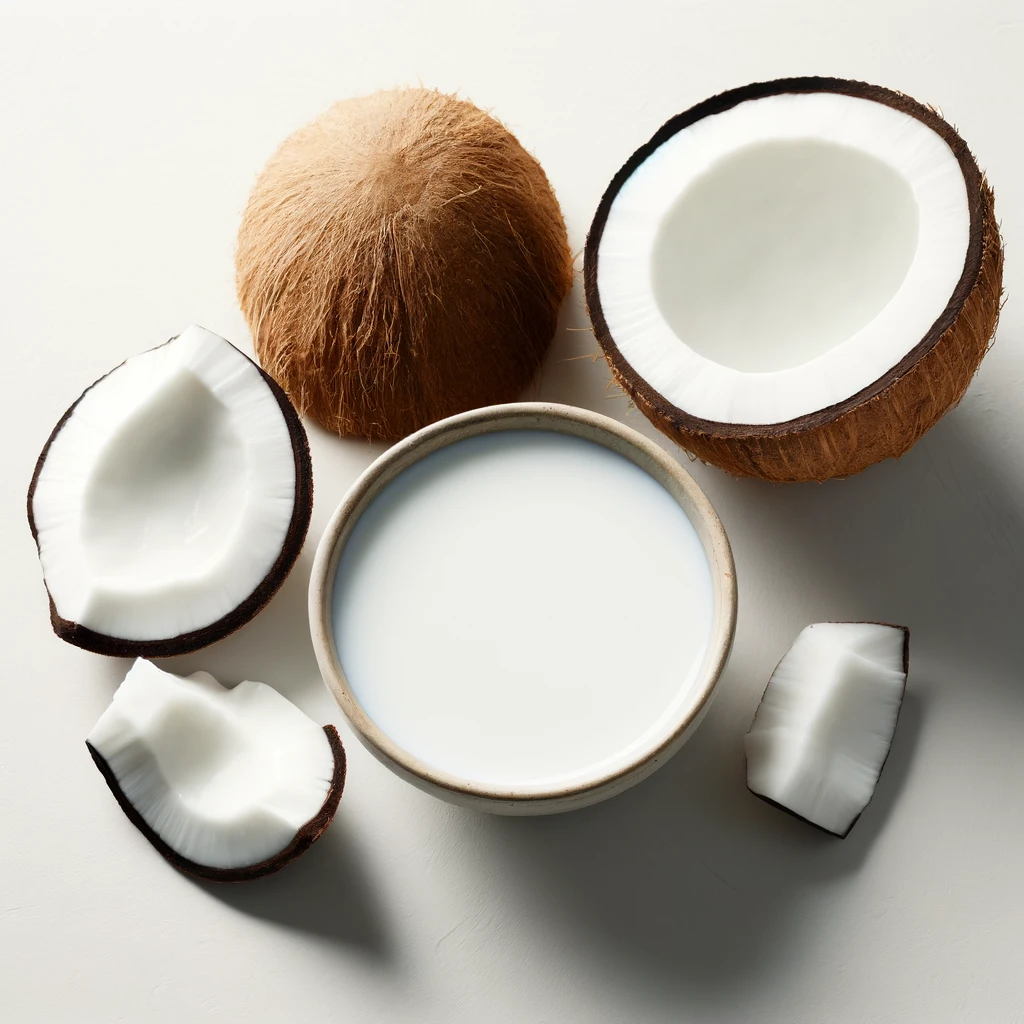
For those who are vegan or lactose intolerant, coconut milk offers a nutritious and tasty alternative. It’s a versatile ingredient that can be used in several dishes, from curries and soups to smoothies and desserts.
In this guide, we’ll walk you through a step-by-step tutorial to create your own creamy, delicious coconut milk right in your kitchen. Plus, its health benefits, shelf life, and best substitutes in curries.
Step-by-step guide to making coconut milk at home
Getting started
Below are the ingredients and tools needed:
- 1 fresh coconut or 2 cups of unsweetened coconut meat
- 2 cups of hot water
- Blender
- Cheesecloth or fine mesh strainer
- Bowl or container for straining
Step 1: Prepare the coconut
If you’re using a fresh coconut, start by piercing its eyes with a clean screwdriver or metal skewer. Drain the water into a bowl – you can drink it as it is or save it for later use in smoothies.
Next, crack open the coconut with a hammer or the back of a heavy knife. Separate the coconut meat from the shell using a knife or spoon.
Step 2: Blend the coconut
Cut the coconut meat into small pieces and blend it with warm water. The ratio of water to coconut meat depends on how thick you want your milk. A good starting point is a 1:1 ratio, which you can adjust according to your preference.
Step 3: Strain the milk
Place a cheesecloth or a nut milk bag over a bowl and pour the blended mixture through it. Squeeze and press the cheesecloth to extract as much milk as possible. There you have it – a creamy coconut milk ready to be enjoyed! You can save the leftover pulp for baking or making coconut flour.
Step 4: Store the milk
Transfer the strained milk into a jar or bottle and seal it tightly. Store it in the refrigerator for up to 4 days. Before using, shake the jar well, as the milk may separate when stored.
Substitutes for coconut milk in curry
While coconut milk is a staple ingredient in many curry recipes, there are times when you might run short of supply. The following can provide a similar richness and depth to your curries:
Heavy cream
For a rich and creamy texture, heavy cream or whipping cream can be an excellent substitute for coconut milk. Use them in a 1:1 ratio, but you may want to add a little water to achieve the desired consistency.
Yogurt
Plain yogurt is another great option, adding a tangy flavor and creaminess. It’s best added towards the end of cooking to prevent curdling. Use less yogurt, and consider thinning it with water to match the consistency.
Almond milk
For a nuttier flavor, almond milk can be a good vegan alternative. It’s lighter than coconut milk, so it might not provide the same thickness. To compensate, add a tablespoon of nut butter or flour to help thicken the sauce. Use a 1:1 ratio when substituting.
Soy milk
Soy milk mixed with olive oil offers a similar texture. Combine one cup of soy milk with one tablespoon of olive oil as a substitute for one cup of coconut milk.
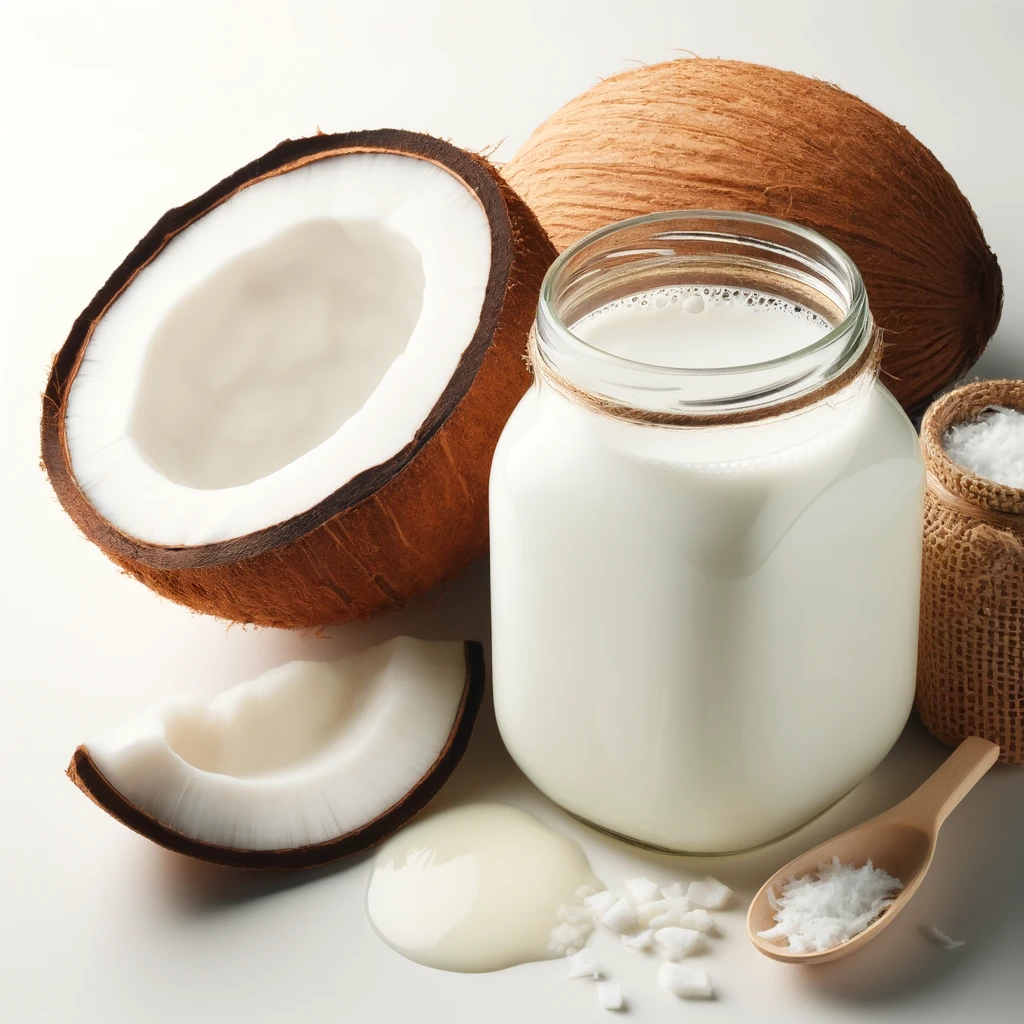
Health benefits of coconut milk
Coconut milk isn’t just a delicious alternative to dairy; it also boasts a variety of health benefits. Here are some of them:
Rich in nutrients
Despite its creamy consistency, coconut milk is a rich source of various nutrients. It is exceptionally high in manganese, essential for healthy bones and metabolism. Additionally, it contains significant amounts of copper, iron, magnesium, and selenium. These minerals are critical in everything from forming red blood cells to supporting your immune system.
Supports weight loss
The MCTs found in coconut milk can aid in weight management. Unlike other fats, MCTs are metabolized by the body more quickly, which means they’re less likely to be stored as fat. Moreover, MCTs have been shown to increase energy expenditure and help enhance feelings of fullness, leading to reduced calorie intake.
Anti-inflammatory properties
For individuals looking to reduce inflammation through diet, drinking coconut milk could be beneficial. Research suggests that MCTs can help suppress inflammatory responses, reducing the production of pro-inflammatory cytokines.
Its antioxidants, such as vitamin C, vitamin E, and certain phenolic compounds, can also help fight oxidative stress and may lower inflammation levels.
Great for skin and hair
Coconut milk is rich in fatty acids, which can help moisturize your skin and hair when applied topically. Furthermore, this milk’s anti-inflammatory and antimicrobial properties may alleviate skin conditions like eczema and dandruff.
How long can my milk last?
Now that you’ve switched to homemade coconut milk, it’s only normal to be concerned about its shelf life. So, how long does it last? Unlike store-bought products, which contains preservatives to extend its shelf life, homemade coconut milk is all-natural and preservative-free. This difference significantly affects how long it stays fresh.
Once you’ve made your milk, it will last up to four days in the refrigerator.
Can you freeze it?
Yes, freezing coconut milk is an excellent option, especially if you have more milk than you can use in a few days. Frozen milk can last up to a month without significant changes in flavor or texture.
To freeze, pour the milk into ice cube trays or a freezer-safe container, leaving some space at the top as it will expand when frozen. Note that upon thawing, the milk might separate or become grainy, but a quick blend or shake will return its creamy texture.
Thawed coconut milk is perfect for cooking and baking, but it might not whip as well as fresh milk, making it less ideal for some desserts.
Wrapping up
Making coconut milk at home is not only cost-effective but also allows you control over the ingredients and freshness. By following these tips, you can ensure perfect homemade results every time. Flavor your milk with vanilla extract, cinnamon, or other spices for more richness.