
Magnesium is a mineral that doesn’t always make the headlines in the health niche. However, it’s responsible for over a hundred biochemical reactions in our body.
According to experts, adult males and females should consume about 420 mg and 320 mg of magnesium daily, respectively, and a deficiency of magnesium can result in muscle cramps, fatigue, and irregular heart rhythms. This article will guide you through the best food sources of magnesium and their benefits to health.
Best sources of magnesium
1. Dark leafy vegetables
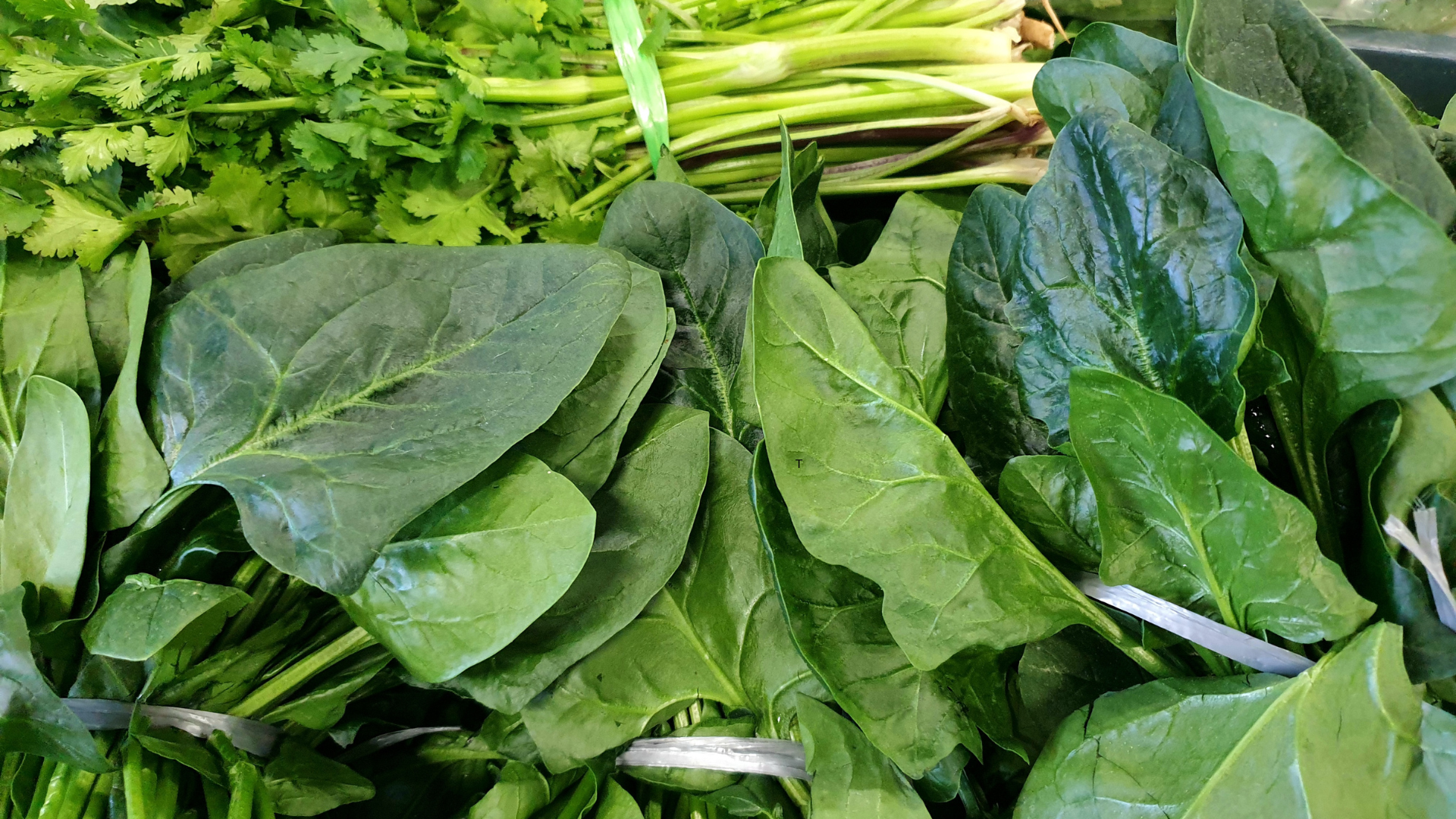
Leafy vegetables are one of the best sources of magnesium, with spinach, lima beans, and Swiss chard topping the list. According to Myfooddata.com, a cup of cooked spinach offers approximately 157 mg of magnesium, about 37% of the recommended daily intake for adults.
Other magnesium-rich vegetables are kale, green peas, okra, kale and artichokes. Eat them as salads, blend into smoothies, or simply sauté them as a side dish. The possibilities are endless!
2. Seeds and nuts
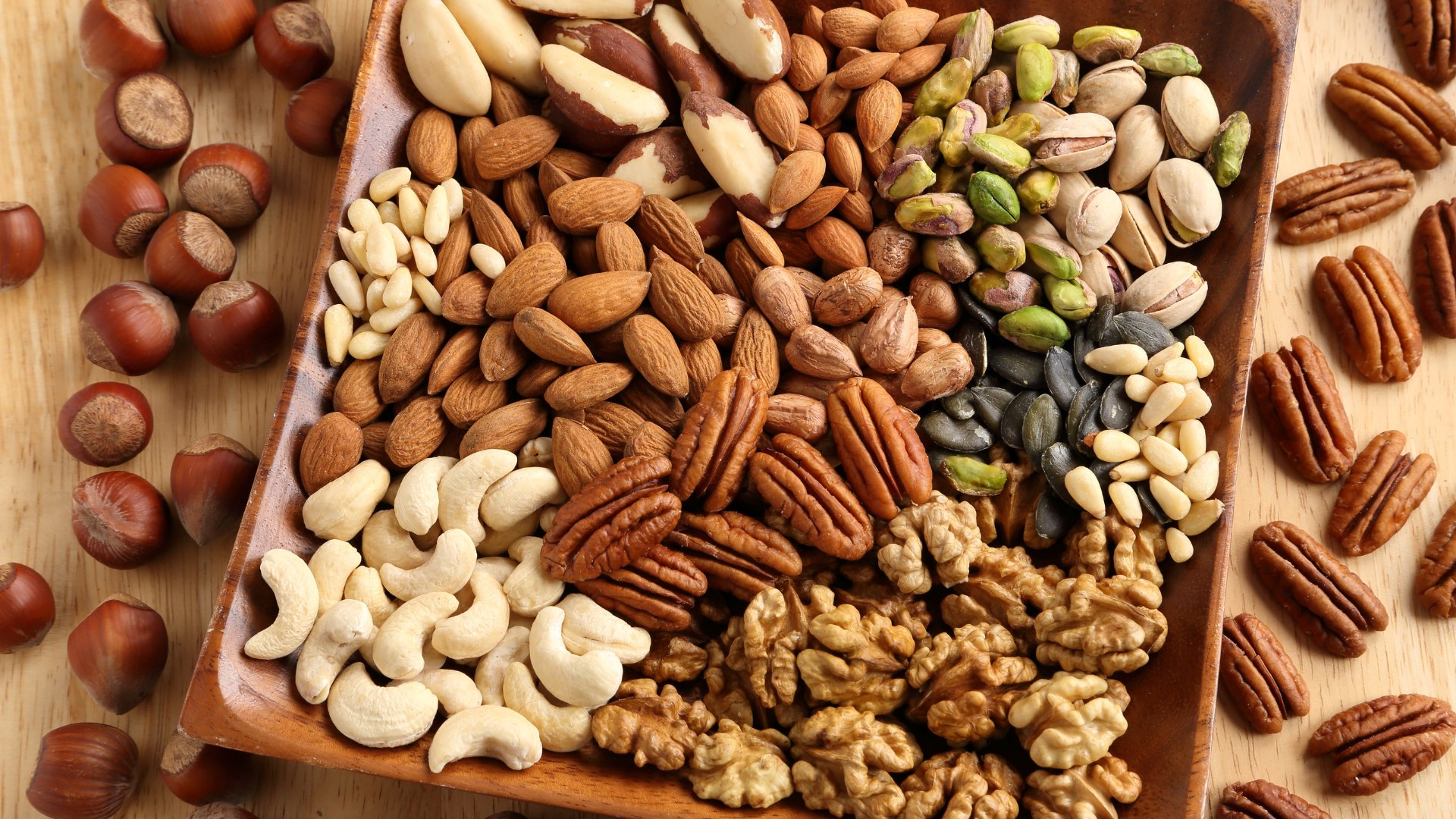
Seeds such as pumpkin, chia, and flaxseeds are high in magnesium, offering several health benefits. Just one ounce of pumpkin seeds contains about 150 mg of magnesium.
For nuts, almonds, cashews, and Brazil nuts are among the top magnesium-rich foods. They are also high in omega-3 fatty acids, which are good for your heart. Sprinkle them over your morning yogurt, blend them into smoothies, or mix them into your baking recipes for an extra nutrient boost.
3. Whole grains

Whole grains contain all three parts of grain kernels – the bran, germ, and endosperm. If you’re looking to boost your magnesium intake through grains, quinoa, whole wheat bread, brown rice, and oats are among the best options.
These grains bring more to the table, including B vitamins, fiber, and antioxidants, which support digestion and provide long-lasting energy.
4. Legumes
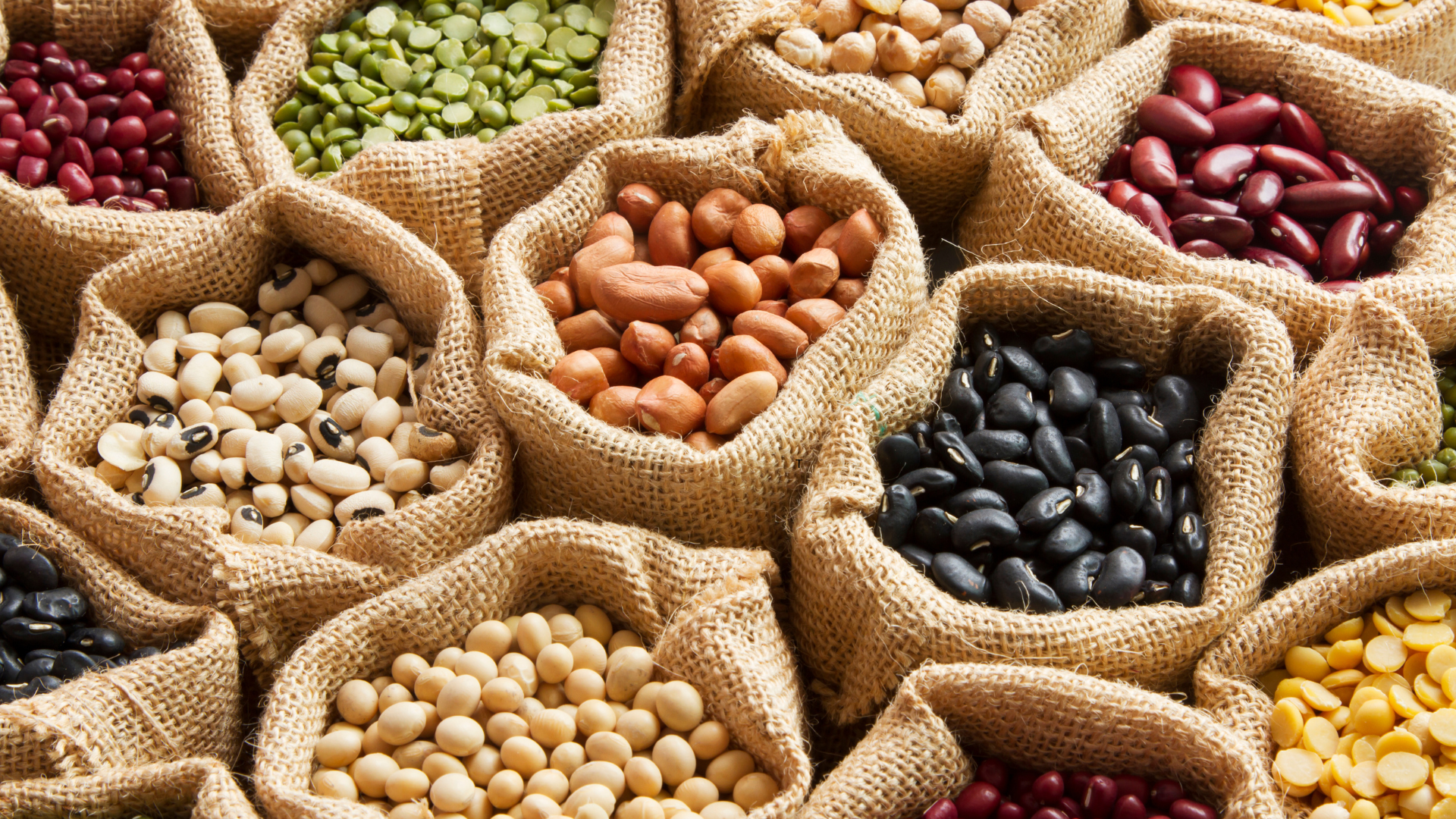
Another magnesium-rich source to consider is legumes, such as beans, lentils, chickpeas, and peas. A cup of cooked black beans, for example, provides 120 mg of magnesium, which is 29% of your daily magnesium needs.
Legumes are also high in protein and fiber, making them a great diet addition for vegans and vegetarians.
5. Avocados

A medium avocado contains about 58 mg of magnesium, accounting for 14% of the DV. This fruit is also high in monounsaturated fats, which help lower bad cholesterol levels, reducing the risk of heart disease.
What’s more? Avocados are incredibly versatile; add them to salads, spread on whole-grain toasts, or blend into smoothies for a silky-smooth texture.
Also read: Best Fruit Smoothies For Pregnant Women.
6. Bananas

While bananas are best known for their potassium content, they’re also a convenient and tasty way to meet your magnesium needs. A medium-sized banana contains about 32 mg of magnesium – 8% of the RDA for magnesium.
Additionally, they’re high in carbohydrates and fiber. So, if you need a quick energy boost before or after exercise, bananas are the way to go.
7. Fish

Fatty fish like salmon, mackerel, and halibut are excellent sources of magnesium. These fish also offer high-quality protein and omega-3 fatty acids, which are beneficial for optimal heart health.
You can grill, bake, or broil and pair them with a side of leafy greens for a nutrient-packed meal.
8. Dark chocolate

Interestingly, enjoying a small piece of dark chocolate, particularly those with 70% – 85% cocoa, can significantly contribute to your magnesium intake. Dark chocolate offers about 65 mg of magnesium per 1-ounce serving (28g), accounting for about 15% of the DV. It’s also rich in iron, copper, manganese, and antioxidants, particularly flavonoids.
9. Tofu

Tofu, or bean curd, is a nutritious food made from soybeans. A 100g serving provides about 58 mg of magnesium, along with a good dose of protein and calcium.
Its texture varies from soft to firm, making it suitable for smoothies, stir-fries, and more. Its liquid equivalent (soy milk) also provides similar benefits.
10. Figs

Dried figs are an excellent source of magnesium, offering 68mg (16% DV) per 100g serving. You can chop them into salads, enjoy as a snack, or use them to sweeten up oatmeal or yogurt.
Figs are also a good source of calcium, and their high fiber can aid digestion and help regulate blood sugar levels.
You may also like: Best Foods For Weight Loss
Health benefits of magnesium
Improves heart health
First and foremost, magnesium is incredibly beneficial for your heart. It helps regulate blood pressure, which is essential for preventing hypertension—a major risk factor for heart disease and stroke. By relaxing your blood vessels, magnesium ensures a smooth blood flow throughout the body.
Essential for healthy bones
While calcium often takes the spotlight when it comes to bone health, magnesium is just as important. It works in concert with calcium and vitamin D to support bone density, making it a key component in preventing osteoporosis.
Essential for muscle function
For athletes and those involved in regular workout, eating foods rich in magnesium can significantly boost your exercise performance. Magnesium assists in muscle contraction, reducing the risk of cramps and spasms.
Improves mental health
Magnesium participates in the synthesis of serotonin, a neurotransmitter that promotes happiness and well-being.
Some research suggests that supplementing with magnesium may help reduce symptoms of depression in some people.
Improve sleep quality
For those with insomnia or sleep disturbances, consuming magnesium-rich foods can help them sleep better. Magnesium is known to relax the nervous system, which can help alleviate stress and anxiety. Additionally, magnesium aids in producing melatonin, the hormone that aids restful sleep.
May help manage diabetes
For those managing diabetes, magnesium holds special significance. Research indicates that magnesium plays a role in glucose control and insulin sensitivity. Adequate magnesium levels can help lower the risk of type 2 diabetes by improving blood sugar control.
Final thoughts
The importance of magnesium in our body cannot be overemphasized. From building healthy bones to ensuring a healthy heart and aiding restful sleep, the benefits of magnesium are broad and impactful. Not sure how to begin? Consider incorporating leafy vegetables first as part of your daily meals.