
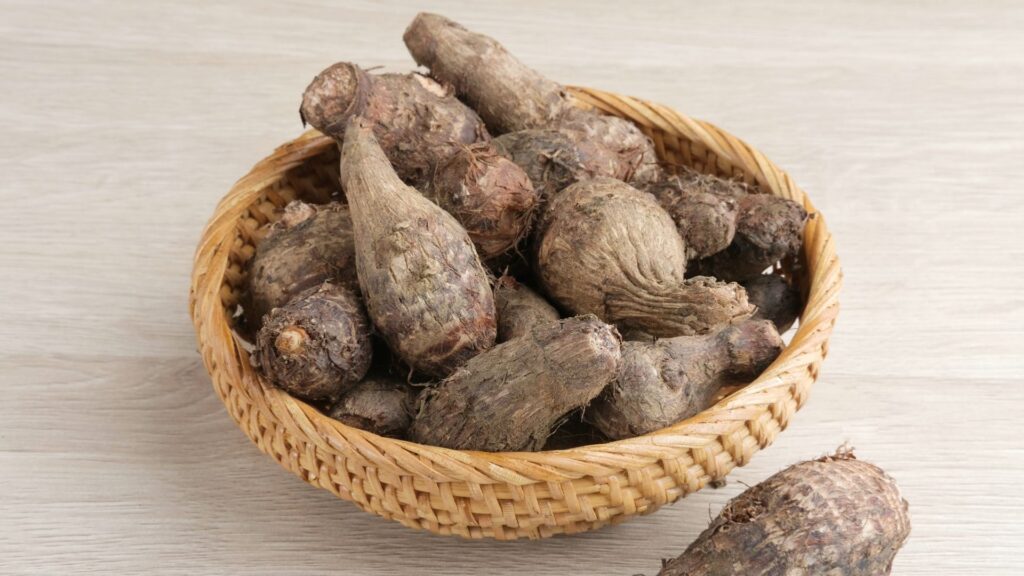
Known scientifically as Colocasia esculenta, taro is one of the oldest cultivated plants on Earth, thriving in wet, tropical climates. In many cultures, it has long been associated with wellness, energy, and longevity, and recent scientific research is beginning to explain why.
This article dives deep into the science-backed health benefits of taro and explains why this root deserves a spot on your plate.
What Is Taro?
Taro is a tropical tuber grown for both its edible corm (the root portion) and leaves, both of which are used in various dishes across Asia, Polynesia, and the Caribbean. Its distinctive purple-flecked flesh and brown, hairy skin make it easily identifiable.
Raw taro contains calcium oxalate crystals, which are toxic if not cooked properly, so both the root and leaves must be boiled, steamed, or otherwise thoroughly cooked before consumption. Once prepared correctly, taro becomes a flavorful and highly digestible food.
Common Names of Taro:
- In Hawaii: Kalo
- In Japan: Satoimo
- In India: Arbi or Seppankizhangu
- In the Caribbean: Dasheen
- In Africa: Often called Cocoyam
Health Benefits of Eating Taro
Supports Digestive Health
Taro is exceptionally high in dietary fiber, providing around 6–7 grams per cup of cooked root. This fiber plays a crucial role in maintaining healthy digestion by:
- Promoting regular bowel movements
- Preventing constipation
- Supporting a healthy gut microbiome
Even more notably, taro contains resistant starch, a type of carbohydrate that resists digestion in the small intestine and instead ferments in the large intestine. This fermentation process produces short-chain fatty acids (SCFAs), such as butyrate, which help maintain colon health and reduce inflammation.
As a prebiotic food, taro feeds beneficial gut bacteria, contributing to a more balanced and diverse microbiome, an important factor in immune function and disease prevention.
Helps Regulate Blood Sugar
Despite being a carbohydrate-rich root, taro may actually help improve blood sugar control. This is largely due to its combination of resistant starch and low glycemic index. Resistant starch slows the absorption of glucose into the bloodstream, preventing blood sugar spikes and crashes.
Studies show that diets rich in resistant starch can:
- Improve insulin sensitivity
- Lower fasting blood glucose levels
- Reduce postprandial blood sugar response
This makes taro a good carbohydrate choice for people with type 2 diabetes or metabolic syndrome, especially when replacing refined carbs like white rice or bread.
Promotes Heart Health
Taro is a heart-friendly food for several reasons. First, it is rich in potassium, a mineral that helps regulate blood pressure by counteracting the effects of sodium. One cup of cooked taro can provide over 500 mg of potassium, which is more than 10% of the recommended daily intake.
In addition to potassium, taro contains:
- Magnesium, which supports heart rhythm and vascular health
- Fiber, which helps reduce cholesterol levels
- Vitamin E and polyphenols, which act as antioxidants to protect blood vessels from oxidative stress
Together, these nutrients help lower the risk of hypertension, atherosclerosis, and stroke.
Supports Weight Management
Taro’s high fiber and resistant starch content contribute to satiety, helping you feel full longer and reducing the urge to snack between meals. Foods that delay gastric emptying—like taro—can aid in weight management by:
- Reducing total daily caloric intake
- Stabilizing hunger hormones like ghrelin
- Enhancing fat oxidation and metabolic efficiency
Moreover, taro is relatively low in calories compared to its satiety value, offering about 187 calories per cup of cooked root, making it a smart choice for those looking to manage their weight without sacrificing energy or nutrients.
Boosts Immune Function
Taro contains vitamin C, zinc, and copper, all of which are critical for maintaining a strong immune system. Vitamin C is an antioxidant that supports white blood cell production, helps fight infections, and aids in wound healing.
Copper and zinc, both found in trace amounts in taro, are essential for:
- Enzyme function
- Immune cell signaling
- Protection against oxidative stress
By providing these immune-enhancing micronutrients, taro helps the body respond more effectively to infections and inflammation.
Rich in Antioxidants
Taro is a good source of polyphenolic antioxidants, including cryptoxanthin, lutein, and beta-carotene — compounds known to protect cells from damage caused by free radicals.
Antioxidants in taro can:
- Reduce the risk of chronic diseases such as cancer and cardiovascular disease
- Delay cellular aging
- Protect vision and skin from oxidative stress
Notably, the purple varieties of taro contain anthocyanins, the same class of antioxidants found in blueberries and purple cabbage, which have been linked to brain health and cancer prevention.
Naturally Gluten-Free and Hypoallergenic
Taro is naturally gluten-free, making it a valuable alternative for people with celiac disease or gluten sensitivity. It’s also less allergenic than other starches, such as wheat or soy, and is often used in hypoallergenic diets, particularly for infants or those with food intolerances.
Its smooth texture when cooked also makes it ideal for those on soft food diets, such as individuals recovering from gastrointestinal surgery or dealing with dental issues.
How to Cook and Use Taro Safely
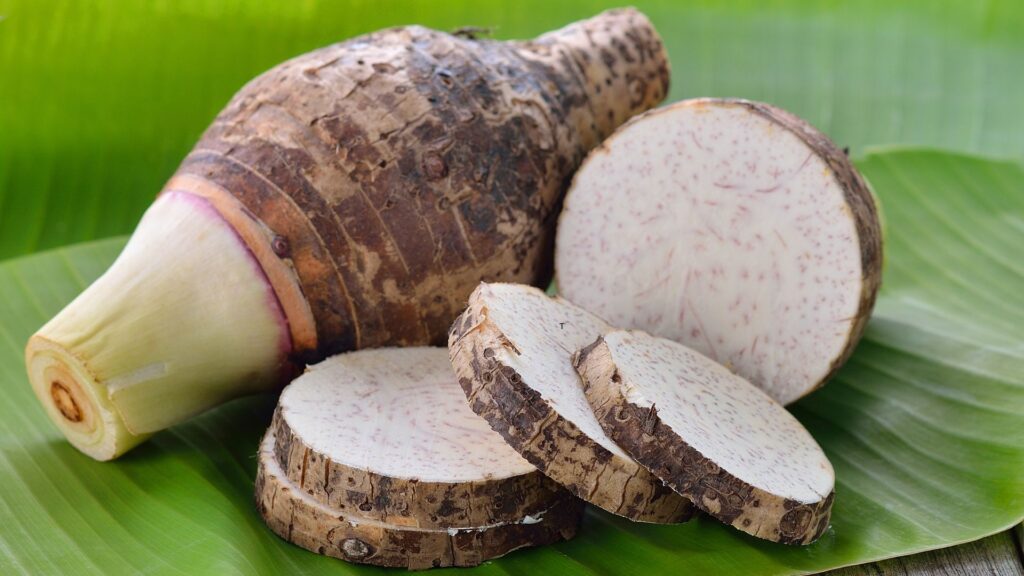
Taro must be cooked thoroughly to neutralize natural toxins, particularly calcium oxalate, which can irritate the mouth and throat or cause kidney issues if consumed in excess.
Cooking Tips:
- Peel taro carefully and rinse to remove surface oxalates.
- Boil or steam for 20–30 minutes until soft and translucent.
- Avoid consuming raw taro in smoothies or salads.
- Use cooked taro in:
- Soups and stews
- Mashed as a potato substitute
- Stir-fries or curries
- Baked goods and desserts (e.g., taro pudding, taro bread)
- Soups and stews
Taro leaves (called luau leaves in Hawaiian cuisine) must also be boiled well before use, typically for 45 minutes to 1 hour.
Frequently Asked Questions (FAQ)
Is taro healthier than potatoes?
Taro and potatoes have similar calorie content, but taro contains more fiber, antioxidants, and resistant starch, making it potentially better for digestive and blood sugar health.
Can I eat taro every day?
Yes, cooked taro can be eaten daily as part of a balanced diet. Its high fiber and nutrient content make it a beneficial carbohydrate source.
Is taro good for diabetics?
Yes, taro’s low glycemic index and resistant starch help regulate blood sugar, making it suitable for people with diabetes when consumed in appropriate portions.
Can taro cause allergies?
Taro is generally hypoallergenic, but it must be cooked to avoid irritation from calcium oxalate. Rare allergic reactions are possible, especially if undercooked.
Is taro good for babies?
Yes, pureed taro can be introduced to infants after 6 months, as it is easy to digest and rich in fiber and nutrients. Always cook thoroughly and avoid adding sugar or salt.
What does taro taste like?
Taro has a mild, nutty flavor with a creamy texture when cooked. It’s often compared to sweet potato but is less sweet and more earthy.
Wrapping Up
Taro is a nutrient-dense superfood with real, measurable health benefits. From aiding digestion and blood sugar control to supporting heart health and immune function, taro deserves a place in modern nutrition discussions.
When cooked properly, taro is not only safe to eat but a flavorful and highly adaptable ingredient for soups, stews, desserts, and more. If you’re looking to diversify your intake of complex carbs and functional foods, taro is a smart, science-backed choice.