
Flea remedies are essential for keeping pets and homes comfortable when these tiny pests invade. Fleas multiply quickly, feeding on pets and spreading into carpets, bedding, and furniture.
While commercial products are available, many pet owners prefer natural options that are safe, inexpensive, and effective for light infestations. This guide covers practical methods you can try using common household items.
Natural Remedies That Can Help Deal With Fleas
1. Apple Cider Vinegar Spray

Apple cider vinegar creates an acidic environment that fleas dislike, making it harder for them to stay on your pet’s coat. A diluted spray can be misted lightly over fur, avoiding eyes and sensitive areas.
While it won’t kill fleas, it helps repel them and makes pets less attractive targets. Regular use can support other methods in keeping your home flea-free.
2. Baking Soda and Salt Carpet Treatment

Carpets are common hiding spots for flea eggs and larvae. A mixture of baking soda and salt dries out these pests, reducing their numbers.
Sprinkle the blend across carpets, leave it for several hours, then vacuum thoroughly. Repeating this weekly can help maintain long-term control.
3. Coconut Oil for Your Pet’s Coat

Coconut oil contains lauric acid, which naturally deters fleas and nourishes the skin. Rubbing a thin layer into your pet’s coat makes it slick, making it harder for fleas to cling.
It also soothes irritation and supports overall coat health. Some pet owners even add a small amount to food for added skin benefits.
4. Lemon Water Rinse

Citrus has natural flea-repelling properties. By boiling sliced lemons in water and letting the mixture steep overnight, you can create a simple rinse.
Apply it after bathing your pet or spray it onto bedding for a fresh scent. This method discourages fleas without harsh chemicals.
5. Diatomaceous Earth on Floors and Bedding
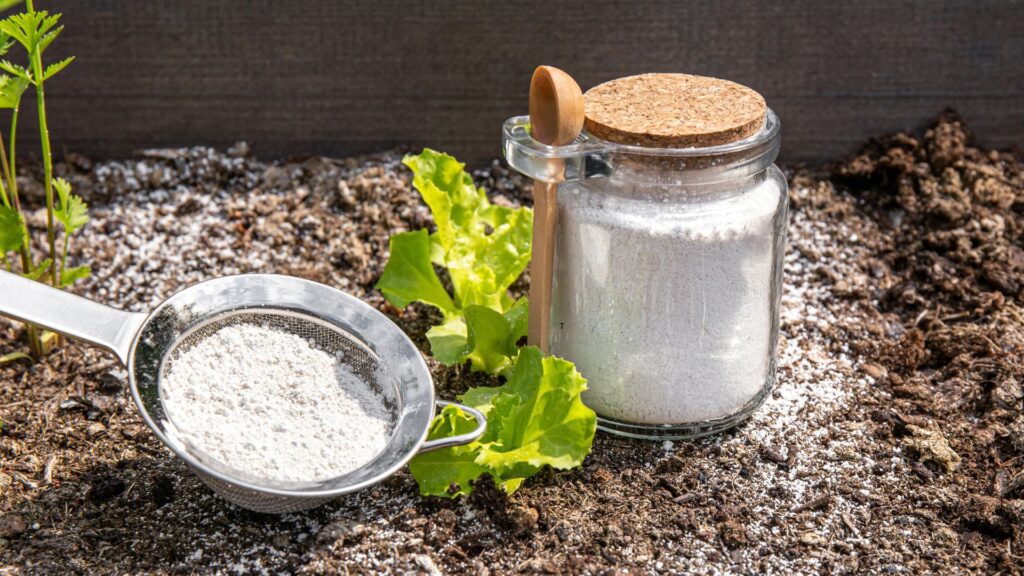
Food-grade diatomaceous earth is a fine powder that kills fleas by dehydrating them. Lightly sprinkling it on carpets, bedding, or around entryways helps reduce infestations.
It’s important to vacuum thoroughly after use and ensure you’re using food-grade, not industrial, varieties. This remedy works best when applied regularly in problem areas.
6. Homemade Flea Trap with Dish Soap
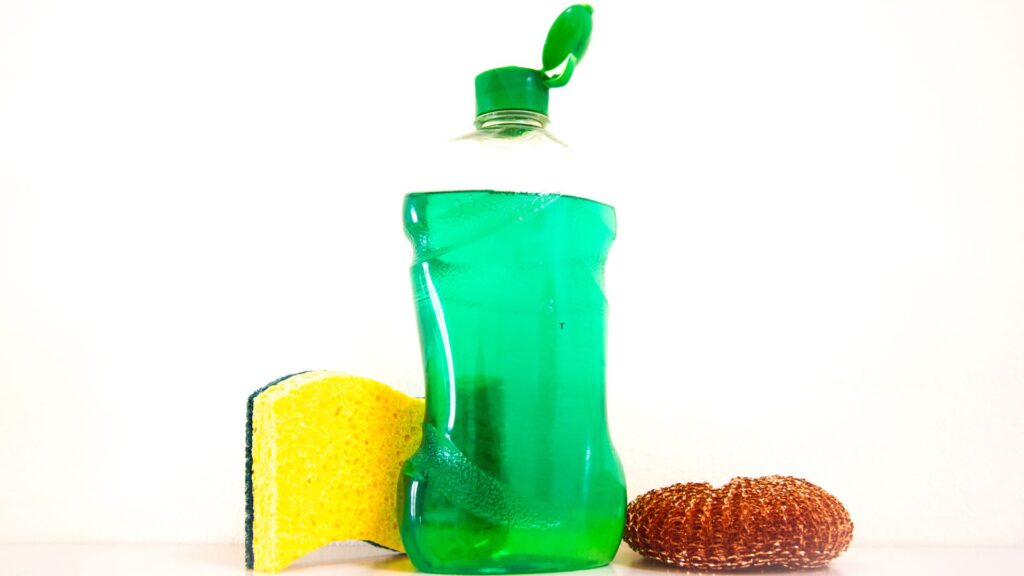
A dish soap trap is a simple way to monitor and reduce flea populations indoors. Fill a shallow dish with warm water and a few drops of dish soap, then place it near flea hotspots.
Fleas are drawn to the light and water but get trapped by the soap. Using this method at night can reveal activity levels and help keep numbers in check.
7. Rosemary as a Natural Repellent

Rosemary is another natural ingredient that can discourage fleas. Ground into powder and sprinkled in resting areas, it creates an unfriendly environment for pests.
You can also steep rosemary in boiling water, cool it, and use it as a rinse after bathing pets. It leaves a fresh, herbal scent while helping keep fleas away.
Frequently Asked Questions About Flea Remedies
Can I use these remedies for both cats and dogs?
Yes, most remedies are safe for both, but avoid essential oils for cats, as they can be sensitive to them.
How often should I apply natural flea remedies?
Frequency varies by method. Sprays and rinses may need reapplying every few days, while powders like diatomaceous earth can be used weekly.
Do natural flea remedies completely get rid of fleas?
They are effective for mild infestations and prevention. Severe infestations may require veterinary treatments for full control.
Is diatomaceous earth safe around kids and pets?
Food-grade diatomaceous earth is safe when used properly, but avoid inhalation and always vacuum after use.
Which remedy works the fastest?
Dish soap traps and diatomaceous earth often show quick results, while others are better for ongoing prevention.
Wrapping Up
Flea remedies made from everyday items give pet owners a safe, affordable way to manage pests. While they may not replace veterinary treatments for severe cases, they can significantly reduce infestations and bring comfort to pets.
Combining several methods often provides the best outcome. With consistency, you can protect your home and keep your pets happy without relying solely on chemical products.