
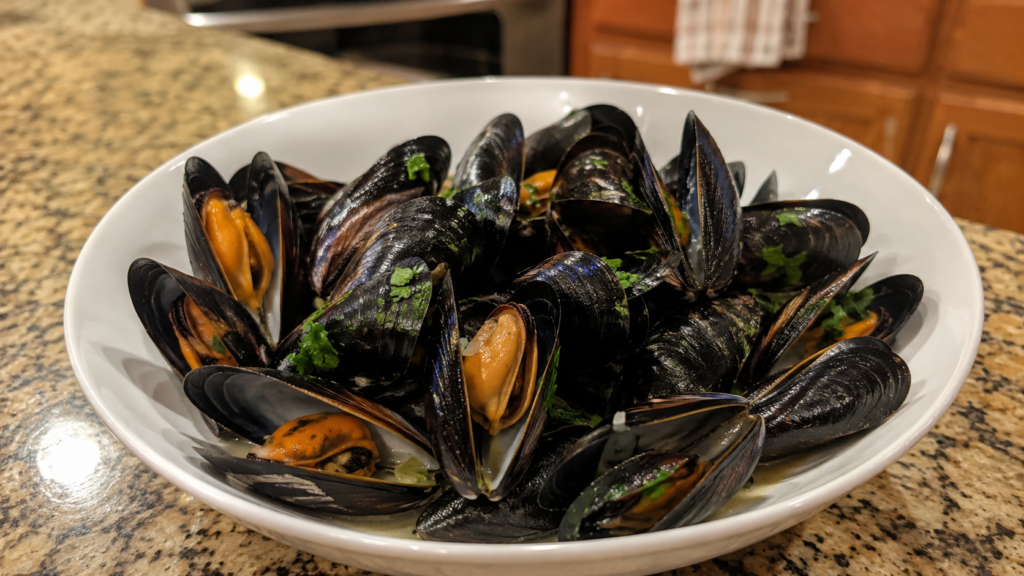
Mussels are a type of shellfish rich in protein and omega-3 fatty acids, providing many health benefits. They are commonly used in moules marinières and paella, a type of Spanish cuisine
It’s not unusual to walk past mussels at the seafood counter and reach out for shrimp, salmon, or crab. But do you know that mussels are one of the most nutrient-dense foods you can eat, and they cost a fraction of what most other high-quality proteins do?
This guide covers everything you need to feel confident about mussels. You’ll learn about their nutrition profile, specific health benefits, who should be careful eating them, and more. By the end, you will have enough information to make an informed decision and feel ready to cook your first pot. Let’s dive right in!
Table of Contents
ToggleWhat Are Mussels and Where Do They Come From?
Mussels are bivalve shellfish, meaning they have two hinged shells that enclose a soft body inside. They are found in both saltwater and freshwater environments and are harvested and farmed across North America, Europe, and Asia.
The two varieties you are most likely to find in American grocery stores and restaurants are blue mussels and green-lipped mussels. Blue mussels are the smaller, dark-shelled variety commonly farmed along the Atlantic and Pacific coasts of the US.
Green-lipped mussels come from New Zealand and are larger, with a distinctive green edge along the shell. Both are edible and nutritious, though green-lipped mussels have attracted specific attention in supplement research for their anti-inflammatory properties.
Mussel Nutrition Facts: What Is Actually in a Serving
A 100-gram serving of cooked mussels contains roughly the following, according to USDA.
| Nutrient | Amount per 100g |
|---|---|
| Calories | 172 kcal |
| Protein | 23.8g |
| Total Fat | 4.5g |
| Saturated Fat | 0.9g |
| Carbohydrates | 7.4g |
| Cholesterol | 56mg |
| Sodium | 369mg |
That calorie-to-protein ratio is hard to beat. You are getting nearly 24 grams of complete protein for just 172 calories. For comparison, the same weight of cooked chicken breast delivers around 165 calories and 31 grams of protein, but mussels come loaded with a micronutrient profile that chicken simply cannot match.
How mussels compare to two other popular proteins:
| Nutrient (per 100g cooked) | Mussels | Salmon | Chicken Breast |
|---|---|---|---|
| Protein | 23.8g | 25.4g | 31g |
| Omega-3 (EPA+DHA) | ~800mg | ~2,200mg | ~60mg |
| Vitamin B12 | 20mcg | 3.2mcg | 0.3mcg |
| Iron | 6.7mg | 0.8mg | 0.7mg |
| Selenium | 90mcg | 36mcg | 27mcg |
| Calories | 172 | 208 | 165 |
Salmon wins on omega-3 content. Chicken breast wins on total protein. But mussels win outright on B12, iron, and selenium, and they hold their own everywhere else.
Proven Health Benefits of Eating Mussels
The nutrition data above translates into real health benefits. Here is what the research says about what mussels can do for your body.
Mussels Support Heart Health
The omega-3 fatty acids EPA and DHA found in mussels are well-established in cardiovascular research. These fatty acids help reduce inflammation throughout the body, lower triglyceride levels, and support healthy blood pressure.
The American Heart Association recommends eating fish and shellfish at least twice a week for cardiovascular protection, and mussels fit that recommendation easily. Unlike red meat, mussels provide high-quality protein without the saturated fat load that is associated with increased cardiovascular risk.
Mussels Are Excellent for Brain Function
Your brain is largely made up of fat, and omega-3s are a critical building block for brain cell membranes. DHA specifically is concentrated in the brain and is associated with memory, cognitive performance, and protection against age-related neurological decline.
The B12 content in mussels adds another layer of brain benefit. B12 deficiency is directly linked to memory problems, mood changes, and in severe cases, nerve damage. Getting enough B12 through food like mussels is one of the simplest ways to protect your neurological health long-term.
Mussels Help Fight Iron Deficiency Anemia
Iron deficiency anemia is one of the most common nutritional deficiencies in the United States, particularly among women of reproductive age, teenagers, and people who follow plant-based diets. Mussels are one of the best dietary sources of heme iron available.
Because heme iron is absorbed at a rate of roughly 15 to 35 percent compared to just 2 to 20 percent for non-heme iron, eating mussels is a more effective strategy for raising iron levels than relying on plant sources alone. If you are working on improving your iron levels, adding mussels to your weekly meals is a practical and affordable step.
Mussels Benefit Thyroid Health
The thyroid gland depends on two nutrients to produce its hormones: iodine and selenium. Both are found in meaningful amounts in mussels. Iodine deficiency, which leads to thyroid dysfunction, is more common in the US than most people realize, particularly in inland areas where seafood consumption is low.
Selenium also protects the thyroid from oxidative damage. If you are not eating seafood regularly, your thyroid health may benefit from adding mussels to your diet on a consistent basis.
Mussels May Support Joint and Muscle Health
Green-lipped mussels have been studied for their potential to reduce joint inflammation. The specific omega-3 compounds and glycosaminoglycans found in green-lipped mussels are thought to support cartilage health and reduce markers of inflammation in people with conditions like osteoarthritis.
Most of this research has been conducted using concentrated green-lipped mussel extract in supplement form, but eating whole mussels as part of an anti-inflammatory diet still contributes relevant nutrients. For people dealing with joint discomfort, mussels are a sensible dietary addition.
Mussels Are Good for Weight Management
If you are working on managing your weight, mussels check multiple boxes. They are low in calories, high in protein, and provide enough fat to satisfy hunger without overdoing it. Protein is the most satiating macronutrient, meaning it keeps you full longer than carbohydrates or fat at the same calorie level.
A 200-gram serving of mussels delivers close to 50 grams of protein for under 350 calories. That is a powerful combination for anyone trying to eat in a calorie deficit without feeling hungry or sacrificing nutrition.
Mussels Are a Sustainable Protein Choice
This benefit sits at the intersection of health and environmental responsibility, and it matters to a growing number of American consumers. Mussel farming has one of the lowest environmental footprints of any animal protein. Mussels require no land, no fresh water, and no supplemental feed.
They grow by filtering nutrients from the surrounding water, and in doing so, they actively improve water quality. Choosing mussels over less sustainable seafood or factory-farmed meat is a decision that benefits both your body and the food system.
Who Should Avoid or Limit Mussels
Mussels are safe and beneficial for most people, but there are specific groups who should be cautious or avoid them entirely.
Shellfish allergy
If you have a known shellfish allergy, mussels are off the table entirely. Shellfish allergy is one of the most common and potentially severe food allergies in adults, and it does not go away over time. Reactions can range from hives and digestive upset to anaphylaxis, which is a life-threatening emergency.
Pregnant women
Mussels that are fully cooked are generally considered safe during pregnancy and are actually a good source of nutrients that support fetal development, including iron and DHA. However, raw or undercooked shellfish should be avoided completely during pregnancy due to the risk of Listeria and Vibrio bacteria. Always follow the guidance of your OB or midwife and check current FDA shellfish advisories if you are pregnant.
Immunocompromised individuals
People undergoing chemotherapy, those with HIV, organ transplant recipients, or anyone with a significantly weakened immune system should be extra cautious with shellfish.
Even properly cooked mussels carry a small risk of bacterial contamination, and the consequences of a foodborne illness are more severe in people with compromised immunity.
People with gout
Mussels are relatively high in purines, which break down into uric acid in the body. Elevated uric acid is the underlying cause of gout flares. If you have gout, limit your mussel intake and discuss seafood consumption with your doctor.
People on blood thinners
Mussels contain omega-3 fatty acids, which have mild blood-thinning properties. If you are taking anticoagulant medications like warfarin, eating large amounts of omega-3-rich foods may affect your medication’s effectiveness. Talk to your healthcare provider about appropriate intake levels.
If you fall into any of these categories, a conversation with a registered dietitian or your primary care physician is the most appropriate next step before adding mussels to your diet regularly.
How to Buy Fresh Mussels and What to Look For
Buying good mussels starts at the counter. Freshness is everything with shellfish, and knowing what to look for takes the guesswork out of the process.
Smell: Fresh mussels should smell like the ocean, clean and briny. Any strong ammonia smell or sour odor is a clear sign they are past their prime. Put them back.
- Shell appearance: Look for shells that are tightly closed or that close when you handle them. Avoid any with cracked or visibly damaged shells.
- The tap test: If a mussel’s shell is open, tap it firmly against the counter or against another mussel. A live mussel will close its shell in response. If it stays open after tapping, it is dead and should not be eaten.
- Weight: Fresh mussels should feel solid and heavy relative to their size. A mussel that feels unusually light or hollow is likely empty or dead inside.
- Farmed vs wild: For most American home cooks, farmed mussels are the better choice. They tend to be cleaner, more consistent in size, and more reliably sourced from regulated waters. Look for country of origin labeling and purchase from reputable fish counters or seafood suppliers.
- Storage at home: Once you bring fresh mussels home, use them within one to two days. Store them in the refrigerator in a bowl covered with a damp cloth, not submerged in water or sealed in an airtight bag. Mussels are alive and need to breathe.
How to Clean Mussels Before Cooking
Cleaning mussels is straightforward and takes about five minutes. Start by placing your mussels in a colander and rinsing them under cold running water. Use a stiff brush or the rough side of a sponge to scrub the outside of each shell, removing any grit, barnacles, or debris.
Next, remove the beard. The beard is the fibrous, stringy thread that pokes out from between the shells. It is what mussels use to anchor themselves to surfaces. Grab it firmly between your thumb and the side of a knife and pull it toward the pointed end of the mussel with a firm tug. Not all mussels will have a visible beard, especially farmed ones.
As you work, do your final check on shell condition. Discard any mussels with cracked shells or any that remain open and do not respond to tapping.
Do not soak mussels in fresh water for extended periods. Fresh water can kill them. A quick rinse is all they need.
How to Cook Mussels Safely: Methods, Times, and Temperatures
Proper cooking is the most important step in eating mussels safely. When done right, cooking eliminates the bacteria that cause most shellfish-related foodborne illnesses.
Safe Internal Temperature for Mussels
The FDA recommends cooking mussels to an internal temperature of 145 degrees Fahrenheit (63 degrees Celsius). In practical terms, the clearest visual indicator is that the shells have opened fully. Any mussel that remains closed after cooking should be discarded, as it may not have reached a safe temperature.
Steaming Mussels
Steaming is the most popular and reliable cooking method for mussels. Here is how to do it:
Add about one inch of water, broth, or wine to a large pot with a tight-fitting lid. Bring the liquid to a boil over high heat. Add the cleaned mussels, cover the pot, and steam for five to seven minutes, shaking the pot once or twice during cooking. Mussels are done when all the shells have opened. Serve immediately.
Cooking Mussels in White Wine or Broth (Moules Mariniere Style)
This is the classic French preparation that has become popular across the United States. In a large pot, heat two tablespoons of butter or olive oil over medium heat. Add minced garlic and shallots and cook for two minutes. Add one cup of dry white wine or seafood broth and bring to a simmer. Add cleaned mussels, cover, and cook for five to seven minutes until all shells open. Finish with fresh parsley and a squeeze of lemon. Serve with crusty bread to soak up the broth.
Other Cooking Methods
Mussels can also be baked on the half shell with a breadcrumb and herb topping, grilled over high heat until they pop open, or added to pasta dishes, chowders, and paella during the final few minutes of cooking. In every case, the rule is the same: cook until the shells open and discard any that do not.
What Is Paralytic Shellfish Poisoning?
Paralytic shellfish poisoning, or PSP, is the most serious safety concern associated with shellfish consumption. It is caused by toxins produced during harmful algal blooms. Shellfish like mussels filter large volumes of water and can accumulate these toxins in their tissue.
The critical thing to understand about PSP is that cooking does not destroy the toxins. Heat kills bacteria but it does not neutralize the biotoxins produced by harmful algae. This is why sourcing matters just as much as cooking technique.
To protect yourself, buy mussels from licensed, reputable suppliers that source from regularly monitored waters. Commercial shellfish harvesting in the US is regulated by state agencies in cooperation with the FDA, and certified shellfish beds are tested regularly for biotoxin levels.
Avoid harvesting wild mussels from unknown waters, particularly during warm months when algal bloom risk is higher in coastal areas.
Mussels vs Clams vs Oysters: How Do They Compare Nutritionally
If you enjoy shellfish in general, it helps to know where mussels fit relative to their closest relatives.
relatives.
| Nutrient (per 100g cooked) | Mussels | Clams | Oysters |
|---|---|---|---|
| Calories | 172 | 148 | 102 |
| Protein | 23.8g | 25.5g | 11g |
| Iron | 6.7mg | 28mg | 6mg |
| Vitamin B12 | 20mcg | 98mcg | 16mcg |
| Omega-3 (EPA+DHA) | ~800mg | ~300mg | ~600mg |
| Zinc | 2.7mg | 2.3mg | 91mg |
Clams win on iron and B12 in raw numbers. Oysters are the clear leader on zinc, providing more than the entire recommended daily intake in a single serving. Mussels are the most balanced of the three, delivering strong numbers across protein, omega-3s, B12, and iron without being extreme in any single direction.
A Simple Mussel Recipe Anyone Can Make
If you have never cooked mussels before, this recipe is the best place to start. It takes about 20 minutes from start to finish and produces a result that genuinely impresses.
Classic Garlic and White Wine Mussels
Ingredients for 2 servings:
- 2 pounds fresh mussels, cleaned and debearded
- 3 tablespoons unsalted butter
- 4 garlic cloves, minced
- 1 small shallot, finely diced
- 1 cup dry white wine (a Sauvignon Blanc or Pinot Grigio works well)
- A small handful of fresh flat-leaf parsley, roughly chopped
- Salt and black pepper to taste
- Crusty bread for serving
Instructions:
Melt the butter in a large pot over medium heat. Add the garlic and shallot and cook, stirring, for about two minutes until softened and fragrant. Pour in the white wine and raise the heat to bring it to a boil.
Add the mussels in a single layer if possible, cover the pot with a tight lid, and cook for five to seven minutes. Give the pot a shake halfway through. When the shells have opened, the mussels are done.
Scatter the parsley over the top, taste the broth for seasoning, and serve immediately in deep bowls with plenty of bread on the side. Discard any mussels that have not opened by the time the rest are done.
Frequently Asked Questions About Mussels
How many mussels should I eat in one serving
A standard serving is around 200 to 250 grams of cooked mussels, which works out to roughly 12 to 18 individual mussels depending on their size. This delivers a significant amount of protein, well over 100 percent of your daily B12 needs, and a meaningful dose of omega-3s and iron, all within a relatively modest calorie range.
Can you eat mussels every day
For most healthy adults, eating mussels several times a week is safe and beneficial. Eating them daily is unlikely to cause harm, but nutrition guidelines in the US generally encourage variety in your seafood intake rather than relying on a single source. Rotating mussels with other seafood choices gives you a broader range of nutrients and reduces the chance of overexposure to any specific contaminant.
Are frozen mussels as nutritious as fresh
Yes, frozen mussels retain the vast majority of their nutritional value. The freezing process has minimal impact on protein content, omega-3 fatty acids, and most vitamins and minerals. Frozen mussels are a practical, more affordable option and are widely available in American grocery stores. Look for individually quick frozen (IQF) mussels for the best quality.
How do you know if a mussel has gone bad?
Trust your senses. Spoiled mussels have a strong, unpleasant smell that is distinctly different from the clean ocean scent of fresh ones. Any mussel with an open shell that does not close when tapped before cooking, or any mussel that remains closed after cooking, should be discarded without exception. When in doubt, throw it out. The risk is not worth it.
Do mussels have a lot of cholesterol?
Mussels contain a moderate amount of dietary cholesterol at around 56 milligrams per 100 grams. Current nutritional science has largely moved away from viewing dietary cholesterol as a primary driver of cardiovascular risk in healthy adults. For most people, the saturated fat content of a food is a greater concern than its cholesterol content, and mussels are low in saturated fat.
The Bottom Line on Mussels
Mussels deserve a much bigger place in the American diet than they currently have. From a purely nutritional standpoint, they are difficult to beat. The combination of high-quality protein, extraordinary B12 levels, bioavailable iron, heart-healthy omega-3s, and essential minerals like selenium and zinc puts them in a category with very few rivals, and they do all of this at a price point that makes them accessible to most households.
Now, you know what nutrients mussels contain, what they do for your health, who should exercise caution, and exactly how to buy, clean, and cook them safely. The only thing left is to try them.
Start with the garlic and white wine recipe above. It is simple, fast, and shows you exactly why people across coastal America keep coming back to mussels week after week.