

Fiddlehead ferns, with their whimsical spiral form and earthy flavor, have become a seasonal favorite among foragers and health enthusiasts. Though they appear fleetingly in springtime markets, their health benefits are anything but insignificant.
In this guide, we’ll explore what fiddleheads are, how they compare nutritionally to common vegetables, and the science-backed health benefits they offer when properly prepared and consumed. We’ll also cover safety tips and answer the most frequently asked questions surrounding this fascinating food.
What Are Fiddlehead Ferns?
Fiddleheads are the young, coiled fronds of certain fern species, most commonly the ostrich fern (Matteuccia struthiopteris), that are harvested in early spring before they unfurl into full leaves. Their name comes from their resemblance to the head of a violin or fiddle.
In many cultures, including rural areas of Japan and Nepal, fiddleheads are celebrated for their flavor, texture, and nutritional value. They are typically foraged rather than farmed and must be cooked thoroughly to be safe for consumption due to the presence of natural toxins found in raw ferns.
Nutritional Profile of Fiddleheads (Per 100g Cooked)
| Nutrient | Amount | % Daily Value |
| Calories | ~35 kcal | 2% |
| Carbohydrates | ~6 g | 2% |
| Fiber | ~3.5 g | 14% |
| Protein | ~4 g | 8% |
| Fat | ~0.5 g | 1% |
| Vitamin C | ~25 mg | 42% |
| Vitamin A | ~1200 IU | 24% |
| Iron | ~1 mg | 6% |
| Potassium | ~370 mg | 11% |
| Omega-3 (ALA) | ~120 mg | — |
| Vitamin K | ~30 mcg | 25% |
| Manganese | ~0.5 mg | 25% |
Health Benefits of Eating Fiddleheads
Rich Source of Antioxidants
Fiddleheads are loaded with powerful antioxidants, including vitamins A and C, as well as flavonoids and carotenoids. These compounds help fight oxidative stress in the body by neutralizing free radicals, which are unstable molecules linked to aging and chronic diseases such as cancer and heart disease.
In particular, vitamin C in fiddleheads helps regenerate other antioxidants in the body, supports collagen formation, and boosts immune function. Vitamin A contributes to eye health, skin regeneration, and immune system support.
High in Omega-3 and Omega-6 Fatty Acids
Unlike many leafy greens, fiddleheads contain essential fatty acids, including alpha-linolenic acid (ALA), a type of omega-3. These fatty acids are important for brain health, cardiovascular function, and inflammation control.
Most vegetables offer little to no fat, so the presence of these beneficial lipids makes fiddleheads a rare and valuable addition to plant-based diets aiming to meet omega-3 needs without seafood.
Excellent Source of Fiber
Fiddleheads are high in dietary fiber, which promotes digestive health, prevents constipation, and helps regulate blood sugar levels. A single cup of cooked fiddleheads can provide several grams of fiber, contributing significantly to the recommended daily intake.
Dietary fiber also helps lower cholesterol levels, supports satiety (making you feel full), and fosters a healthy gut microbiome, factors that can contribute to weight management and reduced risk of chronic illness.
Supports Immune Health
Fiddleheads’ vitamin C content makes them a natural immune booster. In addition, they contain small amounts of manganese, a mineral essential for enzyme function and immune defense. Combined, these nutrients support the body’s natural ability to ward off infections and maintain cellular integrity.
The presence of polyphenols and plant alkaloids also suggests potential antimicrobial and antiviral properties, though more research is needed to confirm these effects specifically in fiddleheads.
Promotes Heart Health
Several nutrients in fiddleheads support cardiovascular health. The fiber helps manage cholesterol, while the omega-3 fatty acids reduce inflammation and lower blood triglycerides. Additionally, minerals like potassium aid in regulating blood pressure by counterbalancing the effects of sodium.
Vitamin K, also present in fiddleheads, plays a role in blood clotting and arterial health, helping reduce the risk of atherosclerosis and stroke.
Safety Precautions: How to Eat Fiddleheads Safely
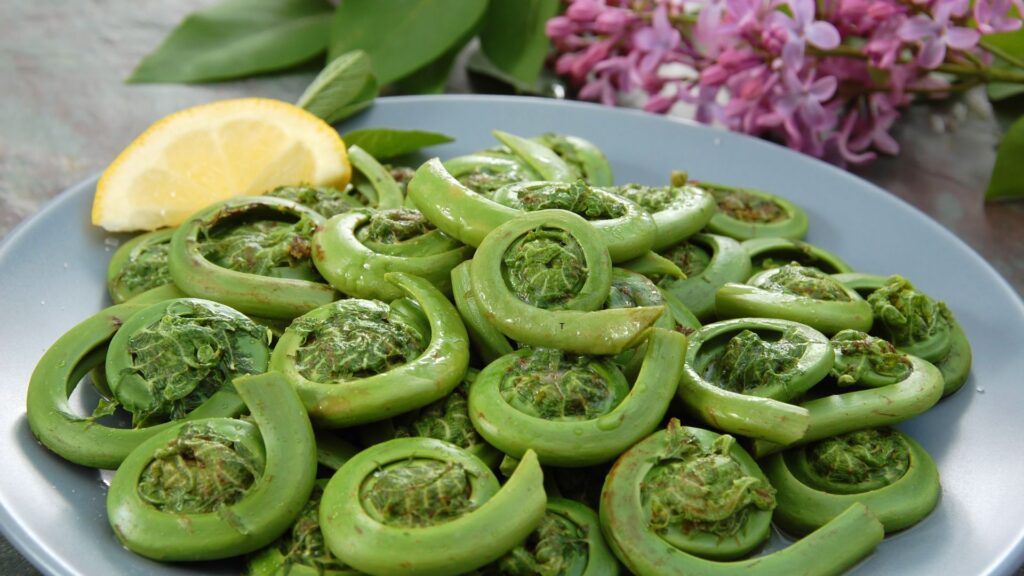
Fiddleheads contain natural toxins (including ptaquiloside in some fern types) that can cause nausea, vomiting, or food poisoning if consumed raw or undercooked.
Cooking Guidelines:
- Boil fiddleheads for 10–15 minutes, or steam for 10–12 minutes.
- Discard the cooking water after boiling to eliminate bitter compounds.
- Never eat fiddleheads raw, in salads, or lightly sautéed without prior boiling.
Fiddlehead Ferns vs. Other Leafy Greens
How do fiddleheads stack up against more common greens like spinach or kale? Here’s how:
| Nutrient | Fiddleheads (100g) | Spinach (100g) | Kale (100g) |
| Calories | ~35 kcal | ~23 kcal | ~49 kcal |
| Vitamin A | High | Very High | Very High |
| Vitamin C | High | High | Very High |
| Fiber | High | Medium | High |
| Omega-3 (ALA) | Moderate | Low | Low |
| Preparation Needed | High (must cook) | Low (can be raw) | Medium (best cooked) |
Frequently Asked Questions (FAQ)
Are fiddleheads safe to eat?
Yes, but only when thoroughly cooked. Raw or undercooked fiddleheads can cause gastrointestinal distress due to natural toxins. Always boil or steam before eating.
What do fiddleheads taste like?
They taste like a blend of asparagus, spinach, and green beans, with a slightly nutty or grassy flavor. Their texture is tender with a mild bite.
When are fiddleheads in season?
Fiddleheads are available in early spring, typically April through May in North America. Their availability is short-lived and highly regional.
How should fiddleheads be stored?
Store them in the refrigerator, unwashed and in a loosely sealed bag, for up to 2-3 days. For long-term storage, blanch and freeze them.
Can I forage my own fiddleheads?
Yes, but it requires accurate identification. Only harvest from ostrich ferns and consult a foraging expert if you are unsure, as other ferns can be toxic.
Wrapping Up
Fiddleheads are one of the most underrated superfoods available today. When cooked properly, they offer a dense concentration of essential nutrients like fiber, antioxidants, omega-3 fatty acids, iron, potassium, and vitamin C.
These coiled greens support heart health, immune function, digestion, energy levels, and bone density, making them a seasonal but significant addition to a healthy diet. Be sure to identify the correct species, as only ostrich fern fiddleheads are widely considered safe to eat.
