
Tooth fillings are one of the most common dental procedures. Once completed, many are often concerned about how soon you can eat and what kinds of foods are best to eat.
The answer largely depends on the type of filling, the condition of your mouth, and your dentist’s advice.
In this guide, you’ll learn about what you should and shouldn’t eat after a dental filling, along with some meal ideas for the recovery phase.
Table of Contents
ToggleWhat is a tooth filling?
A tooth filling is a restorative dental procedure used to treat cavities or damaged teeth.
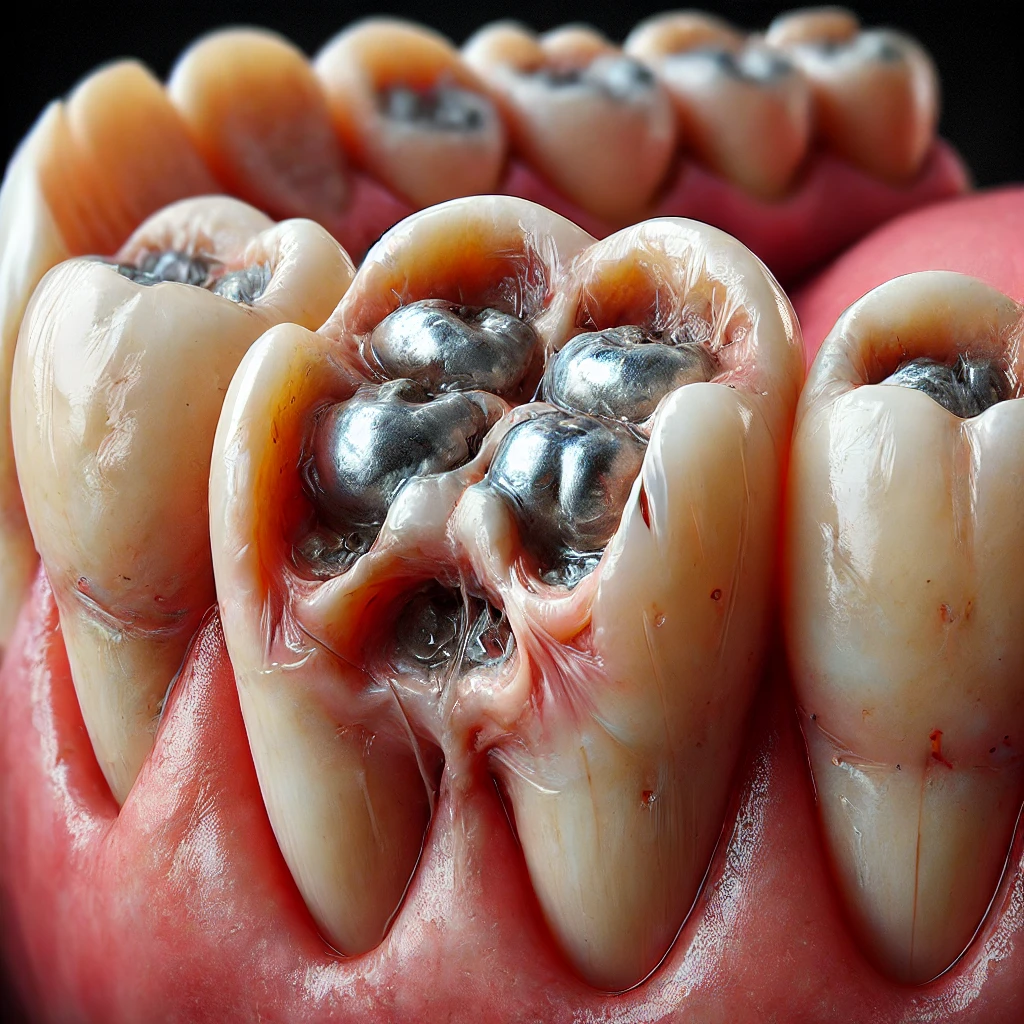
When a cavity develops due to tooth decay, your dentist removes the decayed portion of the tooth and fills the cavity with materials such as composite resin, silver amalgam, or gold.
Fillings help restore the tooth’s structure, functionality, and appearance, preventing further decay or damage.
Can you eat after a tooth filling?
Yes, but when and what you can eat depends on the type of filling you have. Composite fillings harden almost immediately once they are cured with a special blue light.
This means you can eat as soon as the numbing wears off. However, even though the filling is set, you should treat your tooth gently for the first 24 hours.
Amalgam fillings, on the other hand, take longer to harden and may require you to wait 24 hours before you can eat solid foods.
Immediate post-filling care
After getting a filling, it’s important to allow the numbing agent to wear off completely before eating. This can take anywhere from 1 to 3 hours, depending on the type and amount of anesthetic used.
Eating while still numb increases the risk of accidentally biting your cheek, lip, or tongue. It’s also normal to experience some sensitivity to hot and cold foods for a few days after the procedure.
What can you eat after a tooth filling?
When you’re ready to eat, it’s important to choose foods that are soft, easy to chew, and not too hot or cold. Here are some meal ideas to assist the first 24 to 48 hours after a filling:
Breakfast ideas after a tooth filling
For breakfast, it’s best to opt for soft, gentle foods that won’t irritate your teeth:
- Oatmeal: Cooked until soft and topped with a little honey, this is a gentle start to the day.
- Avocado toast (on soft bread): Avoid crusty bread, but avocado provides healthy fats and a soft texture.
- Smoothie bowls: Blend your favorite fruits and top with soft ingredients like chia seeds or ground flaxseeds.
- Soft scrambled eggs: Easy to eat and rich in protein, scrambled eggs are a great morning meal.
Lunch ideas after a tooth filling
For lunch, opt for light meals that don’t require heavy chewing. Consider the following options:
- Creamy soups: Tomato, pumpkin, or butternut squash soups are gentle and packed with nutrients.
- Soft sandwiches: Use soft bread with fillings like egg salad or hummus to avoid any discomfort.
- Pasta: Choose softer pasta varieties like macaroni or ravioli with a mild sauce. Avoid al dente preparation to reduce the risk of irritation.
- Quiche: A soft, savory pie filled with vegetables and eggs that’s easy on your teeth.
Also read: Top 17 Calcium-Rich Foods
Dinner ideas after a tooth filling
Dinner doesn’t have to be complicated, but it should be filling and comfortable to eat. Here are some ideas to consider after a tooth filling:
- Soft fish: Baked salmon or tilapia are excellent choices that are tender and easy to chew.
- Risotto: A creamy rice dish that’s gentle on the teeth while still offering a satisfying meal.
- Mashed vegetables: Carrots, sweet potatoes, or cauliflower are all nutritious and soft enough to eat without irritating your filling.
- Ground meat or soft chicken: Dishes like shepherd’s pie or chicken stew provide the necessary nutrients without requiring too much effort to chew.
Other ways to look after your filling
Taking care of your new filling involves more than just being mindful of your diet. Below are additional tips to help:
- Maintain good oral hygiene: Brush and floss as usual, but be gentle around the filled tooth.
- Avoid grinding or clenching: If you have a habit of grinding your teeth (bruxism), talk to your dentist about getting a mouthguard to prevent putting undue pressure on the filling.
- Be cautious with temperature extremes: Newly filled teeth may be more sensitive, so avoid very hot or cold food and drinks initially.
- Schedule follow-up appointments: Keep up with regular dental checkups to ensure that your filling is holding up and your overall oral health is in good condition.
Foods to avoid after a tooth filling
Certain foods can harm your filling or irritate your tooth immediately after the procedure. To protect your dental work, it’s vital to avoid:
- Sticky foods: Caramel, toffees, and gum can pull at the filling material, especially amalgam, potentially causing it to dislodge.
- Hard foods: Nuts, raw vegetables, and crunchy snacks can put too much pressure on the newly filled tooth.
- Chewy foods: Foods like steak or baguettes can be tough to chew and may cause discomfort.
- Sugary foods: Cakes, candies, and soft drinks can increase the risk of further tooth decay.
- Acidic foods: Citrus fruits or juices can irritate sensitive teeth and weaken your enamel, especially post-procedure.
Frequently Asked Questions
What happens if I eat too soon after a filling?
Eating too soon, particularly after an amalgam filling, can put pressure on the material before it has fully set, which may cause the filling to shift or crack.
Can I chew gum after a filling?
It’s best to avoid chewing gum immediately after a filling. Chewing gum can pull at the filling and increase the risk of dislodging it, particularly with amalgam fillings.
Why is my tooth sensitive after a filling?
Tooth sensitivity after a filling is common, especially with deep cavities. This should subside within a few days or weeks, but if it persists, consult your dentist.
- Also read: Top 11 Foods For Fast Wound Healing
Wrapping up: So, can you eat after a tooth filling?
For composite (tooth-colored) fillings, you can typically eat as soon as the numbness wears off, which is usually within 1 to 3 hours.
However, stick to soft, easy-to-chew foods in the days following your procedure, and avoid extremes in temperature, hardness, or stickiness to protect your new filling.
Following these guidelines will ensure a smooth recovery and prevent future dental issues.