

Coconut water has grown in popularity as a natural alternative to sugary sports drinks and sodas. It’s now a staple in everything from post-workout routines to juice cleanses. But as health trends grow, so do questions: is coconut water fattening? And how does it stack up nutritionally when consumed regularly?
In this article, we explore the nutritional profile of coconut water, its calorie content, and potential weight impacts.
What Is Coconut Water?
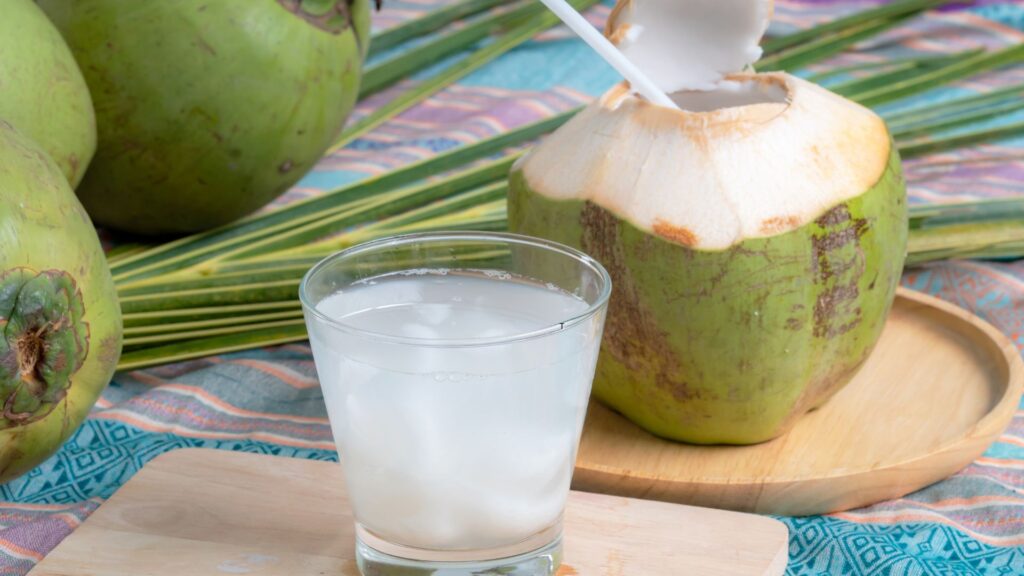
Coconut water is the clear, slightly sweet liquid found inside young, green coconuts. It should not be confused with coconut milk or coconut cream, which are made by blending the coconut flesh.
Naturally rich in electrolytes like potassium, magnesium, and sodium, coconut water has been touted as a hydrating drink that supports athletic recovery, rehydration during illness, and even skin health.
Nutritional Profile of Coconut Water
Here’s what you get in one cup (240 mL) of unsweetened coconut water:
| Nutrient | Amount |
| Calories | 45–60 kcal |
| Total Fat | 0.5 g |
| Carbohydrates | 9–15 g |
| Sugars (natural) | 6–9 g |
| Fiber | 2–3 g |
| Protein | 0–1 g |
| Potassium | ~600 mg |
| Sodium | ~250 mg |
| Magnesium | ~60 mg |
Coconut water is naturally low in fat, contains no cholesterol, and is a good source of potassium, providing more than a banana in a single serving.
Is Coconut Water Fattening?
Now, coconut water is not fattening when consumed in moderation. Here’s why:
- Low in Calories: A standard serving (1 cup or 240 mL) of plain coconut water contains approximately 45–60 calories, less than half of what you’d find in most fruit juices or sodas.
- Very Low in Fat: Despite being derived from a high-fat fruit, coconut water contains less than 1 gram of fat per serving.
- Naturally Occurring Sugars: The mild sweetness in coconut water comes from naturally occurring sugars, typically around 6–9 grams per cup. This is far lower than the sugar content of soft drinks, which can exceed 30 grams per can.
When compared with beverages like orange juice, sweetened tea, or flavored sports drinks, coconut water emerges as a light, hydrating option that contributes minimal calories to your daily intake.
For most people, drinking a cup or two per day will not lead to weight gain, and may actually support weight management goals if it replaces higher-calorie beverages.
Can Coconut Water Help with Weight Loss?
Interestingly, coconut water may support weight loss efforts rather than hinder them.
1. Boosts Hydration and Satiety
Proper hydration is crucial for metabolism and appetite regulation. Coconut water’s electrolyte balance can help keep you hydrated without artificial additives, which may help curb unnecessary snacking due to dehydration mistaken for hunger.
2. Low in Calories Compared to Juice
Coconut water can serve as a lower-calorie alternative to fruit juices. Swapping your daily glass of juice for coconut water can cut 50–70 calories per serving.
3. May Aid in Exercise Recovery
Because it replenishes lost electrolytes, coconut water can support post-exercise recovery, potentially reducing the need for higher-calorie snacks or drinks to recover.
However, it should not replace water as your primary hydration source, and its role in weight loss is indirect, mostly through substitution and hydration benefits.
Potential Downsides of Drinking Too Much Coconut Water
Coconut water is healthy, but not perfect. Here are a few things to watch for:
- Hidden Sugars: Flavored coconut waters often have added sugars. Check the ingredient list.
- High Potassium: While potassium is essential, too much can cause hyperkalemia, especially in people with kidney disease.
- Digestive Sensitivity: Some people may experience bloating or mild GI issues if consuming too much too quickly.
Coconut Water vs. Other Beverages
Here’s how coconut water compares to other popular drinks:
| Beverage | Calories (per cup) | Sugar (g) | Electrolytes | Fat (g) | Fattening Risk |
| Coconut Water | 45–60 | 6–9 | High | <1 | Low |
| Orange Juice | ~110 | ~21 | Moderate | 0 | Moderate |
| Soda (Cola) | ~140 | ~39 | None | 0 | High |
| Sports Drink | ~80–100 | ~20 | High | 0 | Moderate |
| Plain Water | 0 | 0 | None | 0 | None |
Coconut water is a lower-calorie, higher-nutrient option, especially when compared with sweetened or artificially flavored beverages.
How to Choose the Healthiest Coconut Water
To get the full benefits without unnecessary calories:
- Choose unsweetened or “100% pure coconut water” varieties.
- Avoid flavored versions with “fruit blends” or added sugars.
- Check labels for additives like preservatives or “natural flavors.”
- If possible, drink it fresh from the coconut, the most unprocessed form.
Frequently Asked Questions (FAQ)
How much coconut water is safe to drink daily?
One to two cups per day is considered safe for most healthy adults. More than that could lead to excessive potassium or calorie intake.
Does coconut water contain fat?
Coconut water contains less than 1 gram of fat per serving, making it virtually fat-free.
Can diabetics drink coconut water?
Yes, in moderation. Natural coconut water contains some sugar but has a lower glycemic index than fruit juices. Always check with your healthcare provider.
Is coconut water better than water?
Not necessarily. While it provides electrolytes, plain water remains the best option for hydration unless you’re replacing fluids lost during exercise or illness.
Wrapping Up
So, is coconut water fattening? The science is clear: No. Coconut water is a naturally low-calorie, low-fat beverage with electrolytes, fiber, and natural sugars. It can even support weight loss and hydration goals if consumed in moderation and without added sugars.
That said, it’s not a miracle drink. As with anything, the benefits depend on how you incorporate it into your overall diet. Stick to unsweetened varieties, enjoy it as a post-workout beverage or juice substitute, and you’ll be well on your way to making smarter drink choices.
