
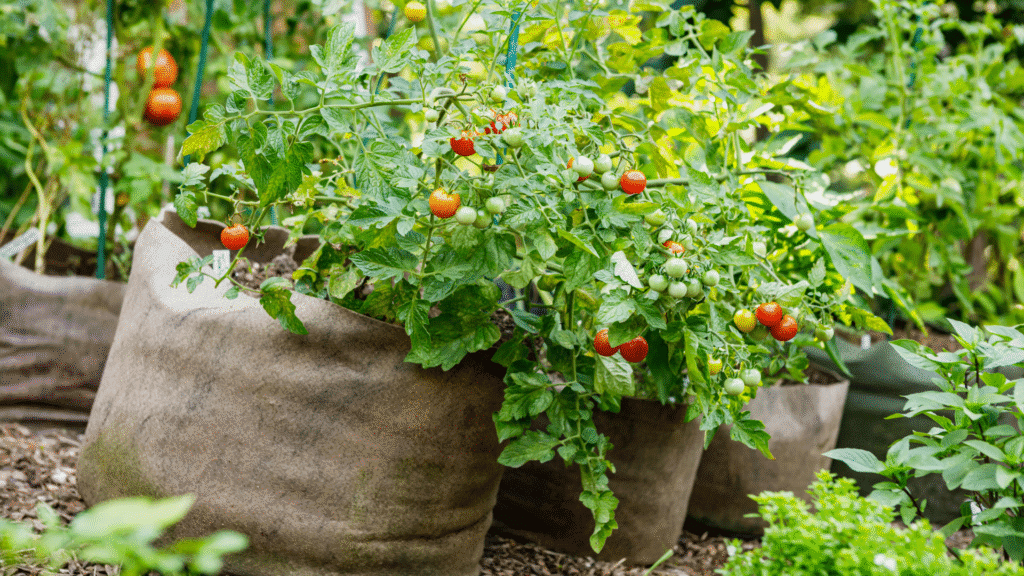
Companion planting is the practice of growing specific plants together to improve health, productivity, or resilience. When you place helpful plants near tomatoes, you can deter pests, attract pollinators, or even improve the flavor of your harvest.
This guide explores which plants support tomatoes, how they help, and what to avoid planting nearby. You’ll find combinations that have been used for generations, with practical benefits you can put into action in your garden or on your balcony.
Basil: A Classic Tomato Ally

Basil and tomatoes grow well side by side. Gardeners often say that basil can enhance the flavor of tomatoes, though this may be due to improved growing conditions rather than a chemical interaction. More importantly, basil repels insects like aphids, thrips, and whiteflies that tend to target tomato leaves.
This herb also draws in bees and other pollinators when it flowers, which supports tomato yield. Space basil close but not touching your tomato plants to allow for good airflow and easier access when harvesting.
Marigolds: Natural Pest Fighters
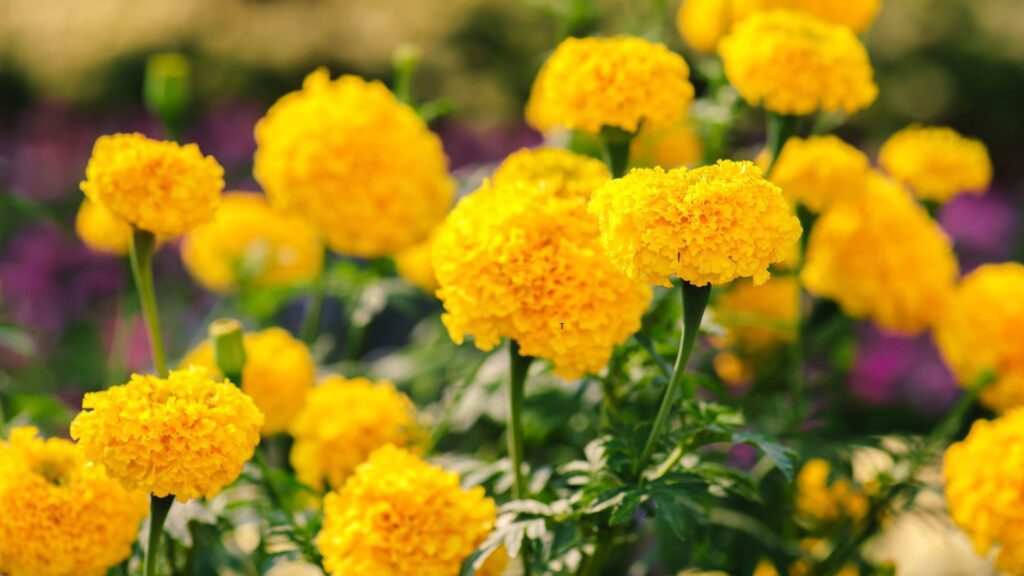
Marigolds add color and act as a barrier to many common garden pests. They produce a compound in their roots that discourages nematodes, which are tiny soil pests that damage tomato roots. Above ground, their strong scent confuses insects like whiteflies and hornworms.
French marigolds are especially effective for this use. Plant them around the base of tomato plants or in rows between tomato beds. They grow easily and bloom throughout the growing season, offering both protection and visual appeal.
Garlic and Onions: Sharp Defenders

Members of the allium family, like garlic and onions, release strong scents that drive away aphids and other soft-bodied insects. Their presence can also reduce fungal issues in tomatoes, thanks to natural compounds that inhibit disease.
These plants don’t take up much space, so they can be planted near the edges of tomato beds or in containers close by. Just be sure they have enough light and aren’t shaded out by larger tomato plants.
Nasturtiums: Trap Crops and Pollinator Magnets
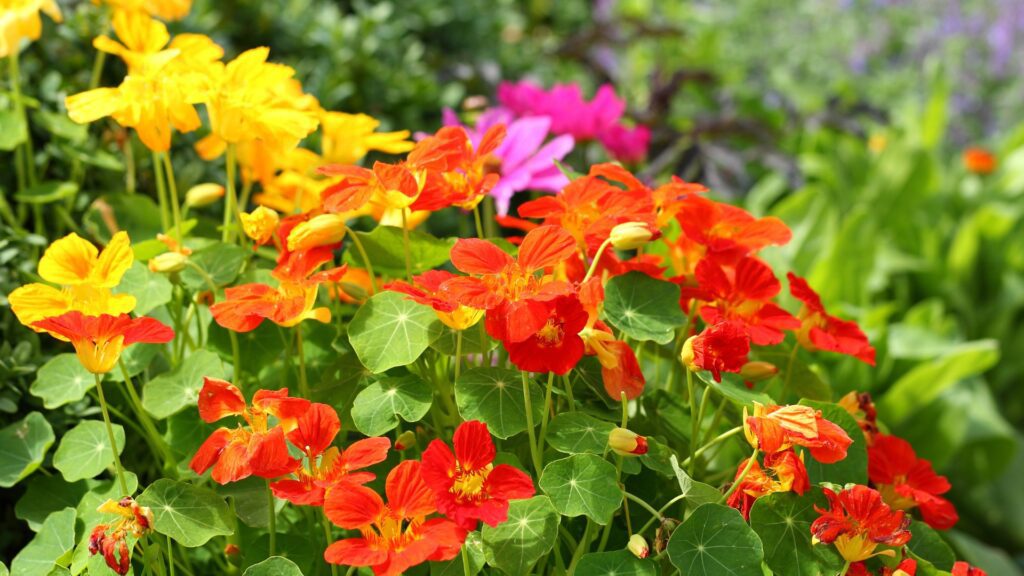
Nasturtiums act as decoys for aphids and whiteflies. These insects prefer nasturtiums and will gather there instead of attacking your tomatoes. The flowers also draw pollinators, which support overall garden health.
Nasturtiums trail easily and can be planted at the base of tomato containers or allowed to hang over the edges of raised beds. They’re also edible, with peppery leaves and flowers that make a colorful addition to salads.
Borage: Flowering Support for Tomatoes
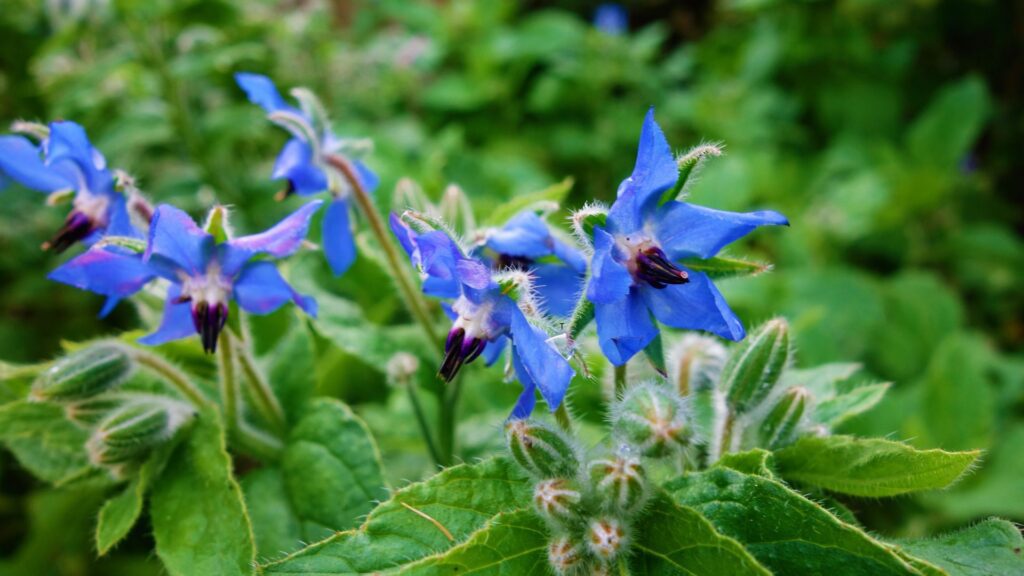
Borage produces star-shaped blue flowers and attracts bees and beneficial wasps. It’s often used to deter tomato hornworms and adds trace minerals to the soil as it decomposes. This plant grows quickly and self-seeds, making it a low-effort addition to any tomato patch.
Give borage space at the corners of your tomato bed so it doesn’t crowd the main crop. Its wide leaves can grow large, so check spacing to prevent shading.
Lettuce: Living Mulch Between Plants
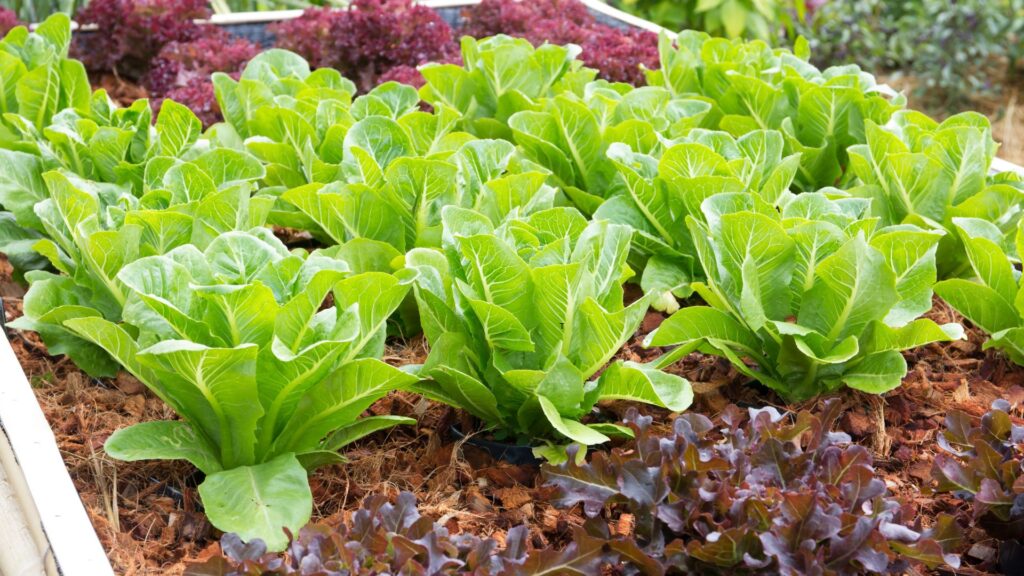
Lettuce doesn’t directly benefit tomato plants in terms of pest control, but it serves a valuable role in managing soil. When planted between tomato rows, lettuce shades the soil surface, helps retain moisture, and prevents weeds from sprouting.
Because lettuce has shallow roots, it won’t compete with tomatoes for nutrients or water. Harvest the leaves as needed, and replant every few weeks to maintain ground coverage throughout the growing season.
Carrots: Root Companions with Benefits

Tomatoes and carrots grow well together when spaced properly. Carrots loosen the soil, which helps water and air reach tomato roots more easily. In turn, the tomato plant shades the carrot tops, helping them stay tender during hot weather.
Plant carrots around the base of young tomato plants and thin them as they grow. This combination works best when both crops are given enough room to mature without crowding.
Spinach and Arugula: Shade-Loving Partners
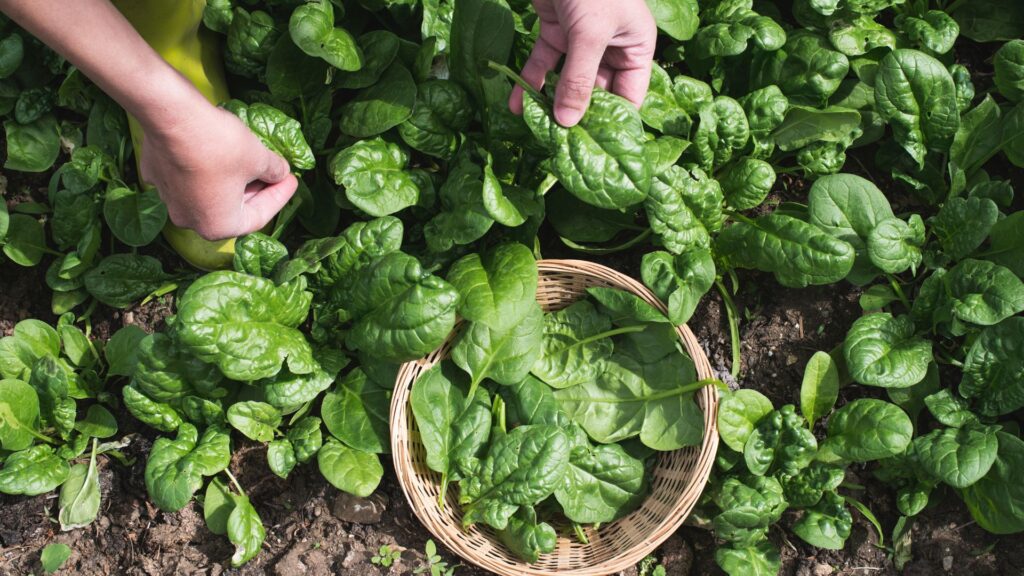
Spinach and arugula can be grown early in the season beneath young tomato plants. As tomatoes grow taller and create shade, these leafy greens continue to thrive in the cooler soil below. They also help cover the ground, similar to lettuce, and reduce evaporation from the soil surface.
Harvest these greens regularly to avoid overcrowding and to give tomato plants the space they need as the season progresses. Since their growth cycles are shorter, you can rotate several plantings over the course of one tomato season.
Asparagus: A Long-Term Tomato Neighbor
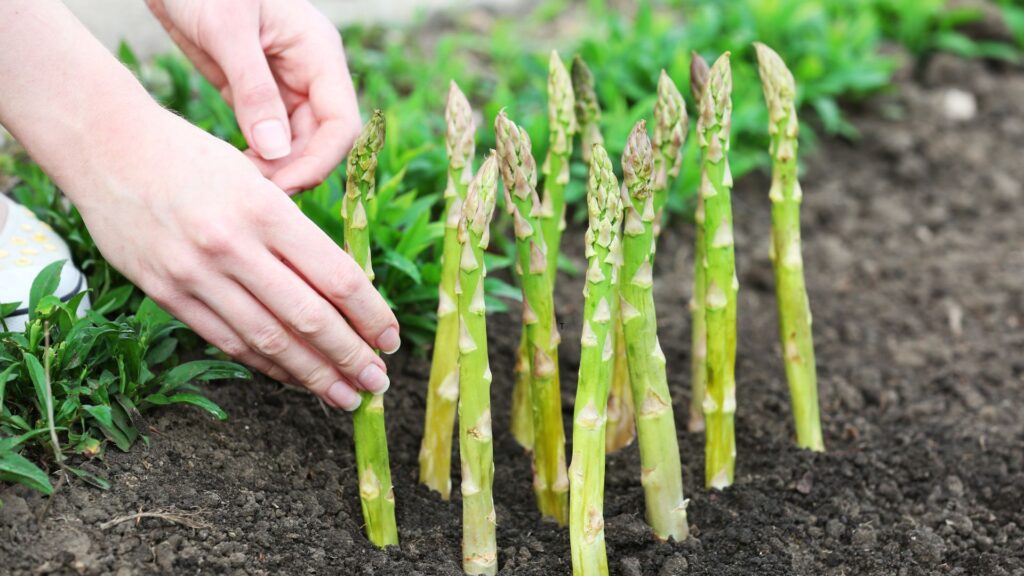
In perennial garden beds, asparagus and tomatoes can support each other over time. Tomatoes help repel asparagus beetles, while asparagus produces a compound that may protect tomato plants against root-knot nematodes. Though they have different growing seasons, they can share a bed with careful planning.
Asparagus shoots emerge in spring and are harvested early. Tomatoes can be planted afterward in the same area without disturbing the roots. This pairing works best in established gardens where space rotation is already part of the plan.
Plants to Avoid Around Tomatoes
Not all neighbors are helpful to tomatoes. Some plants compete for nutrients or attract pests that may damage your crop. Cabbage family vegetables, like broccoli, cauliflower, and kale, grow aggressively and can take up water and minerals that tomatoes need.
Corn attracts the same pests as tomatoes, such as the tomato fruitworm, and increases the chance of an outbreak. Potatoes and eggplants also belong to the nightshade family and can pass along soil-borne diseases if planted too close together.
Wrapping Up
Tomatoes grow best when surrounded by plants that support their health and limit pest problems. From herbs like basil to flowers like marigolds and vegetables like carrots, the right companions help you get better yields with less effort.
Choose your pairings based on your space, light, and growing goals. These companion plants not only help your tomatoes thrive but also create a more balanced and productive garden space. With the right combinations, your tomato patch can become the heart of a thriving, low-maintenance garden.
