
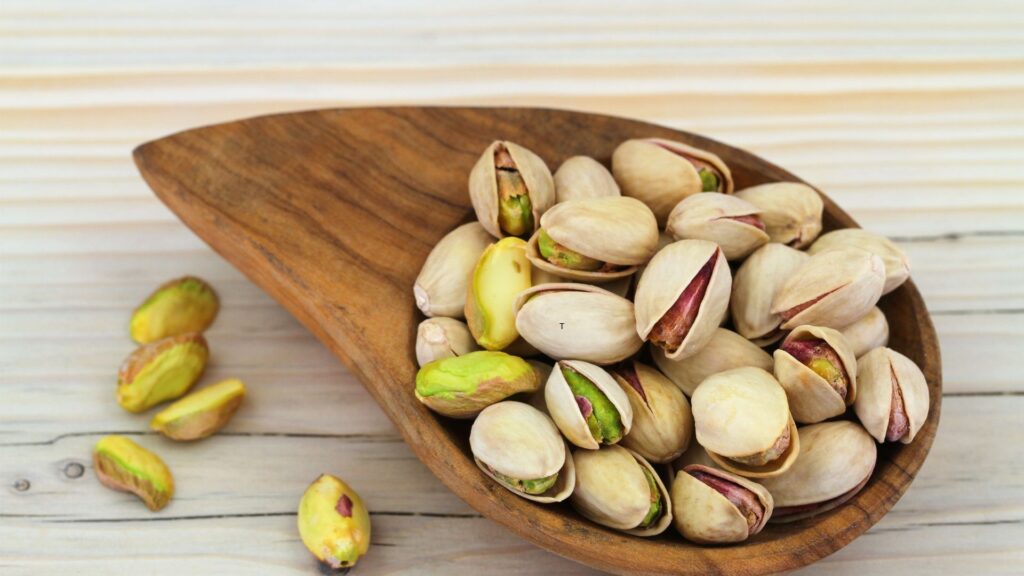
Pistachios might be tiny, but their nutritional power is anything but small. They’re packed with flavor and crunch, and also bring serious health benefits to the table. But are they truly as good for you as some claim?
In this post, we’ll explore exactly what pistachios are and break down their impressive nutritional benefits.
What is Pistachio?
Pistachios are edible seeds from the pistachio tree (Pistacia vera), a member of the cashew family. They’re native to the Middle East and Central Asia, and thrive in dry climates and produce small, greenish seeds encased in a hard beige shell.
Pistachio seeds are technically not true nuts but are often classified as such due to their culinary use. You’ll find them raw, roasted, salted, or even flavored.
Nutritional Value of Pistachio Nuts
The following is what you get in a 100-gram serving of raw pistachios:
- Calories: 560 kcal
- Protein: 20.2 grams
- Total Fat: 45.3 grams
- Saturated fat: 5.9 grams
- Monounsaturated fat: 23.3 grams
- Polyunsaturated fat: 13.4 grams
- Carbohydrates: 27.2 grams
- Sugars: 7.7 grams
- Fiber: 10.3 grams
- Vitamin B6: 1.7 mg (over 100% DV)
- Thiamin (B1): 0.9 mg (about 75% DV)
- Potassium: 1025 mg
- Magnesium: 121 mg
- Iron: 4.1 mg
- Phosphorus: 490 mg
6 Health Benefits of Pistachio Nuts
1. Promotes Heart Health
Pistachios are rich in monounsaturated and polyunsaturated fats, healthy fats that help lower bad LDL cholesterol and raise good HDL cholesterol. Regular consumption may support healthy blood vessels and improve circulation.
They also contain plant sterols and antioxidants like lutein and polyphenols, which further benefit cardiovascular health. Studies suggest that pistachios can reduce blood pressure and improve endothelial function, both key to heart health.
2. Aids in Weight Management
Despite being energy-dense, pistachios may actually support weight control. Their combination of protein, fiber, and healthy fats increases satiety, helping you feel fuller for longer. Plus, the act of shelling pistachios slows down eating and encourages mindful snacking, which can reduce overall calorie intake. In clinical trials, diets that include pistachios have not been linked to weight gain.
3. Supports Blood Sugar Regulation
Pistachios have a low glycemic index, making them a smart choice for people managing blood sugar. Their protein and fiber content helps slow the absorption of glucose into the bloodstream. Research has shown that consuming pistachios with high-carb meals can blunt post-meal blood sugar spikes. They’re especially beneficial for those with prediabetes or type 2 diabetes.
4. Boosts Gut Health
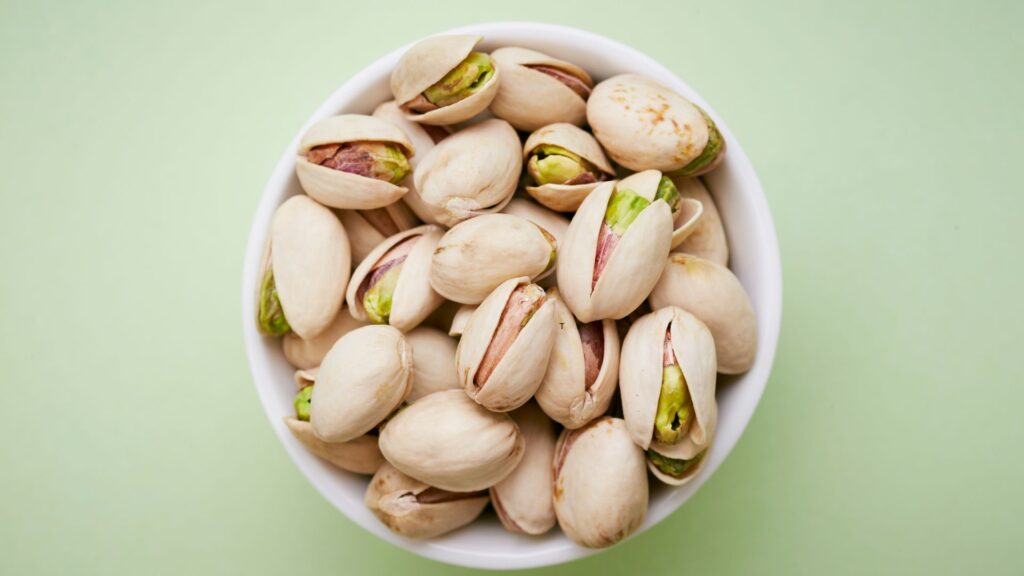
Pistachios contain prebiotic fiber, which nourishes the beneficial bacteria in your gut. A healthy gut microbiome plays a crucial role in digestion, immunity, and even mood regulation. Studies show that pistachios increase levels of butyrate-producing bacteria, which produce short-chain fatty acids known to reduce inflammation and improve colon health.
5. Enhances Eye Health
Lutein and zeaxanthin are powerful antioxidants found in pistachios that are known to support eye health. These compounds help protect the eyes from oxidative stress and may reduce the risk of age-related macular degeneration (AMD) and cataracts. As screen time continues to increase in modern life, foods like pistachios may help protect vision.
- Also Read: Health Benefits of Pecan Nuts
6. Rich in Antioxidants
Pistachios rank among the top nuts in antioxidant content. They contain vitamin E, polyphenols, and carotenoids, which combat oxidative damage and help reduce inflammation. These antioxidants also play a role in slowing aging and supporting the immune system.
- Also Read: What is Lupus?
How Often Should You Eat Pistachios?
Moderation is important when consuming pistachios. A standard serving of pistachios is about 28 grams (1 ounce), or roughly 49 kernels. Eating this amount several times per week can offer significant health benefits without excessive calorie intake. For most healthy adults, including pistachios as a daily snack or meal topper is considered safe and beneficial.
If you’re watching your calorie intake or trying to lose weight, be mindful of portions, especially when eating roasted or salted varieties that can encourage overeating.
Raw or Roasted Pistachios: Which is Better?
Both raw and roasted pistachios have their benefits, but they serve slightly different nutritional roles:
- Raw pistachios retain more of their natural antioxidants and nutrients, making them ideal for maximizing health benefits.
- Roasted pistachios, especially dry-roasted, offer a more intense flavor and crunch but may lose some heat-sensitive nutrients like vitamin B6.
Avoid heavily salted or oil-roasted versions, which can add excess sodium and unhealthy fats. Choose dry-roasted, unsalted pistachios for the best compromise between flavor and nutrition.
Are There Side Effects?
For most people, pistachios are safe and well-tolerated. However, overconsumption can lead to digestive issues like bloating or gas due to high fiber, salt overload if consuming salted varieties in large amounts.
Pistachios also contain fructans, a type of carbohydrate that may trigger bloating in people with sensitive digestive systems or IBS.
When Pistachios May Not Be a Good Idea
Certain individuals may need to avoid or limit pistachios:
- Those with nut allergies: Although technically a seed, pistachios can cause reactions in people allergic to tree nuts.
- People with kidney issues: Pistachios are high in potassium and phosphorus, which may need to be restricted in advanced kidney disease.
- Low FODMAP dieters: Pistachios are high in FODMAPs and may trigger symptoms in sensitive individuals.
If you fall into any of these groups, consult your doctor or a dietitian before including pistachios in your diet.
Final Thoughts: Should You Add Pistachios to Your Diet?
Yes, pistachios are a nutritious, versatile snack that offer a wide range of health benefits. From heart health and blood sugar control to digestive wellness and eye protection, they’re one of the most well-rounded plant-based foods available. With their great taste and crunchy texture, they’re easy to include in both sweet and savory dishes.
Just be mindful of portions, and choose minimally processed varieties for maximum benefits. If you’re not allergic and don’t have dietary restrictions, pistachios are definitely a smart snack to keep in your rotation.