
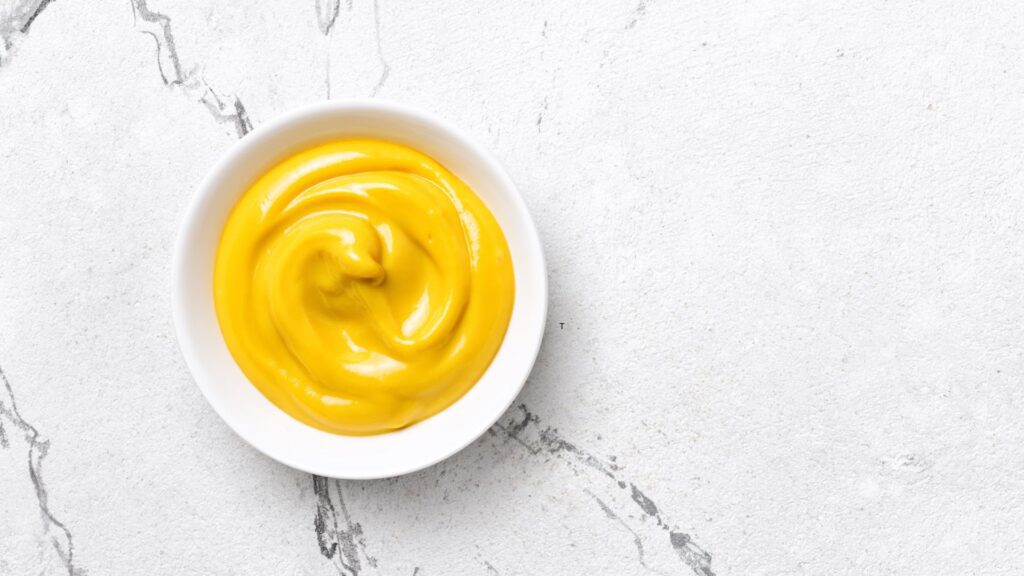
Mustard has long been a kitchen staple, often used as a quick home remedy for minor ailments. One of the more curious claims is its use as a relief for heartburn.
This article explores the idea, looks into how mustard might interact with your digestive system, and explains what science and anecdotal evidence suggest about its effectiveness.
Table of Contents
ToggleWhy Mustard Is Thought to Help with Heartburn
At first glance, using mustard to soothe heartburn seems odd. It’s acidic, pungent, and often included in spicy foods — typically known triggers for acid reflux. But advocates say it’s all about balance.
Mustard, especially the yellow kind, contains vinegar and turmeric. These ingredients may have properties that contribute to neutralizing acid or promoting digestion, though not everyone reacts the same way.
How the Ingredients Might Work
- Vinegar in Mustard: Though acidic, some believe vinegar in small doses might signal the stomach to stop overproducing acid. This is similar to how apple cider vinegar is occasionally used to calm reflux.
- Turmeric’s Role: Turmeric has been studied for its anti-inflammatory benefits. A calmer stomach lining might mean less irritation from acid backup.
- Alkalizing Theory: Some suggest yellow mustard is mildly alkaline, which might help counter stomach acid. However, this depends on the specific recipe and brand.
The Science Behind It: Sparse but Interesting
So far, medical studies on mustard as a remedy for heartburn are limited. Most of the buzz comes from personal stories and holistic health forums. This doesn’t mean it’s useless; just that it’s not widely studied.
Doctors usually recommend antacids, H2 blockers, or proton pump inhibitors. Mustard isn’t part of mainstream treatment guidelines, but there are a few explanations for why it might feel helpful.
Potential Mechanisms at Play
- Stimulation of Saliva: Mustard’s sharp taste might boost saliva production. More saliva can help wash acid back into the stomach.
- Placebo Effect: Sometimes, the belief in a remedy strongly influences its perceived effectiveness. Feeling relief might not always mean there’s a chemical reason.
How to Use Mustard for Heartburn Relief
If you’re curious about trying mustard as a remedy, proceed cautiously. It’s easy to try, but it’s not for everyone. Start with small amounts and monitor how your body responds.
Some people take one teaspoon of plain yellow mustard during or after a heartburn episode. Others may mix it with a small amount of water or pair it with bland food like toast.
Best Practices
- Use plain yellow mustard: Avoid spicy, Dijon, or flavored versions which can worsen symptoms.
- Take a small dose: One teaspoon is usually enough for testing purposes.
- Do not rely on it regularly: If heartburn is frequent, consult a healthcare provider.
When Mustard Might Not Be a Good Idea
While mustard is generally safe, it’s not always the right answer. It can trigger or worsen symptoms in some people, especially if spicy foods are a known issue. Those with acid reflux, GERD, or sensitive stomachs should be cautious.
Frequent heartburn may indicate a deeper problem. Using mustard too often or as a substitute for medical treatment can mask symptoms without solving the root cause.
- Also read: Does Mustard Work For Cramps?
Watch for These Signs
- Burning that doesn’t go away even after trying home remedies
- Pain after eating specific foods like vinegar or mustard
- Persistent throat irritation or chronic coughing
If any of these symptoms occur, it’s time to look beyond simple fixes.
Wrapping Up
Mustard may offer relief for occasional heartburn in some people, thanks to its unique mix of ingredients and potential alkaline effect. However, it’s not a one-size-fits-all solution and isn’t backed by strong clinical research.
Trying mustard is unlikely to cause harm in small amounts, but it’s important to be mindful of your body’s response. If heartburn becomes a frequent issue, seek medical advice rather than relying on pantry remedies alone.
