

Your bedtime snack can be the difference between a good night’s sleep and a bad one. If you have occasional insomnia, it might be worth considering what you eat before bed.
Natural compounds such as magnesium, tryptophan, vitamin D found in some foods can help relax you and get your body ready to sleep. In this article, you will discover the 14 best sleep-friendly foods to eat before bed.
Top 14 Foods for Better Night Sleep
1. Kiwi
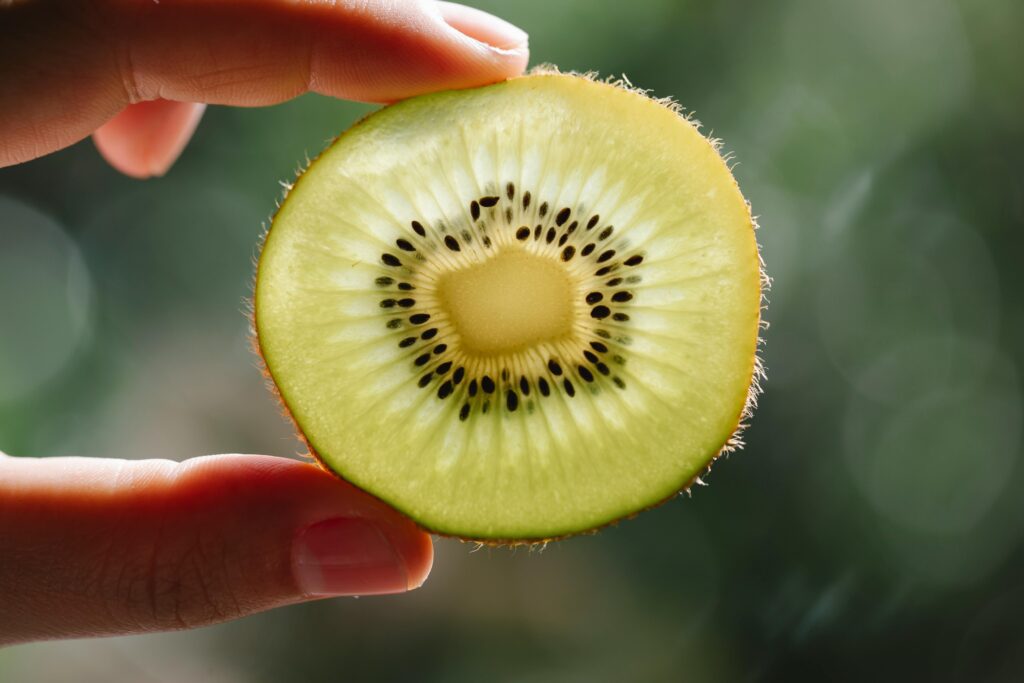
If you have a sweet tooth, choose a kiwi instead of dessert. Studies have shown that eating two kiwis one hour before bedtime can significantly improve sleep onset, duration, and quality in people with sleep disorders. This benefit was attributed to its serotonin and vitamin C content, which help regulate sleep cycles.
- Also read: Can You Eat Kiwi Skin?
2. Tart Cherry Juice
Tart cherry juice is rich in melatonin, a hormone that regulates sleep. In adults with insomnia, drinking 8 ounces of this juice twice a day has been shown to improve sleep efficiency and duration. It’s also anti-inflammatory, and that can help support sleep quality.
3. Bananas

Magnesium, potassium, and vitamin B are packed in bananas, which can help relax muscles and make falling asleep easier. Worthy of mention is their tryptophan content, which the body converts into serotonin and melatonin (sleep hormones). Eating a banana an hour or two before bedtime can contribute to a more restful night’s sleep.
4. Walnuts
Walnuts have a unique blend of melatonin, omega 3s, and magnesium. These nutrients fight inflammation and encourage sleep by boosting your natural melatonin and calming feelings. Alpha-linolenic acid (ALA), which the body converts into sleep-regulating omega 3s, is also found in walnuts.
5. Almonds
Almonds are a good source of melatonin and magnesium, just like walnuts. These nuts help to relax muscles and enhance sleep quality. Especially for people with insomnia, eating a small handful before bed can be very helpful.
- Also read: Top 10 Magnesium-Rich Foods
6. Salmon, Tuna, Mackerel (Fatty Fish)
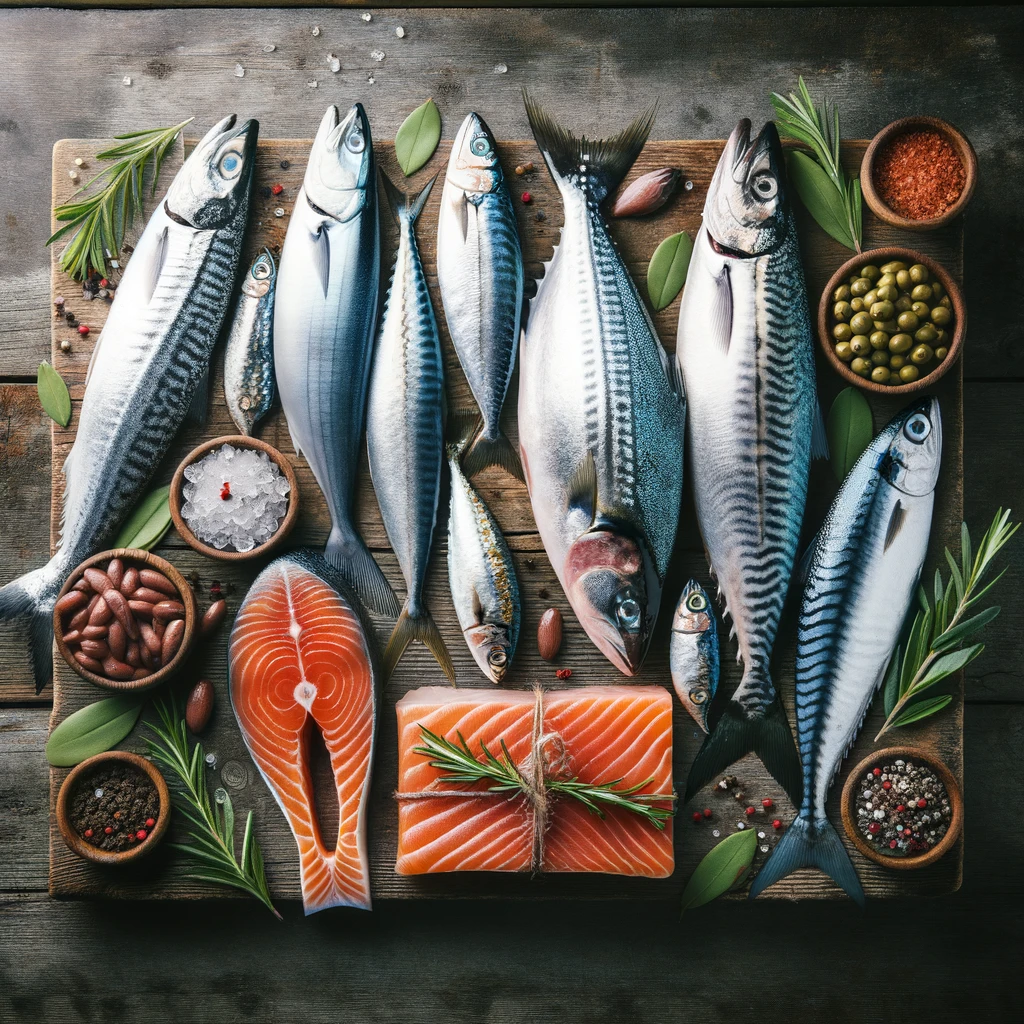
Vitamin D and omega 3 fatty acids are important to serotonin regulation. Previous research confirmed that people who eat fatty fish three times a week have better sleep quality because fatty acid and vitamin D levels increase in the body to help them sleep.
7. Milk

Warm milk has been used as an age-long sleep remedy. Milk contains tryptophan and calcium, which promote melatonin that helps you fall asleep. Furthermore, milk-based drinks have been found to increase relaxation and decrease stress.
8. Pumpkin Seeds
Raw pumpkin seeds are an amazing source of magnesium which helps activate neurotransmitters that help calm the nervous system. A handful of pumpkin seeds an hour before bed can greatly help you get to sleep, especially if you are magnesium deficient.
9. Turkey
Turkey is well known for its high tryptophan content, which promotes melatonin production. A few slices of turkey on whole-grain crackers or a turkey sandwich on whole-wheat bread make for a satisfying, sleep-inducing snack.
10. Chamomile Tea
Chamomile tea is famous for its calming effects. It’s composed of antioxidants, such as apigenin which binds to brain receptors, lowering anxiety and aiding in sleep. Studies have shown that chamomile tea can improve sleep quality in older adults.
11. Rice
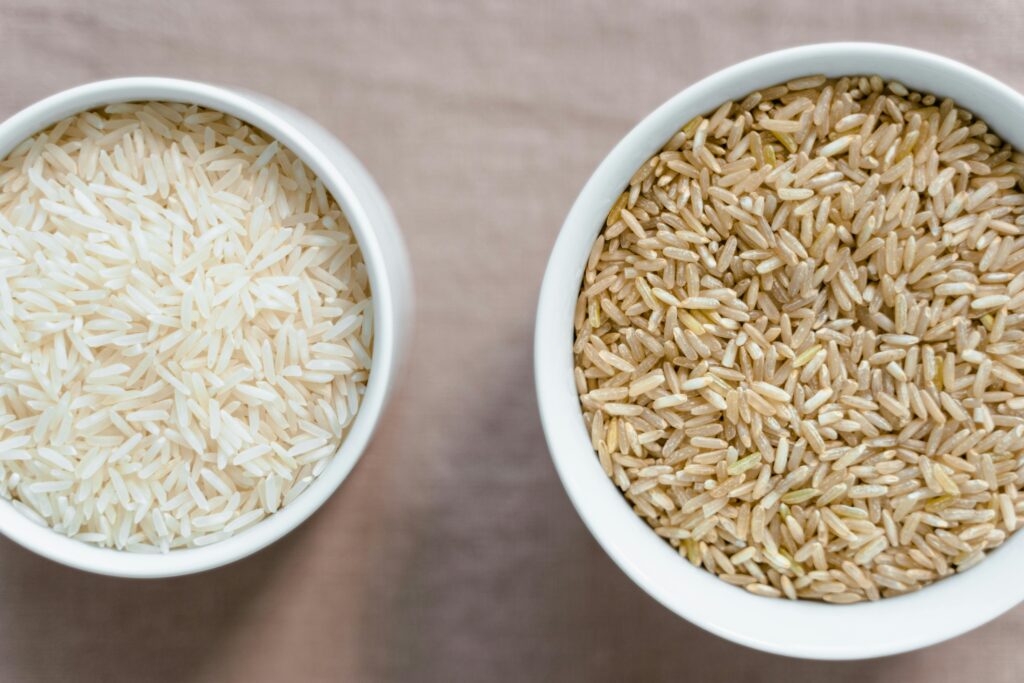
White rice has a high glycemic index (GI), which raises blood sugar levels more gradually, leading to a natural increase in insulin. This insulin spike helps in releasing tryptophan, thus promoting relaxation and readiness for sleep. Brown rice is another good option, as it contains more fiber, which supports longer-lasting energy and helps with sleep stability.
12. Yogurt
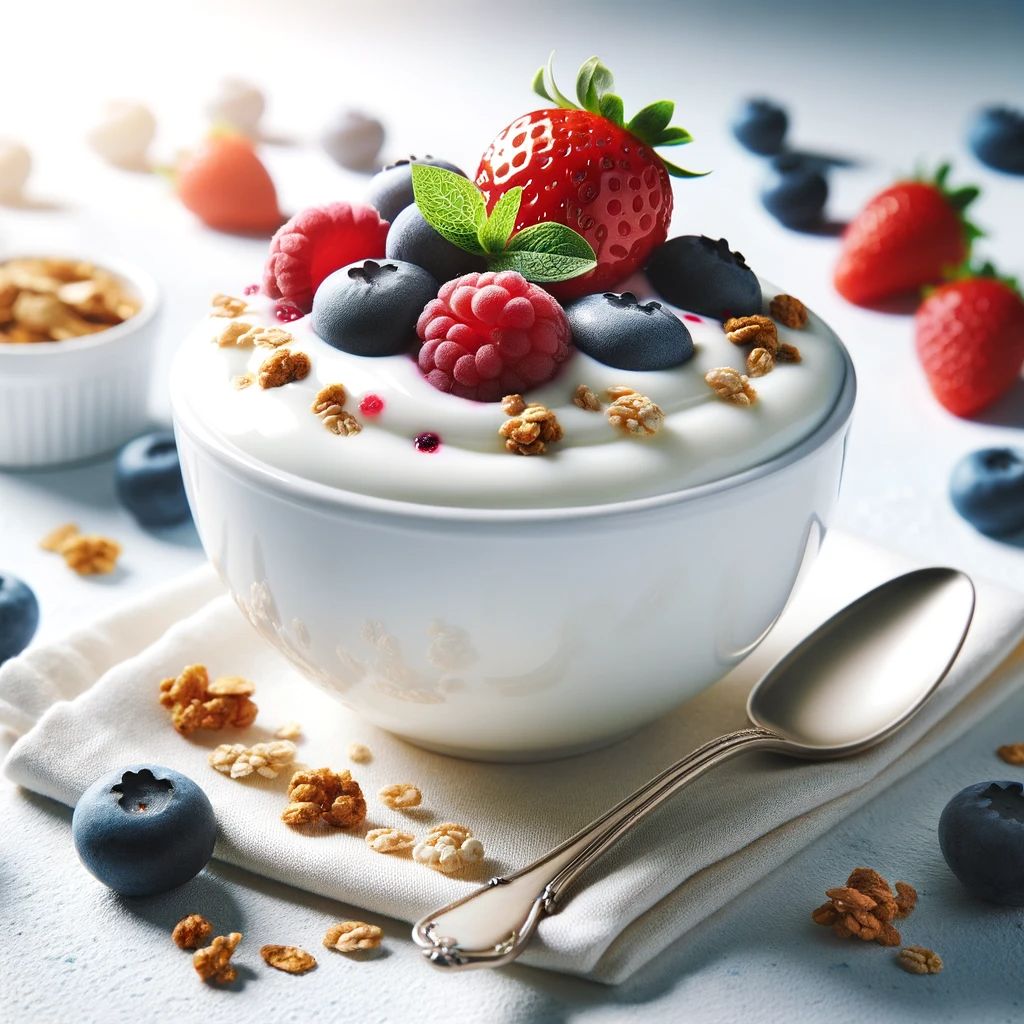
The calcium in yogurt helps the brain absorb tryptophan so it can produce melatonin. Yogurt is also very high in protein, which helps balance blood sugar throughout the night. To get started, drizzle a bit of honey over Greek yogurt.
13. Oatmeal
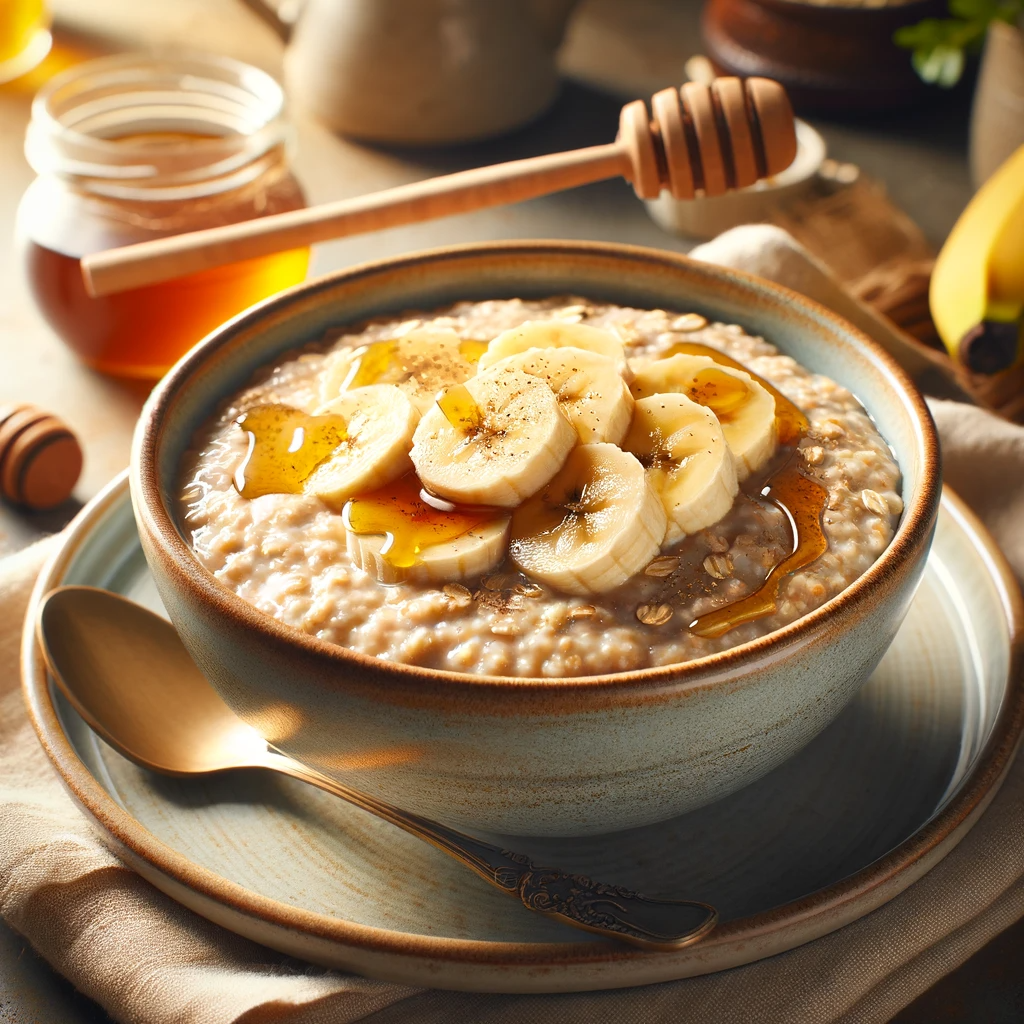
Oatmeal is high in complex carbohydrates that encourage serotonin production, promoting sleepiness. Its fiber content also helps keep blood sugar levels stable overnight, preventing potential wake-ups from glucose dips.
14. Lavender, Lemon Balm, Peppermint Herbal Teas
Lavender, or lemon balm tea, is one of the best herbal teas for improving sleep. It possesses extra-relaxing aromas and natural compounds that promote tranquility in the body. They are caffeine-free and come with antioxidants, which help you relax before bed.
Key Takeaways
| Food | Key Nutrients for Sleep | Sleep Benefits |
| Kiwi | Serotonin, Antioxidants | Improves sleep onset, duration, and quality |
| Tart Cherry Juice | Melatonin, Anti-inflammatory properties | Increases sleep efficiency and duration |
| Bananas | Magnesium, Vitamin B6 | Supports relaxation, increases melatonin |
| Walnuts | Melatonin, Omega-3s, Magnesium | Reduces inflammation, promotes calm |
| Almonds | Melatonin, Magnesium | Improves sleep quality |
| Fatty Fish | Omega-3s, Vitamin D | Enhances serotonin regulation, better sleep quality |
| Milk | Tryptophan, Calcium | Induces sleep, reduces stress |
| Pumpkin Seeds | Magnesium | Supports deep sleep |
| Turkey | Tryptophan | Encourages relaxation |
| Chamomile Tea | Apigenin (antioxidant) | Reduces anxiety, promotes sleep |
| Rice | Carbs, Tryptophan | Shortens sleep latency |
| Yogurt | Calcium, Protein | Stabilizes blood sugar |
| Oatmeal | Melatonin, Fiber | Prevents blood sugar spikes, increases serotonin |
| Herbal Teas | Calming aromas, Antioxidants | Promotes tranquility |
Conclusion
The above-listed foods can help prepare your body for restful sleep. They provide essential nutrients that aid in relaxation, and support the production of sleep-regulating hormones.
In addition to good sleep practices like limiting screen time and creating a dark, quiet bedroom environment, you can optimize your chances of a restful night.