
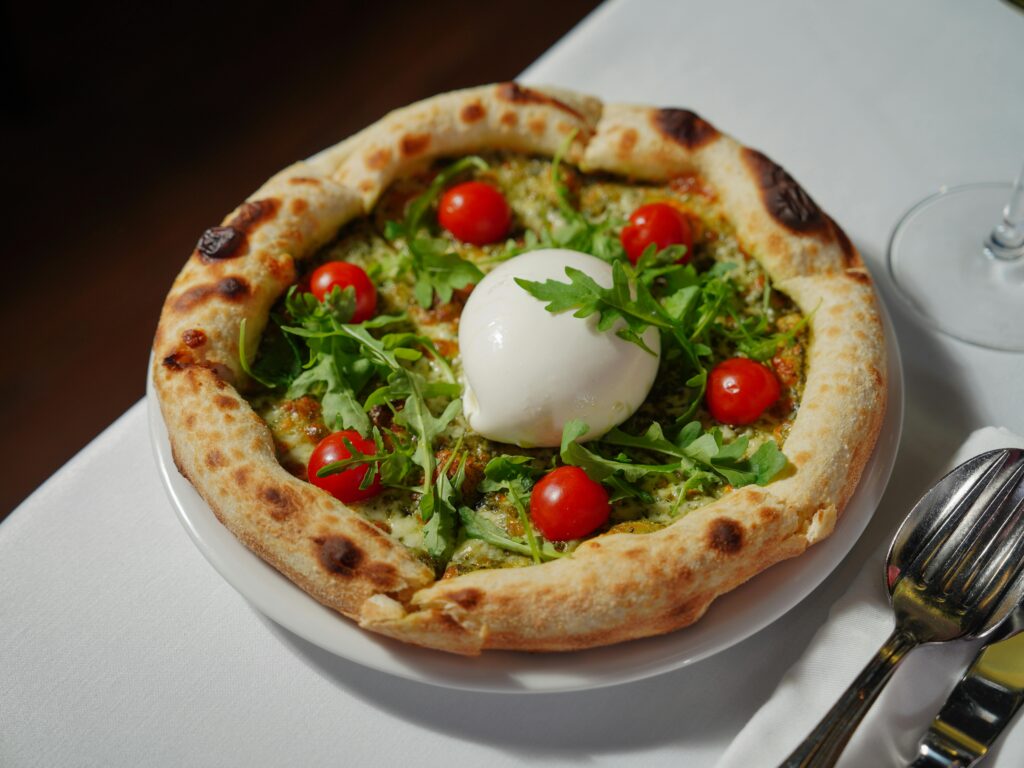
When you’re expecting, every bite you take matters. As a mom-to-be, you’re probably wondering what’s okay to eat and what’s not. One common question is: can pregnant women eat burrata?
Here’s everything you need to know about eating burrata when pregnant, precautions to take, and alternatives to satisfy your cravings for burrata. Let’s dive in.
What is Burrata?
Burrata is a semi-soft cheese made from mozzarella and cream. The production process begins similarly to mozzarella, where the milk is curdled using rennet.
The curds are then heated and stretched to form the mozzarella shell, which is subsequently filled with the cream and curd mixture (stracciatella) before being sealed off.
When sliced open, the creamy interior oozes out, making it a favorite for cheese enthusiasts.
Safety concerns about burrata
The main concern with eating burrata during pregnancy is the risk of Listeria infection, an infection caused by Listeria bacteria.
Soft cheeses, like burrata, are more prone to harboring this bacteria since they’re often made from unpasteurized milk.
Pregnant women are particularly susceptible to listeriosis, which can be harmful to both the mother and the unborn baby.
Can pregnant women eat burrata?
The answer is yes, you can still indulge in burrata when pregnant. The key to safely enjoying this cheese during pregnancy is to ensure it is made with pasteurized milk and cream.
Tips for safely consuming burrata during pregnancy
Check labels
When purchasing burrata, always check the label to ensure it’s made from pasteurized milk. Most burrata available in the United States is made from pasteurized ingredients, but it’s a good practice to double-check or confirm with the vendor.
Eat it fresh
Burrata has a short shelf life. Burrata should ideally be eaten within 48 hours of opening to ensure it remains fresh and safe.
- Also read: Can Pregnant Women Eat Salami?
Proper storage
Keep burrata refrigerated at all times. Avoid leaving it out at room temperature for prolonged periods to prevent the growth of harmful bacteria.
Pair it wisely
Add burrata to cooked dishes like pizza or pasta. Heating the cheese further reduces any potential risks.
Nutritional profile of burrata
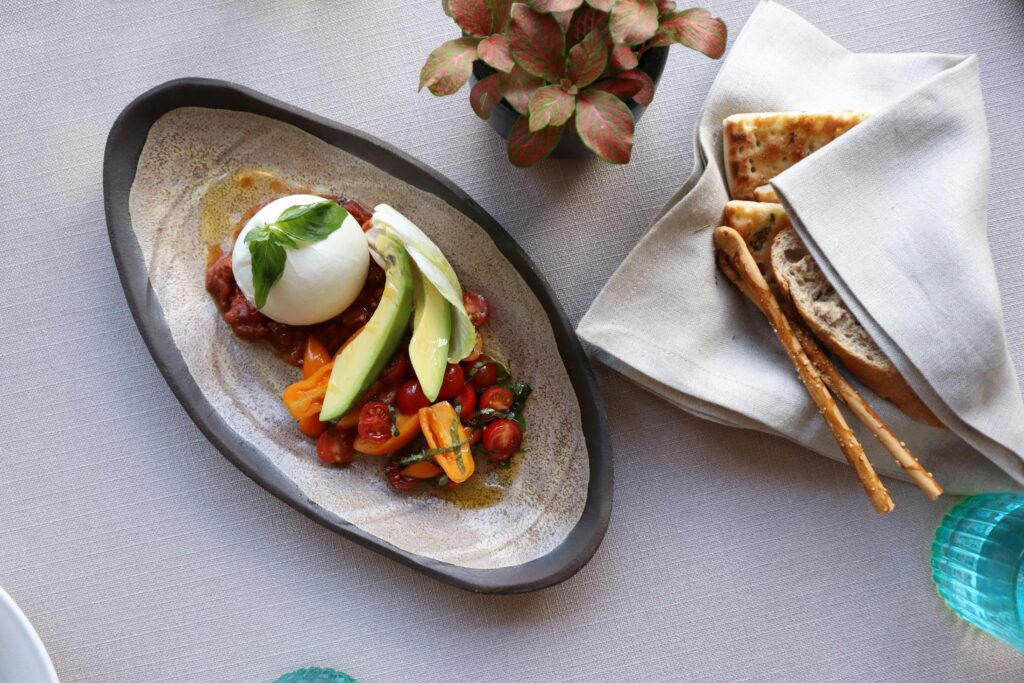
Burrata cheese is not only a delight for the palate but also offers some nutritional benefits. Here’s a breakdown of the nutritional profile per ounce (approximately 28 grams):
- Calories: 70-80 kcal
- Total Fat: 6-7 grams
- Saturated Fat: 4 grams
- Trans Fat: 0 grams
- Cholesterol: 20 mg
- Sodium: 45-85 mg
- Total Carbohydrates: 0-1 gram
- Dietary Fiber: 0 grams
- Sugar: 0-1 gram
- Protein: 3 grams
- Calcium: 59.9 mg
Also read: Can Pregnant Women Eat Bacon?
Alternatives to satisfy your craving for burrata
If you are unable to find pasteurized burrata or prefer to avoid it altogether, there are plenty of safe and delicious alternatives. Here are some cheeses that provide similar nutritional benefits without the associated risks:
Mozzarella
Mozzarella, especially when made from pasteurized milk, is a great alternative to burrata. It has a similar mild flavor and a semi-soft texture. Look for “Mozzarella di Bufala Campana” if you prefer a higher-quality product.
Ricotta
Ricotta is another excellent substitute. It is made from whey and has a creamy texture, making it a good alternative for the filling aspect of burrata. It works well in pasta dishes, desserts, and spreads. Ensure it is made from pasteurized milk.
Cottage cheese
Cottage cheese is an excellent source of protein and calcium, and it’s made from pasteurized milk. It has a mild flavor and a creamy texture, making it suitable for salads, dips, and as a substitute in recipes that call for burrata.
Feta
While feta has a tangier flavor than burrata, it can be a safe alternative if made from pasteurized milk. It crumbles well and adds a unique taste to salads and Mediterranean dishes. Look for feta made from pasteurized sheep’s or goat’s milk.
Hard cheeses
Hard cheeses, like cheddar, gouda, and parmesan are typically made from pasteurized milk and aged, making them safe to consume during pregnancy. They can be enjoyed in sandwiches, salads, and as a snack with fruits.
- Also read: Can Pregnant Women Eat Calamari?
FAQs about burrata and pregnancy
Can I eat burrata on pizza while pregnant?
Yes! If the burrata is made with pasteurized milk, it’s safe to eat. When used as a pizza topping, the heat further eliminates any lingering bacteria.
Is all burrata pasteurized?
No, not all burrata is pasteurized. Check the packaging or ask the seller to confirm if the milk used is pasteurized.
What are the symptoms of listeriosis?
Symptoms include fever, muscle aches, nausea, and sometimes diarrhea. If you suspect listeriosis, contact your doctor immediately.
Can I eat burrata salad while pregnant?
Yes, as long as the burrata is pasteurized and the salad ingredients are fresh and washed properly.
Are there other cheeses I should avoid during pregnancy?
Yes, avoid soft cheeses like brie, camembert, and blue cheese unless they’re made with pasteurized milk.
Final thoughts: Can pregnant women eat burrata?
In conclusion, burrata can be safely enjoyed during pregnancy as long as it is made from pasteurized milk and cream. Remember to always check the labels or inquire about the pasteurization status.
This way, you can relish the creamy delight of burrata without compromising your health or that of your baby.