
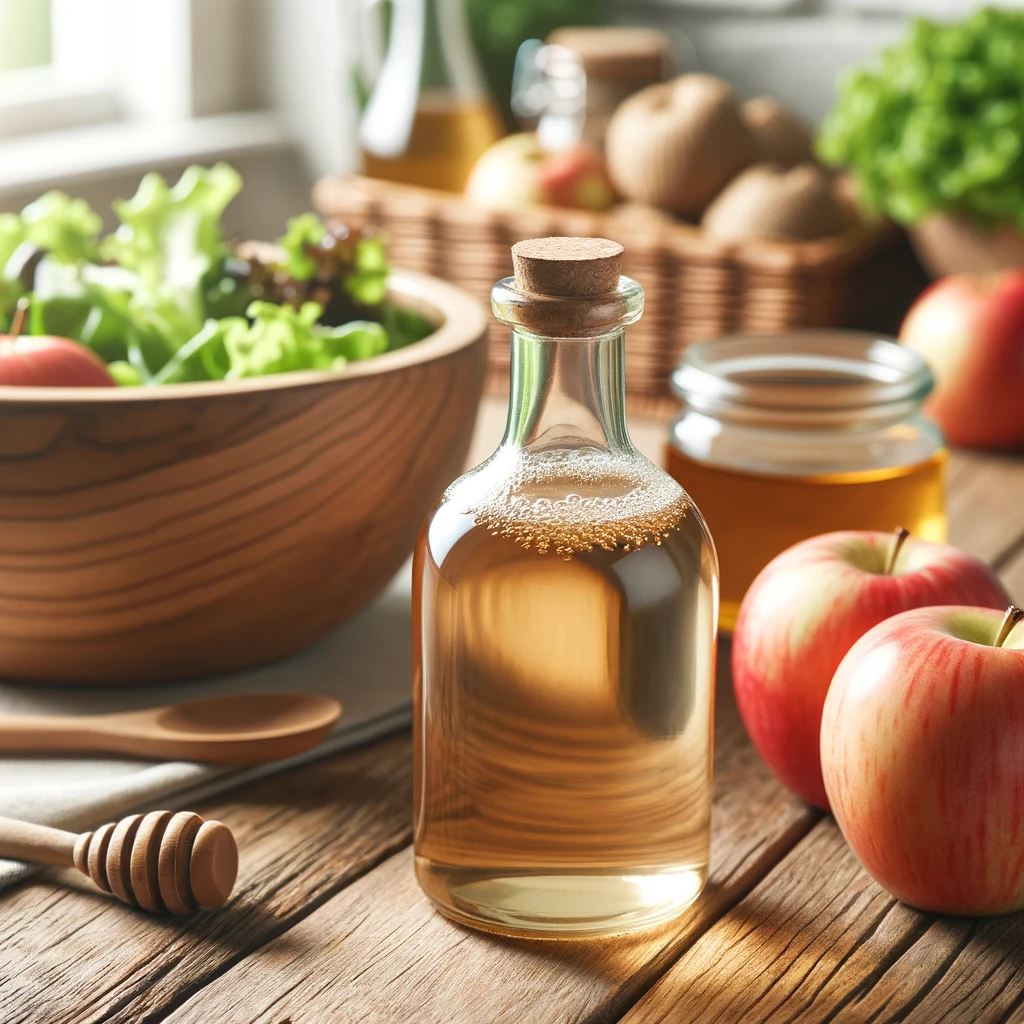
In your quest for a healthier living, you’ve probably encountered various natural remedies and superfoods, but few are as versatile as apple cider vinegar (ACV). But does apple cider vinegar go bad?
Whether for salad dressing, as a cleaning agent, or as detox, ACV has endless applications. Technically, apple cider vinegar does not expire in the way many food products do. Continue reading to learn more.
Table of Contents
ToggleShelf life of apple cider vinegar
Many users have asked, “How long does apple cider vinegar last?” Contrary to what you might expect, ACV boasts an impressive long shelf life.
Manufacturers often include a best-before date on the packaging, typically 2 to 5 years after production. However, this is more a suggestion for optimal quality than a hard deadline after which the vinegar spoils. While many food products degrade over time due to bacterial growth, the acidity of ACV creates an inhospitable environment for bacteria, allowing it to last indefinitely.
But are there any changes over time?
A frequently asked question is, “How do I know if apple cider has gone bad?” Apple cider vinegar typically does not go bad, as earlier explained; however, it could change in appearance and flavor if it’s stayed for very long.
For instance, your ACV may become slightly cloudy, or you may notice sediment forming at the bottom of the bottle. This is the “mother” of vinegar—a mix of yeast and bacteria formed during the fermentation process. While it might seem off-putting, the mother is harmless. If you prefer, you can strain it out, but it’s perfectly safe to consume.
How to store apple cider vinegar
To ensure ACV remains potent and safe to use for as long as you want, follow these storage tips:
- Keep the vinegar in a cool, dark place, away from direct sunlight.
- Make sure the cap is tightly sealed after each use to prevent oxidation.
- There’s no need to refrigerate ACV, as its acidic nature protects it from bacterial growth.
What can I use instead of apple cider vinegar?
If you’re looking for alternatives to apple cider vinegar (ACV), whether due to taste preferences, dietary restrictions, or simply because you’ve run out, several substitutes can fit various needs:
White vinegar
Ideal for pickling and general cleaning purposes, you can use white vinegar in the same ratio as apple cider vinegar. However, it’s more acidic and has a harsher flavor than ACV, so it might not be ideal for all recipes.
Rice vinegar
Especially in Asian dishes, rice vinegar (or rice wine vinegar) is a mild, slightly sweet substitute for ACV. Its delicate flavor is perfect for sushi rice, salad dressings, and stir-fries.
Lemon juice
Lemon juice is an excellent substitute for salad dressings and marinades or to add a bright, acidic flavor to dishes. It’s also high in vitamin C, making it a good option for health-related uses. Use equal parts of lemon juice for ACV in recipes.
Lime juice
Like lemon juice, lime juice is great for dressings, marinades, and beverages. It’s a fantastic way to add a tangy flavor without the distinct taste of vinegar. Use in ratio 1:1.
Tamarind paste
In recipes requiring a fruitier acidity, tamarind paste can be a unique and flavorful substitute. It has a sour taste similar to ACV. Dilute the paste with water and substitute in a 1:1 ratio for the vinegar.
Also read: Does Oat Milk Go Bad?
How to make apple cider vinegar at home
Ingredients and materials
- Apples: 3-4 medium, preferably organic, any type.
- Sugar: 1 cup (white or brown sugar works).
- Water
- A large glass jar
- Cheesecloth or paper coffee filter
- Rubber band or string
Instructions
- Chop your apples into small pieces. The smaller the pieces, the more surface area will be exposed to the fermentation process.
- Next, place the apple pieces in your glass jar. They should fill the jar about ¾ of the way to allow for stirring and expansion. Add the sugar over the apples.
- Pour water into the jar, enough to cover the apples completely.
- Now, it’s time to cover the jar. Place the cheesecloth over the mouth of the jar and secure it with a rubber band or string.
- Store the jar in a dark, room-temperature area for about 3-4 weeks, stirring daily. You’ll notice bubbles forming as the sugar converts to alcohol, a sign of successful fermentation.
- After 3-4 weeks, strain out the apple pieces. Pour the liquid back into the jar and cover it again with cheesecloth or filter.
- Leave it to ferment for an additional 3-6 weeks, tasting it periodically. During this period, the alcohol from the first fermentation will transform into acetic acid, giving the liquid its vinegar taste and properties.
- Lastly, transfer the vinegar to a container with a lid for longer storage. Homemade apple cider vinegar can be stored at room temperature and, like commercial vinegar, has a long shelf life.
You may also like: Does Pickles go Bad?
FAQs
Can I use expired apple cider vinegar?
Yes, you can use ACV even after its “best by” date. Apple cider vinegar is highly acidic, which helps preserve its contents and prevent bacterial growth.
How long is apple cider good for?
Once opened, ACV can last over five years if stored properly. Its acidic nature makes it highly resistant to bacteria and spoilage.
Does apple cider vinegar need refrigeration?
No, apple cider vinegar does not need to be refrigerated. The best way to store your vinegar is in a cool, dark place, such as a pantry or a cupboard.
Wrapping up: Does apple vinegar go bad?
In summary, apple cider vinegar is a robust, versatile ingredient that far outlives its best-before date. So, the next time you find a bottle of ACV in your pantry, rest assured that it’s still good to go.